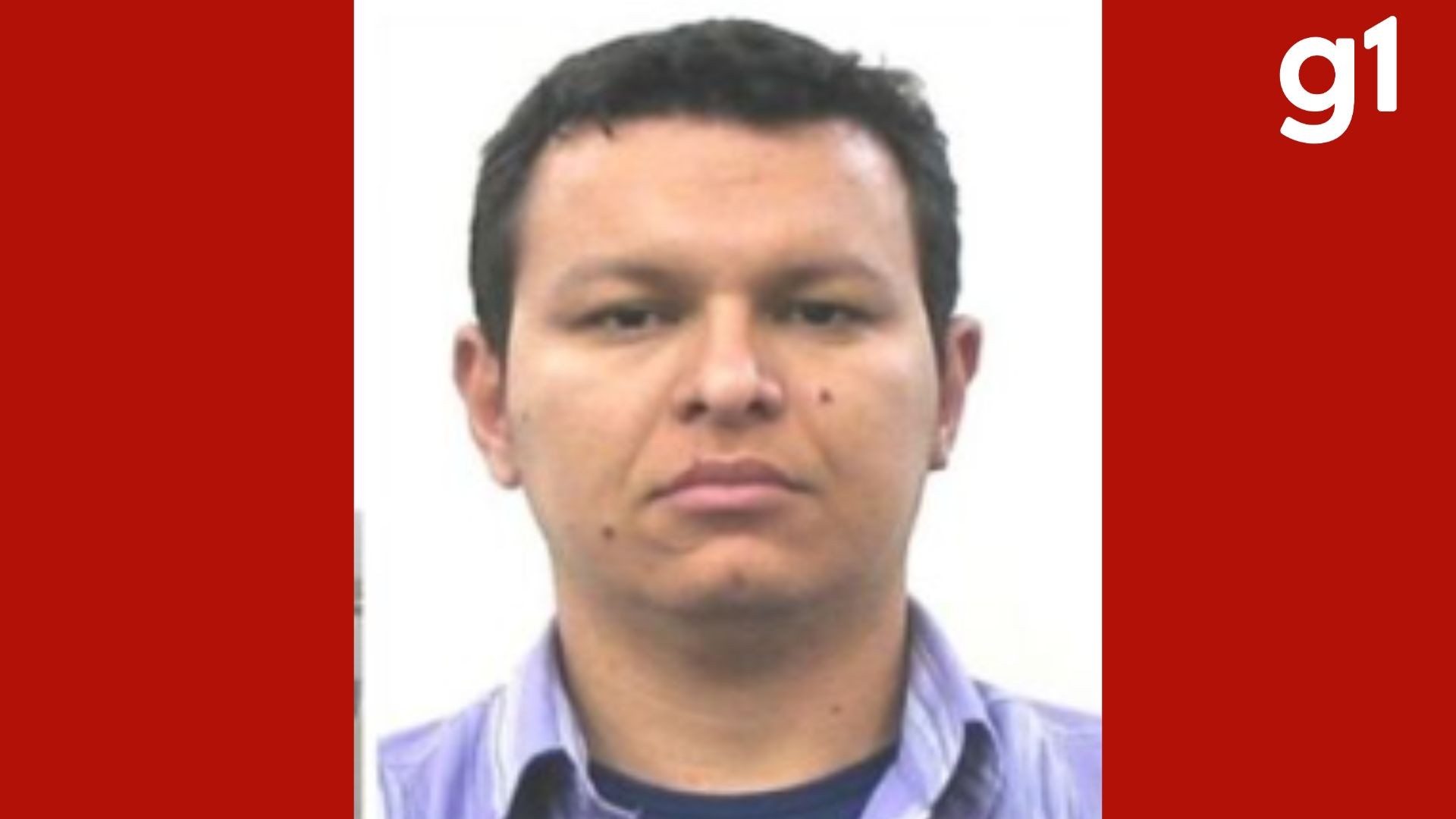
Court orders removal of MT civil police officer convicted of raping colleague on work trip
⚡ Quick Summary
The Mato Grosso Court ordered the dismissal of civil police officer Jeovanio Vidal Gribiel after being sentenced to eight years in prison for rape and vulnerability against a co-worker in 2022.
The Mato Grosso Court ordered the dismissal of civil police officer Jeovanio Vidal Gribiel after being sentenced to eight years in prison for rape and vulnerability against a co-worker in 2022.
Reproduction
The Mato Grosso Court ordered the dismissal of civil police officer Jeovanio Vidal Gribiel after being sentenced to eight years in prison for rape and vulnerability against a co-worker in 2022. Judge Henriqueta Fernanda Lima's decision was signed last Thursday (11).
To g1, the Civil Police stated that "it has already adopted all appropriate measures to comply with the court decision that determined the application of precautionary measures decreed." g1 tries to locate Jeovanio's defense.
The crime occurred in November 2022. in Goiânia, during a work trip. According to the lawsuit, the police officer allegedly put a substance in his colleague's drink and carried out the abuse while she was under the influence of the drug and unable to react.
✅ Click here to follow the g1 MT channel on WhatsApp
Now on g1
In testimony, the victim reported that she woke up during the abuse and asked the police officer more than once to stop. Still, according to the report, he continued with the attacks.
In addition to the conviction, the court ordered a series of measures to protect the victim and avoid any contact with the police officer. The decisions were established after analyzing the case and come into effect immediately.
Among the measures determined are:
immediate removal of the police officer from his duties, especially operational activities;
prohibition of any contact with the victim, directly or indirectly, including through third parties;
prohibition of approaching the victim, maintaining a minimum distance of 500 meters from the residence, workplace and other places frequented by the victim;
impediment of functional coexistence between the two, with the relocation or removal of the police officer from any environment that allows contact, even if indirect;
suspension of weapon possession and immediate collection of functional weapons;
prohibition of accessing personal, functional data or victim information in institutional systems and police databases;
fine of R$3,000 for each non-compliance with the measures, without prejudice to the order of preventive detention;
funding of specialized psychological support for the victim, aimed at treating the emotional consequences caused by the case.
In the decision, the Court also highlighted the need to guarantee the safety of the victim and prevent any situation that could result in intimidation, embarrassment or revictimization during compliance with the measures.
Criminal record
The civil police officer is also being investigated for the death of João Antônio Pinto, aged 87, which occurred on February 23, 2024, in the Contorno Leste region, in Cuiabá. The elderly man died during a police raid that involved officers from the corporation. João was the alleged owner of land that had been occupied by invaders in 2023.
In 2024, the responsible police officer understood that there was self-defense and did not indict the police officer under investigation. The Public Ministry of Mato Grosso (MPMT), however, disagreed with the conclusion and asked for the investigations to continue. According to the agency, there were still pending steps considered important to clarify the facts.
The process has been carried out in secret since January 2025.
🚨How to ask for help?
'SOS Mulher MT' application interface
Reproduction
The 'SOS Mulher MT' application is one of the alternatives created to help victims of domestic violence in Mato Grosso. The application has a panic button, through which the victim can make a request for help when the attacker fails to comply with the protective measure.
The virtual Panic Button is available, for now, in the cities of Cuiabá, Várzea Grande, Cáceres and Rondonópolis. In other municipalities in the state, the platform can be accessed for other functions, such as directing online protective measures, emergency telephone numbers, addresses of Women's Police Stations, 24-hour duty, reports of domestic violence and also access to the Virtual Police Station to register incidents.
What is the Maria da Penha Law
The Maria da Penha Law was sanctioned on August 7, 2006 with the aim of creating mechanisms to prevent and stop domestic and family violence against women. According to the Law, domestic violence against women involves any action based on gender, that is, a woman suffers some type of violence just because she is a woman.
The Maria da Penha Institute points out that this violence can be of the following types:
Physical violence: any action that offends the integrity or bodily health of a woman. Examples: beatings, strangulation, cuts, shaking, among others;
Psychological violence: any action that causes emotional harm and reduced self-esteem; harm and disrupt a woman's development or attempt to degrade and control her actions, behaviors, beliefs and decisions. Examples: threat, humiliation, manipulation, isolation, constant surveillance, persecution, among others;
Sexual violence: any action that forces the victim to witness, maintain or participate in unwanted sexual intercourse. Examples: rape, preventing the use of contraceptives, forcing prostitution, among others;
Property violence: any action that involves the retention or destruction of objects, work instruments, documents, assets and valuables of the victim. Examples: control of money, destruction of documents, embezzlement, failure to pay child support, among others;
Moral violence: any action that constitutes slander, defamation and insult. Examples: accusing the woman of cheating, exposing the intimate life, devaluing the victim due to the way she dresses, among others;
What is a protective measure?
Protective measures are court orders that seek to protect people who are at risk, danger or vulnerability. There are two types: those aimed at the aggressor, to prevent him from approaching the victim; and those aimed at the victim, to guarantee their safety and the protection of their assets and their family.
Who can request?
Any woman experiencing domestic and family violence, regardless of the type of threat, injury or omission.
How to request protective measure?
The request for a protective measure can be made at police stations, Public Prosecutor's Offices or the Public Defender's Office. The woman does not need to be accompanied by a lawyer to make the request.
🗞️ 1 sources covered this story

📰 Related Articles
Footprints on the road are investigated in the search for a baby who disappeared on a farm in Goiás; video
G1 Globo/https://i.s3.glbimg.com/v1/AUTH_59edd422c0c84a879bd37670ae4f538a/internal_photos/bs/2026/h/3/XRfM1kQCqOYTKYCAxIxw/globo-canal-4-20260422-2000-frame-69537.jpeg)
TCU's technical area must reject the Court's jurisdiction to analyze loan to save BRB
G1 Globo
Stellantis tests Factorial solid batteries on the road
Observador/https://i.s3.glbimg.com/v1/AUTH_59edd422c0c84a879bd37670ae4f538a/internal_photos/bs/2026/M/g/ebzYnmSIAUYtLW1rAbgw/sem-titulo-1.jpg)
Man arrested after demanding money to let woman leave home in Natal
G1 Globo
Ricardo Couto announces goal to eliminate the deficit and criticizes the influence of deputies on secretariats
G1 Globo