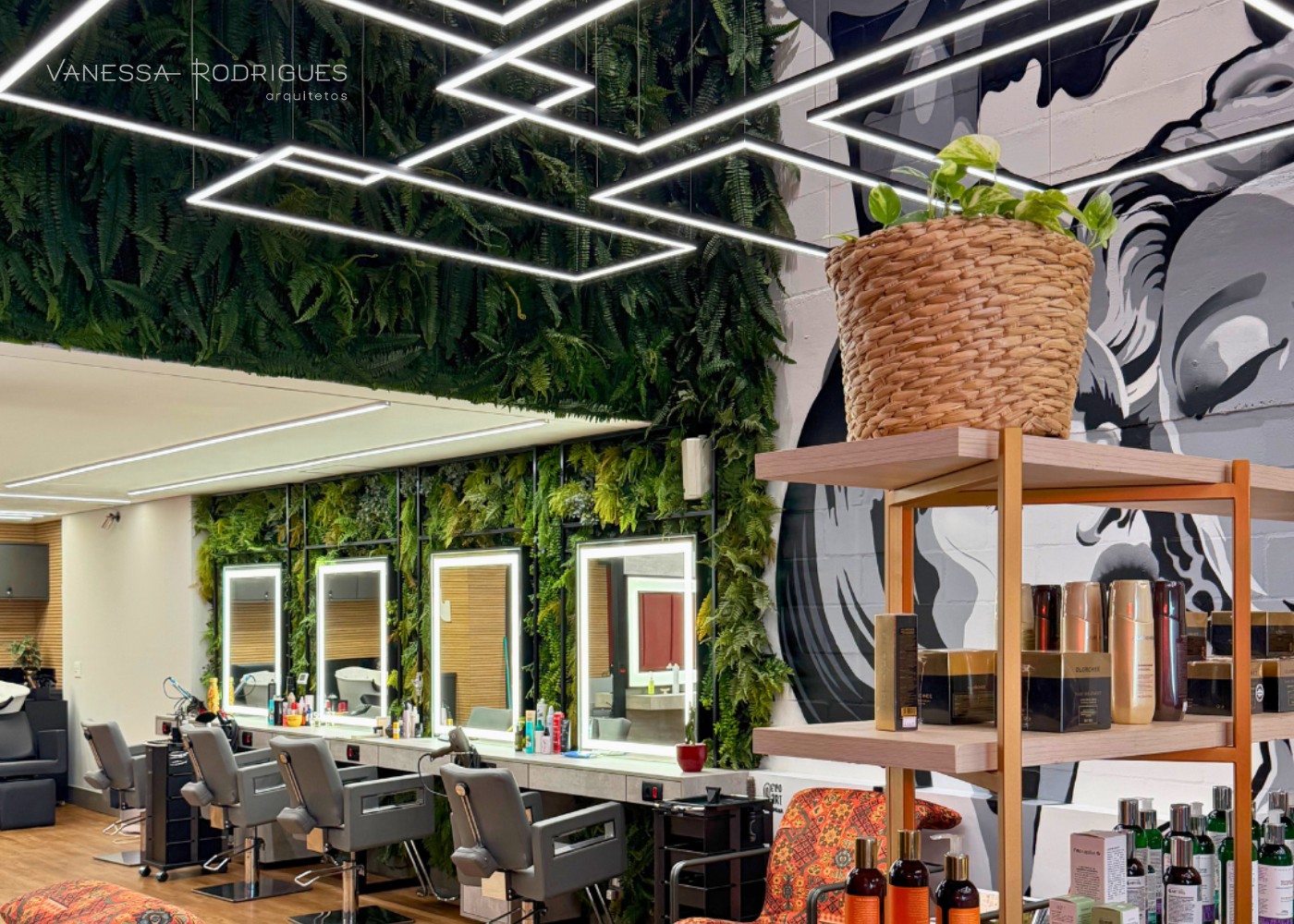
Strategic architecture: when space becomes part of the business
⚡ Quick Summary
For a long time, architecture was seen only as an aesthetic element within companies. Today, this scenario has changed.
For a long time, architecture was seen only as an aesthetic element within companies. Today, this scenario has changed. More and more businesses understand that physical space also influences productivity, operations, perception of value and growth.
More than designing beautiful environments, strategic architecture seeks to create spaces that work intelligently for those who use them, considering flow, comfort, efficiency and business identity.
Over more than three decades of experience, I developed my professional career with this perspective: understanding architecture as a tool capable of contributing directly to a company's results.
Operation-aligned architecture
Each business has specific needs. A corporate office demands organization and integration between teams. An industrial environment requires functionality, efficient logistics and technical decisions that directly impact the operational routine.
When the project is developed without considering these demands, problems quickly appear: inadequate circulation, wasted space, discomfort and limitations that affect the company's day-to-day performance.
Therefore, the architecture needs to be born aligned with the reality of the operation. Layout, lighting, materials and flows must be thought of in an integrated way, seeking efficiency and long-term durability.
Planning that reduces improvisations
One of the biggest challenges in corporate and industrial works is the lack of planning. Poorly defined projects tend to generate constant changes, delays and extra costs throughout execution.
Following construction projects since the beginning of my career, I understood that predictability is one of the most important factors within any project. When there is alignment between concept, feasibility and execution, the process becomes safer and more efficient.
Today, in addition to complete projects, our office also works with coordination and construction management, allowing us to monitor each stage with more precision. This model guarantees greater control over deadlines, costs and quality, reducing improvisations and providing greater peace of mind for the customer.
Much more than aesthetics
Strategic architecture is not limited to the appearance of the environment. It directly influences the way a company is perceived by customers, partners and employees.
A well-designed space conveys organization, professionalism and credibility. Furthermore, intelligently planned environments contribute to the well-being of teams, improving comfort, productivity and day-to-day experience.
More than following passing trends, we believe in consistent solutions, capable of remaining relevant over time and generating real value for the business.
Because when space is designed strategically, architecture stops being just a cost and becomes an investment.
Investment in efficiency, image, performance and growth.
And, in the end, it is these decisions that go beyond the physical environment and impact what really matters: the people, their stories and the families behind each company.
And you, have you ever stopped to think about whether your company’s space is helping your business grow?
Vanessa Rodrigues
📰 Related Articles

G1 Globo
In Rio, Zema minimizes Eduardo Bolsonaro's speech about breaking with the Novo and reaffirms criticism of Flávio
G1 Globo
G1 Globo

Two children are rescued in serious condition after an accident on the São Miguel Arcanjo highway
G1 GloboUberlândia hosts event on AI and future technologies on Saturday (20)
Paranaíba Mais