


Is the war over? Will the Strait of Hormuz reopen? What is known about the agreement between the US and Iran
⚡ Quick Summary
US and Iran sign pre-agreement to end the war, says agency The United States and Iran announced over the weekend that they had reached an agreement to end the war they have been waging for more than three months in the Middle East.
US and Iran sign pre-agreement to end the war, says agency
The United States and Iran announced over the weekend that they had reached an agreement to end the war they have been waging for more than three months in the Middle East.
✅ Follow the g1 international news channel on WhatsApp
But the announcement does not mean an automatic end to the conflict. On the contrary: there are still some steps until the complete outcome, doubts about the Strait of Hormuz and, above all, conflicting information from both sides.
See below what is already known and what still needs to be clarified about the agreement:
Is this the end of the war?
This is the ultimate intention of the agreement, according to both parties, but no, the war is not over yet. The agreement initially provides for a ceasefire — that is, a truce in the attacks, not a definitive end to them.
This ceasefire would last while the two parties discuss the key point of the negotiations, which is still open: the future of Iran's nuclear program. The agreement, according to Tehran, provides that negotiators on both sides will reach a consensus within a period of up to 60 days.
Then, yes, the war would end, if everything goes according to plan.
But the topic is thorny, and, therefore, where the US and Iran are further from a consensus. The Trump administration wants Iran to completely end its nuclear program, which Washington says serves to create nuclear weapons — this was, in fact, Trump's main argument for attacking Iran on February 28, starting the war.
Tehran, however, denies this and says the program is used exclusively for civilian purposes.
When was the agreement signed? And by whom?
Announced on Sunday (14), the peace agreement was signed by US President Donald Trump, his deputy, J.D. Vance, and the President of Iran's Parliament, Mohammad Ghalibaf), who received authorization from the Iranian Supreme Leader for signing. Ghalibaf is also the head of Iran's negotiating delegation and one of the central figures in the country's politics.
The signing, however, was done virtually, according to the US government. The two countries will also sign the agreement in person at a ceremony scheduled for Friday (19) in Geneva, Switzerland.
Only then, for Iran, will there actually be an agreement — for now, Tehran calls the virtually signed text a memorandum of understanding.
When does the agreement come into effect?
In practical terms, the agreement is already valid — this Monday, in fact, the conflicts in Lebanon, which is part of the agreement, decreased, according to authorities.
Iran, however, has not made it clear whether the terms have yet come into force. Hezbollah, the terrorist group against which Israel is fighting on Lebanese territory, said on Monday that Tehran asked to postpone the signing of the agreement, which would take place this weekend, until Friday in order to observe whether the rivals would comply with the terms throughout the week.
The official implementation of all technical and legal considerations will also be valid after the in-person signature on Friday.
What are the terms of the agreement?
Iran announces demands in memorandum of understanding with US; see list
Officially, the points of the agreement were not disclosed. Donald Trump said that the full text should be made public after the in-person signing ceremony of the agreement, on Friday (19).
But Iranian state media published some excerpts of the text that Tehran says were its demands accepted by Washington.
Among them are:
A mutual non-aggression pact involving all parties, including Israel and Lebanon;
The reopening and free transit of commercial maritime routes in the Middle East;
Discussions of compensation to Iran for war damages;
The gradual lifting of financial sanctions and the withdrawal of US combat forces from the region. What is the Strait of Hormuz like?
Europe celebrates agreement between US and Iran, but warns about nuclear weapons
Reproduction/TV Globo
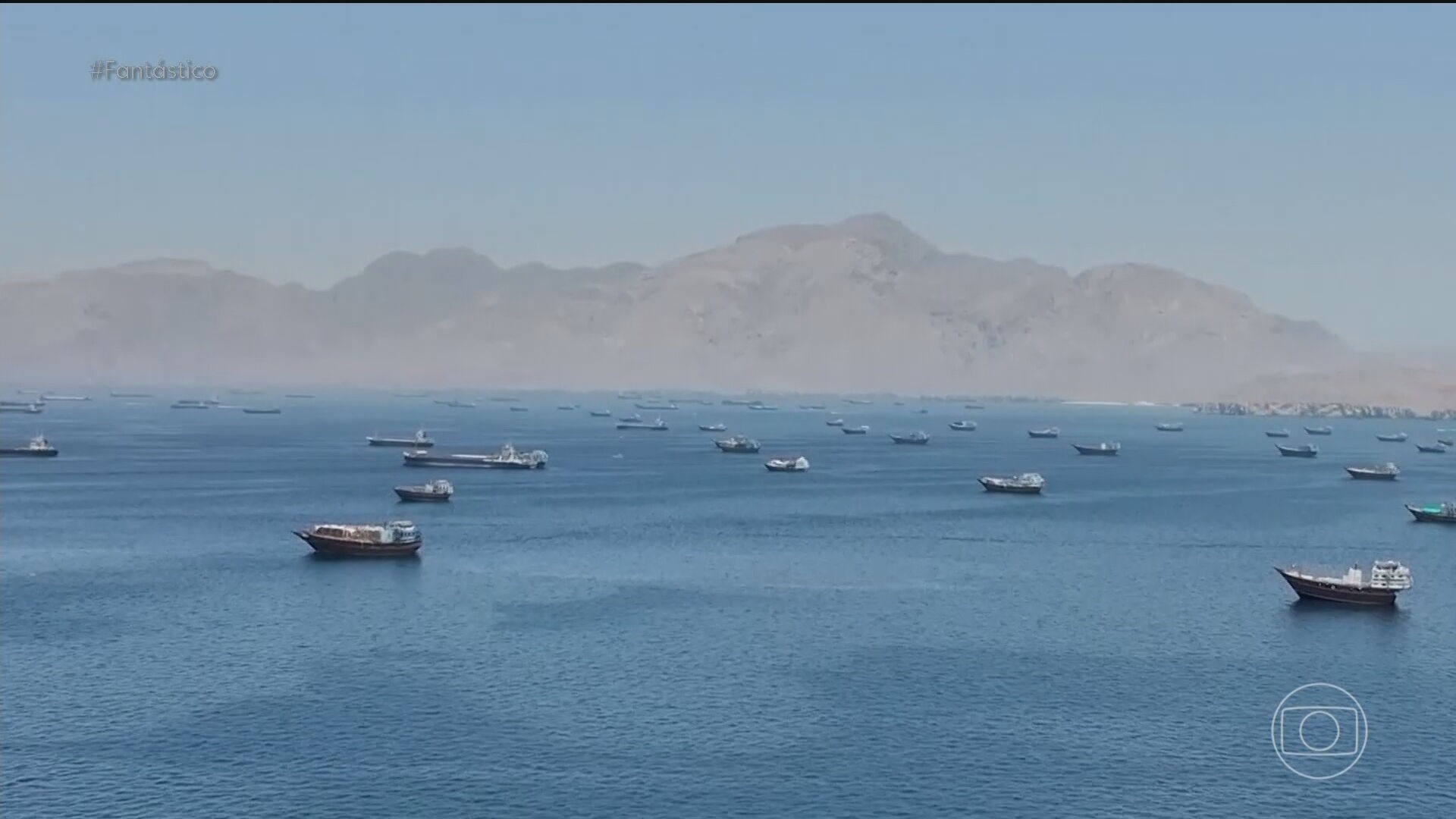
At this point, both sides said that the Strait of Hormuz, which has become a major flashpoint in the war, will be reopened immediately. Likewise, Donald Trump stated that he had already ordered the lifting of the naval blockade that US Navy ships place at the entrance to the strait, preventing the passage of ships that trade with Iranian ports in the region.
But the consensus ends there: this Monday (17), Trump even said that ship traffic in the canal had already started to move after the announcement. But Iran, which in practice controls the movement of ships in Hormuz, did not confirm.
In addition, Iran's Ministry of Defense also announced that it will start charging a "service fee" to ships crossing the strait, despite Donald Trump having stated that the agreement prohibits the introduction of a toll on local vessel traffic.
How is uranium enrichment in Iran?
An outcome on this point has been postponed and will be debated during the ceasefire, within the scope of the nuclear program. Interlocutors told news agencies that both parties used this resource to be able to announce the end of the war now.
Washington wants the total dismantling of uranium enrichment — a procedure used to create nuclear materials. Trump said his team of negotiators has demanded that an independent team go into Iran and excavate all the nuclear material and ship the uranium already enriched in Iran out of the country, possibly to Russia, which has already offered to receive the material.
But Tehran, for the moment, is opposed.
What are the sanctions on Iran?
The US agreed to relax and ease economic sanctions, but gradually and conditioned on compliance with the agreement.
Tehran's objective is to be able to reestablish oil exports, currently prohibited by Western sanctions, to recover its economy severely damaged by more than three months of conflict.
How is the conflict in Lebanon?
This is one of the points where there is least consensus, at least between Israel and the other parties.
The official announcement of the agreement by Pakistani Prime Minister Shehbaz Sharif highlighted that the permanent end of military operations includes the front in Lebanon.
The end of Israel's attacks on Lebanese territory is even a direct demand from Tehran to sign the agreement. This is because Iran is an ally and finances Hezbollah, the target of Israel's attacks in Lebanon. The terrorist group attacked Israeli territory days after the start of the conflict, when the US and Israel bombed Iran.
This Monday, Benjamin Netanyahu even said that his troops will remain in "security zones", spaces occupied by Israel within Israeli territory "until necessary".
Now on g1
🗞️ 4 sources covered this story

Judge will hear MP about Ciro Gomes' conduct after conviction for gender-based political violence
CartaCapital
Moon in the Astral Chart: see what the star reveals about your sign
CartaCapital
If Hormuz reopens, ships will still have to worry about naval mines
CNN Brasil
See what Trump said about the Strait of Hormuz and the Iran deal
CNN Brasil📰 Related Articles
Analysis: Test of Trump's Iran deal depends on ending attacks
CNN Brasil
Analândia: where nature inspires the future and history strengthens its roots
G1 Globo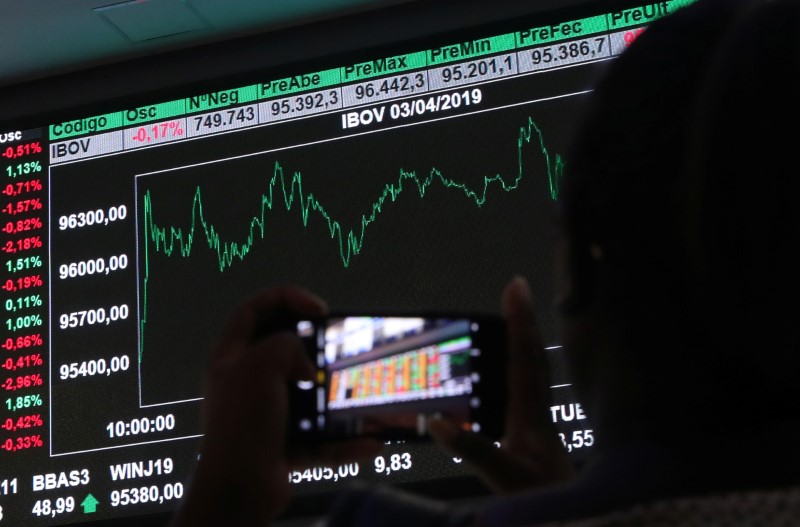
Global stock markets rise and oil plummets after agreement between US and Iran
CNN Brasil
VIDEO: Suspect jumps from moving car that was on fire during police chase in Paraná
G1 Globo
Peace agreement with US exposes internal war in Iran regime
Observador