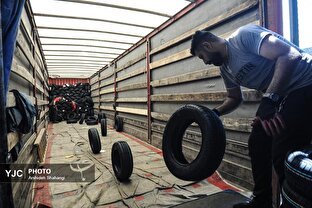
The efforts of workers for the sustainability of tire production in the country
⚡ Quick Summary
National production is considered one of the most important pillars of the country's economic power and plays an essential role in providing domestic needs, creating employment and increasing economic resilience.
National production is considered one of the most important pillars of the country's economic power and plays an essential role in providing domestic needs, creating employment and increasing economic resilience. The more domestic production capacity is strengthened, the country's economy will be more stable and able to respond to the needs of the society against external pressures, sanctions and economic crises. Therefore, supporting domestic industries and the continuity of production units is considered a key strategy in economic development. During the recent war and the special conditions prevailing in the country, the importance of the continuity of production activity became more apparent. In such a situation, stopping production can disrupt the supply chain of goods and services and have a wide impact on the market and people's lives. For this reason, workers, specialists and industrial managers, with a sense of national responsibility, tried to continue production without interruption and meet the needs of the country. This collective effort shows the important position of human power in maintaining the stability of the country's economy. In the meantime, the Foundation of the Underprivileged of the Islamic Revolution, as one of the largest economic groups in the country, has prioritized supporting the production and development of industrial capacities. This institution does not consider production as an economic activity, but considers it a tool to create employment, strengthen the national economy and serve the society. Based on this, the industrial units affiliated to this group have continued their activities even in difficult conditions in order to prevent shortages in the market. In this context, Iran Tire Company, as one of the industrial units affiliated to the Mustafafan Foundation, by relying on the efforts of its workers and specialist forces, was able to maintain the production process in critical conditions and play a role in providing part of the country's needs. Employment costs money. This approach has made production support, in addition to economic effects, to help social development and improve the conditions of less privileged areas.
🗞️ 1 sources covered this story
📰 Related Articles
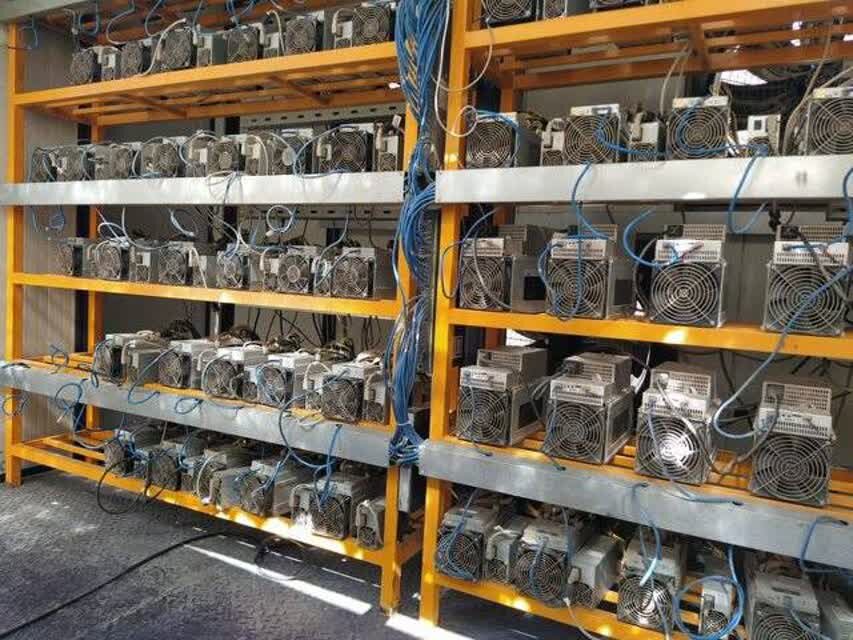
Discovery of 20 centers and 329 illegal mining devices in Shiraz
ISNA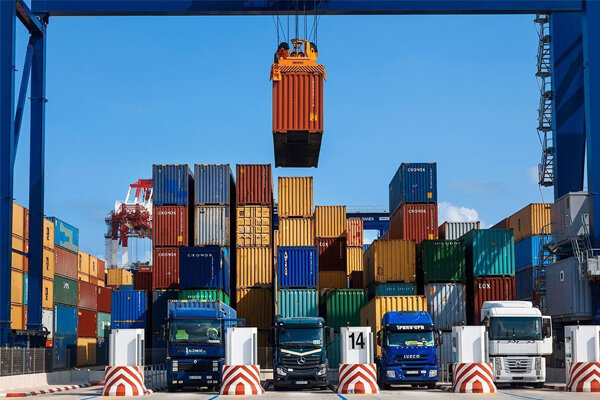
Export of 334 million dollars from East Azerbaijan customs
Mehr News
Governor of Rasht: The sustainability of production units requires renovation and development of the market
ISNA
Recruiting human resources in Ahvaz municipality is prohibited without the council's permission
IRNA
Discovery of 23 kilograms of opium in Qom
ISNA