'Holland B'? Only one player from Curaçao, a World Cup debutant, was not born in the European country; understand
⚡ Quick Summary
Curacao national team Reproduction The Curaçao team, the smallest country in the 2026 World Cup, drew attention due to a curious detail in its squad: among the 26 players, only one of them was born on the Caribbean island and the rest in the Netherlands.
Curacao national team
Reproduction
The Curaçao team, the smallest country in the 2026 World Cup, drew attention due to a curious detail in its squad: among the 26 players, only one of them was born on the Caribbean island and the rest in the Netherlands.
This statistic means that the country has the most players born outside its territory in this World Cup.
✅ Follow the g1 international news channel on WhatsApp
Interestingly, the team's "star" is the only one who was born in Curaçao: striker Tahith Chong, born in the capital Willemstad. Even so, like his other 25 teammates, Chong also had his training in European football. Would the Curaçao team be a "Holland B" team?
This reality led midfielder Livano Comenencia, another of the country's stars, to guarantee that the country could be a surprise in this World Cup:
"We were trained playing the Dutch way and we have a lot of quality and excellent technique. We are going to surprise a lot of people," he said in an interview with FIFA.
Now on g1
Netherlands and Curaçao: linked by History
The peculiarity of the Curacao cast can be explained by History. The Caribbean country, which has just 160,000 inhabitants, was a Dutch colony for almost 400 years, between the 17th and 21st centuries, and is still part of the Kingdom of the Netherlands — which includes the Netherlands and the islands of Aruba, Curaçao and Saint Martin, all in the Caribbean.
Curaçao gained the status of an autonomous country — and not independent — only in 2010, with the dissolution of the Netherlands Antilles, and when it became part of the Dutch kingdom. With the arrangement, the island has its own government, parliament, laws and currency, but the Netherlands is still responsible for foreign policy and defense.
Mangrove Beach Corendon Resort, Curacao
Reproduction
Additionally, everyone born in Curaçao gets a Dutch passport. Even so, the fact that 25 of the Curacao players were born in different Dutch cities indicates that a migratory movement towards the former colonizer has occurred since the end of mercantilism and the logic of colonies.
The return path of these players towards the Curacao national team, however, may have varied, because in football there are a series of reasons —in addition to ancestry— why an athlete may choose to represent a team other than that of their country of birth:
greater ties with another country, due to parents or grandparents;
desire to play in a World Cup, given that for the Dutch team, in this case, the competition is very fierce;
flexibility between football federations, to capture these players with some connection with the country and, thus, expand their sporting potential.
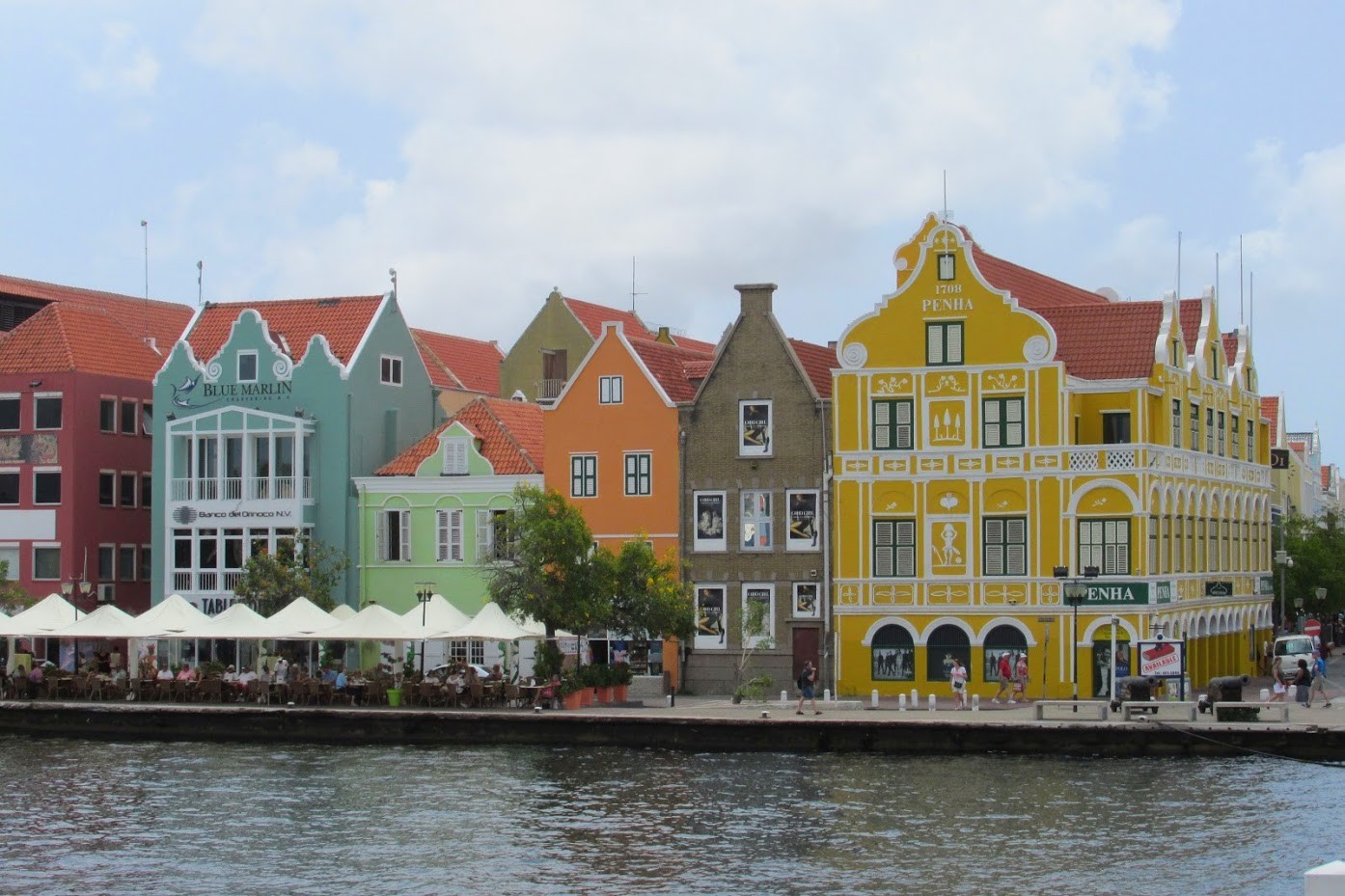
View of Willemstad, Curacao
Karina Trevizan/G1
🗞️ 4 sources covered this story

Australia and Scotland win on the third day of the World Cup; Brazil only draws
Agência Brasil
World Cup: How an entrepreneur can make real profit from the tournament
CNN Brasil
From 7-1 to renewal: remember Germany's journey to the World Cup
jovempan.com.brHaiti 0 x 1 Scotland: see the best moments from the World Cup game
CNN Brasil📰 Related Articles
Brazil x Morocco: ‘The draw makes us happier’
CartaCapitalGerson “Canhotinha” blasts Ancelotti’s choices: “Trainer”
CNN Brasil
Pitbull is captured by firefighters after attacking stray dog in Caraguatatuba
G1 Globo
Bruna Biancardi posts cute moments of Neymar's children making their World Cup debut
CNN Brasil
Scotland beats Haiti and becomes leader of Brazil's group at the World Cup
Agência Brasil