


US and Iran must sign peace deal within 24 hours, Pakistan says
⚡ Quick Summary
This Saturday morning (13), Pakistani Prime Minister Shehbaz Sharif said that the United States and Iran have agreed to terms for a peace deal that would end the months-long conflict in the Middle East.
This Saturday morning (13), Pakistani Prime Minister Shehbaz Sharif said that the United States and Iran have agreed to terms for a peace deal that would end the months-long conflict in the Middle East.
Pakistan is now preparing for an electronic signature expected within the next 24 hours, followed by technical-level negotiations next week, Sharif added.
The prospect of an end to the war gained strength after US President Donald Trump announced on Thursday (11) that negotiators had reached a consensus. Iran first claimed that nothing was finalized yet, but changed its tone hours later: the Iranian foreign minister said that a peace deal had "never been closer."
✅ Follow the g1 international news channel on WhatsApp
Points of the agreement
Neither party officially disclosed the content of the new agreement. However, the North American and Iranian press published some points based on sources from both governments.
The CNN International TV network stated, based on sources within the Iranian regime, that the memo provides that:
There is a new 60-day ceasefire on 'all fronts', including Lebanon;
The Strait of Hormuz be reopened immediately. Iran does not charge vessel fees, and local traffic returns to pre-war levels within 30 days;
The US also lifts the naval blockade at the entrance to Hormuz;
Sanctions on Iran are progressively relaxed;
Iran commits not to obtain a nuclear weapon.
Reuters news agency heard from a US government source that the agreement provides that:
The Strait of Hormuz will reopen;
Iran's nuclear program will be dismantled;
Iran will not receive money from its sanctions-frozen assets until it fulfills its side of the agreement.
The Iranian state press announced this Friday (12) that Tehran will not give up control of the Strait of Hormuz and the right to enrich uranium. Iranian news agency Mehr says the memorandum of understanding should:
Lift US sanctions against Iran;
Withdraw US military forces from the vicinity of the country;
Lift the naval blockade of Iranian ports, with reopening of the Strait of Hormuz;
Halt hostilities on all fronts of the war, including Lebanon.
Trump criticizes Iran
This Friday morning, the US president went so far as to say that the details of the agreement published by the US press are false and criticized Iran for passing information to media outlets. Trump also called Iran's leaders "very dishonorable people to deal with."
"With them, there is no negotiation in good faith. INCREDIBLE! They better get organized, and FAST!", Trump wrote on his social network Truth Social.
Hours later, however, Trump reposted a message from Iranian Foreign Minister Abás Araqchi. In the text, Araqchi states that an agreement between his country and the United States "has never been so close."
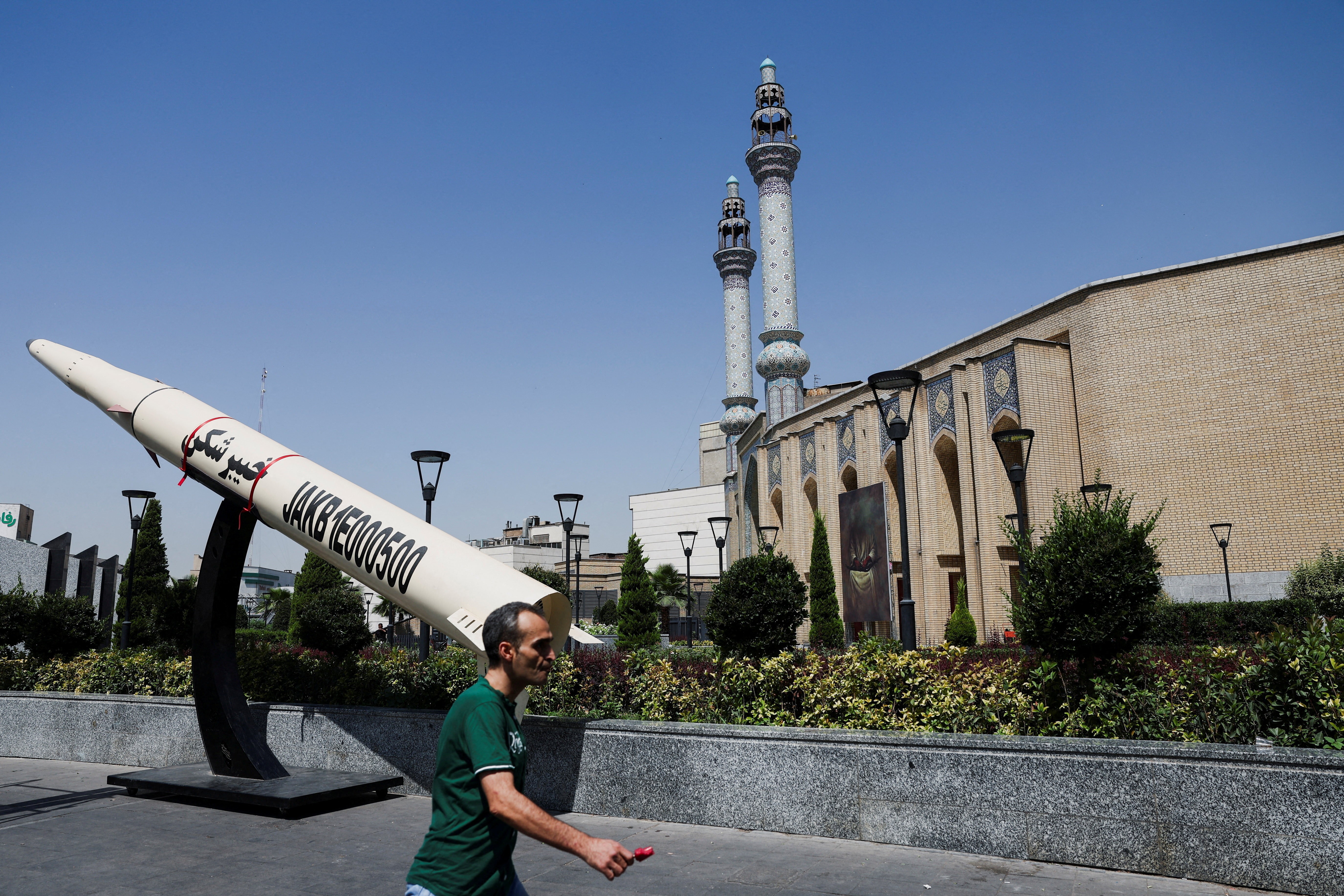
"A man walks next to a symbolic model of an Iranian missile, on a street in Tehran.
Majid Asgaripour/WANA via Reuters
Agreement after bombs
The proximity of an agreement between the two countries was announced by Trump himself on Thursday (11).
After announcing a third night of attacks and saying he intended to control Iran's oil and gas, Trump called off the offensive and said negotiators had reached a consensus on "final points" of the peace proposal.
The American president also said that a definitive agreement with Tehran "may be signed over the weekend." The signing would take place in Europe and would be attended by his vice president, JD Vance, according to Trump.
Trump said the "memorandum of understanding" has already been approved "by everyone in Iran," including the country's supreme leader, and that it is a great deal, "because Iran will never have a nuclear weapon."
Minutes after Trump's speech, however, Iran stated that the country had not yet approved any agreement. "No text for the initial memorandum of understanding with the United States has been approved," state news agency Fars said.
New attacks
US and Iran resume attacks in Persian Gulf
The indications of an agreement come after the United States and Iran returned to exchanging attacks, even under a ceasefire.
The new escalation began after the crash of a US military helicopter during a flight over the Strait of Hormuz region. After the episode, Trump accused Iran of having attacked the aircraft and said he would have to fight back.
On the same night, the US bombed defense systems on Iranian territory and radars in Hormuz. Iran responded with attacks on a US base in Bahrain. On Wednesday (10), the USA carried out a new attack, responded by Tehran with missiles launched again at countries in the Persian Gulf.
Iran announced the closure of the Strait of Hormuz and said the escalation had further complicated talks for a peace deal, as well as rendering the ceasefire currently in effect "meaningless."
Now on g1
🗞️ 4 sources covered this story

Agreement between US and Iran can be signed within 24 hours, says Pakistan
CNN Brasil
Agreement between US and Iran could be signed this weekend; understand
CNN Brasil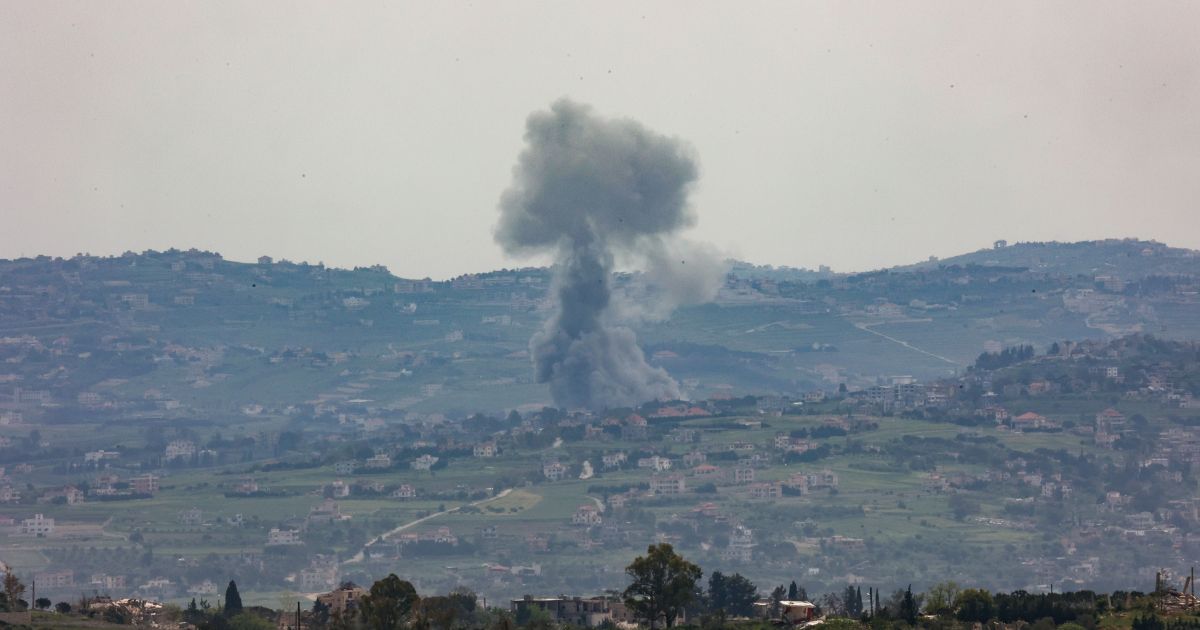
Israel says it will not back down in Lebanon amid possible US-Iran deal
CNN Brasil
Memorandum with US could be signed remotely in the next few days, says Iran
CNN Brasil📰 Related Articles
Iran's banks were targets of possible cyber attack, says local media
CNN Brasil
E-commerce delivery man has car stolen during work, but vehicle and cargo are recovered in Limeira
G1 Globo
Terceiro suspeito de envolvimento na morte de empresário é preso em Imperatriz
G1 Globo
Agreement between US and Iran can be signed within 24 hours, says Pakistan
CNN Brasil
Former delivery man who left his job to become a 'celebrity barber' dreams of meeting Neymar
G1 Globo