


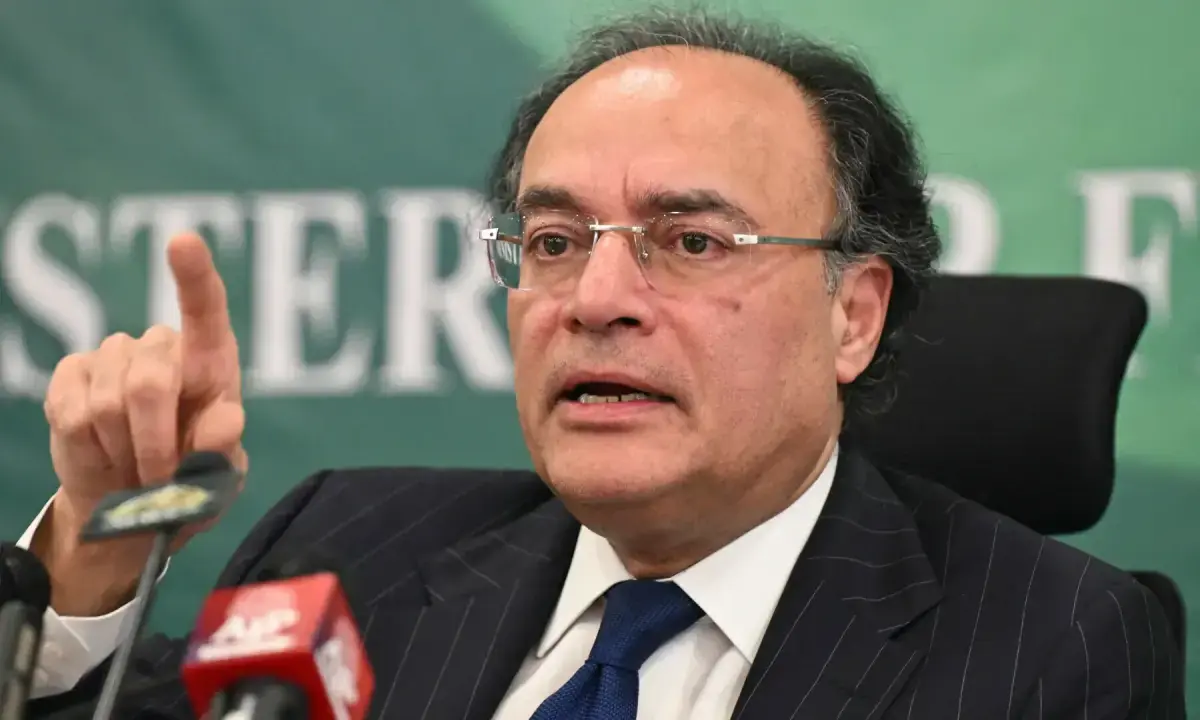
Finance minister addresses post-budget press conference
⚡ Quick Summary
Finance Minister Muhammad Aurangzeb is currently addressing a press conference to provide further details about the proposed budget for FY26-27.
Finance Minister Muhammad Aurangzeb is currently addressing a press conference to provide further details about the proposed budget for FY26-27.
“In this budget, we have made significant progress in that direction of travel [towards economic growth] that we spoke earlier about,” he said at the outset of his media briefing in Islamabad.
The minister affirmed that the government has “made comprehensive efforts to create an enabling environment” for an export-led growth, recalling the abolishment of an advance tax.
He stressed the decision to abolish the super tax for businesses earning more than Rs500 million, terming it a “very meaningful direction of travel”.
However, upon the directives of Prime Minister Shehbaz Sharif, the minister said he proposed the abolishment of the super tax for “all exporters”.
At the same time, Aurangzeb noted the matter also pertained to “financing rather than just taxation”. He added that an additional subsidy of Rs70 billion has been proposed in the budget to take the ongoing refinancing scheme “to a different level”.
On Friday, he presented the financial plan before the National Assembly, announcing a three-year freeze on provincial transfers as the government reallocated resources for security needs and relief measures for the salaried, corporate, real estate and export sectors to revive struggling economic activity.
In his third budget — and the fifth of the major coalition partners — the minister has proposed taxes on social media earnings, a fixed tax scheme for small traders and shopkeepers, a higher minimum tax rate for wholesalers and retailers, incentives for small electric vehicles and bikes, and barriers for luxury e-vehicles.
More to follow
📰 Related Articles
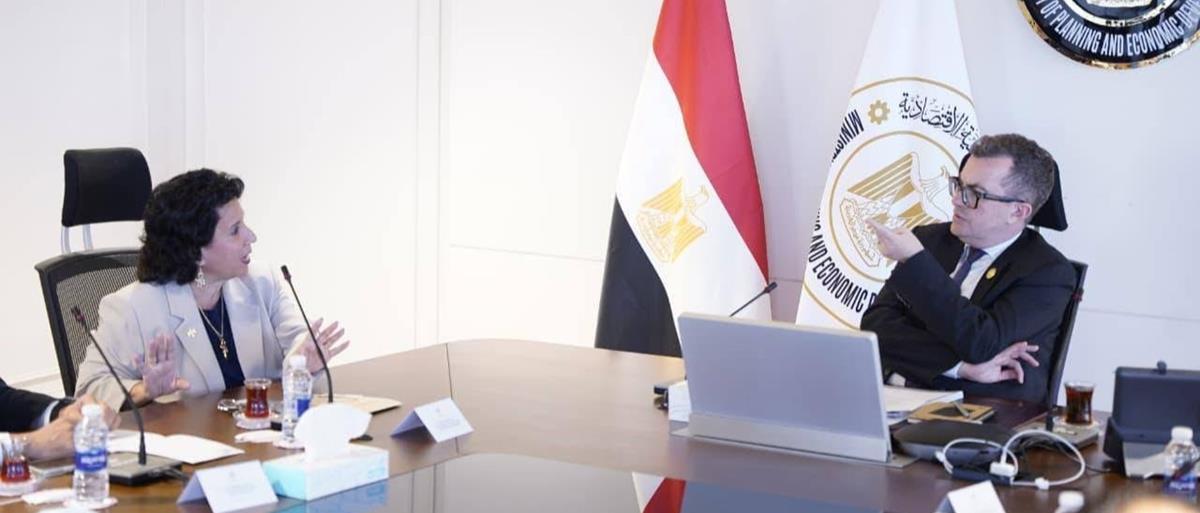
Planning minister: Investing in human capital key to enhancing gov’t performance
Egypt Independent
LaLiga: Modric set for Real Madrid return
Daily Post Nigeria
Finance minister touts proposed FY27 budget as 'significant progress' in path to economic growth
Dawn Pakistan
NCAA Championships: Ogazi shatters records, Ajayi strikes gold as Nigerians shine in Eugene
Premium Times
Ajayi, Ogazi win NCAA titles
Punch Nigeria