


US player is the first Harvard graduate to participate in a World Cup; remember other graduates
⚡ Quick Summary
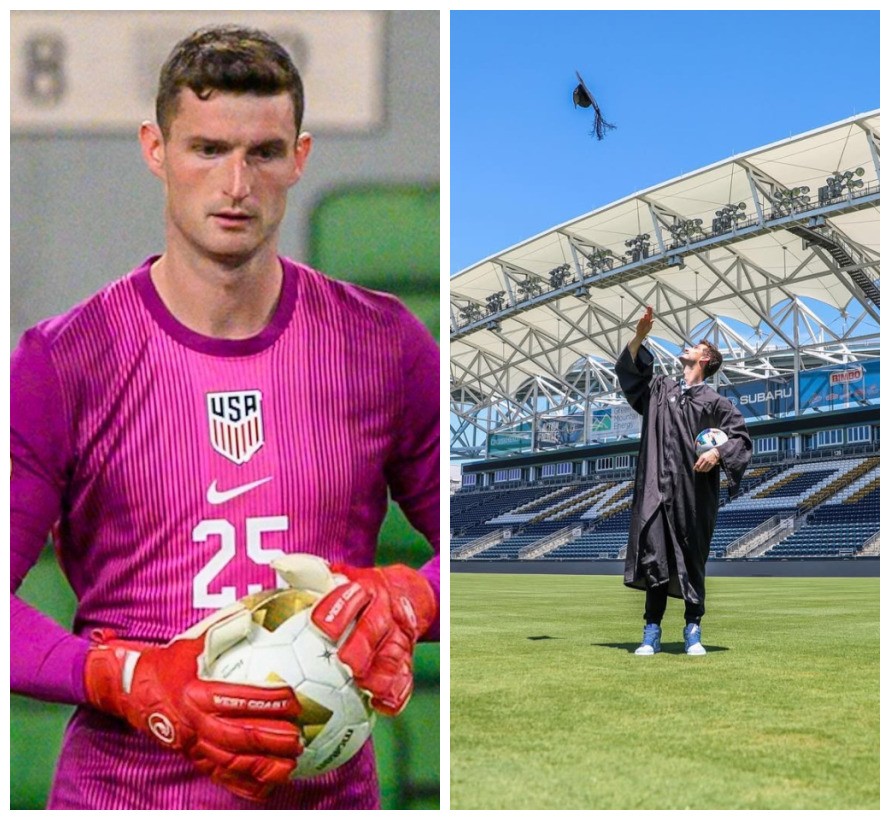
Matt Freese playing for the US national team, left, and at Harvard graduation, right. Reproduction The United States team debuted on Friday night (12) at the 2026 World Cup and had a literally graduated defense.
Matt Freese playing for the US national team, left, and at Harvard graduation, right.
Reproduction
The United States team debuted on Friday night (12) at the 2026 World Cup and had a literally graduated defense.
This is because goalkeeper Matt Freese, one of the starters in the match, is the first player graduated from Harvard University to participate in the competition.
He entered university in 2016 to study economics, following in the footsteps of his father, neurosurgeon Andrew Freese, and his two brothers, all Harvard graduates.
In 2018, he had to interrupt his studies to sign with the American Football League, but in 2022, during the pandemic and with the university's online classes, he completed the course and managed to graduate.
But the American goalkeeper is not the only one who played in a World Cup and also graduated from higher education. In the past, names like Sócrates and Tostão accumulated numbers in football and good grades in college.
SEE ALSO:
What Brazilians need to know before going to the World Cup
Below, remember stars with degrees from major universities around the world:
Yuto Nagatomo
Yuto Nagatomo in a 2018 World Cup game.
Wikimedia Commons
Defender Yuto Nagatomo is another player who will participate in the 2026 World Cup and who has a university education.
"The veteran is about to make history as the first Japanese player to participate in five editions of the FIFA World Cup", recalls FIFA
He began his career as a student-athlete at the prestigious Meiji University in Tokyo, where he majored in economics.
Socrates
Sócrates in action at the World Cup for the Brazilian team.
Presse Sports/Agif/Folhapress
One of the biggest names in Brazilian football in the 1980s, midfielder Sócrates graduated in medicine from the University of São Paulo while rising in the sport.
He participated in the world championships in 1982, in Spain, and 1986, in Mexico, and earned the nickname "Doctor Sócrates", precisely because of his academic title. A good organizer, he became one of the leaders of the Corinthian Democracy movement, with strong political activity.
penny
penny
Reproduction
Another historic name in Brazilian football, striker Tostão also graduated in medicine after his early retirement, aged just 26.
He was prominent in the 1970 World Cup, starting every match and scoring two goals.
His departure from football was motivated by a kick to the eye, which, even with some recovery attempts, could have left him blind. The injury was also what motivated his specialization in medicine: ophthalmology.
Steve Coppell
Steve Coppell in 2006.
Ashley Ledran/Wikimedia Commons
English winger Steve Coppell was another who combined sport with academic training. According to FIFA, he began his career in football "by combining his playing career at Tranmere Rovers, an English second division club, with a degree in economics at the University of Liverpool."
In 1975, he agreed to transfer to Manchester United, but only on the condition that he could complete his studies.
Despite having suffered a serious injury in preparation for the 1982 World Cup in Spain, he managed to be called up and participate in all the matches.
Jens Lehmann
Jens Lehmann at a charity game in 2019.
Sven Mandel/Wikimedia Commons
During his youth career, German goalkeeper Jens Lehmann studied economics at the University of Münster.
He was Oliver Kahn's reserve in 1998 and 2002. In 2006, he stood out at the World Cup in Germany, consulting a cola before penalties against Argentina, in the quarter-finals.
🗞️ 4 sources covered this story

Maurício, from Palmeiras, scores his first goal for Paraguay in the World Cup
CNN Brasil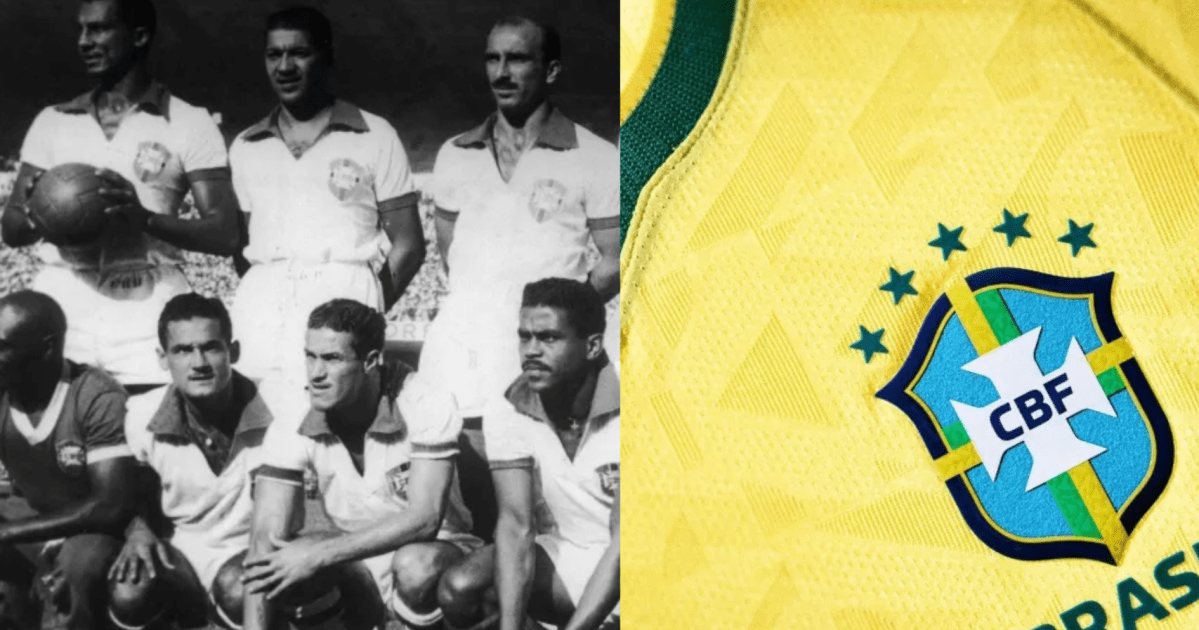
All Brazil shirts in World Cups; remember
CNN Brasil
São Paulo player scores first own goal of the World Cup in USA x Paraguay
CNN BrasilWorld Cup: USA x Paraguay has 7 players from the Brasileirão; check it out
CNN Brasil📰 Related Articles

Brazil's debut in the World Cup this Saturday changes services in DF; see what works and where to watch
G1 Globo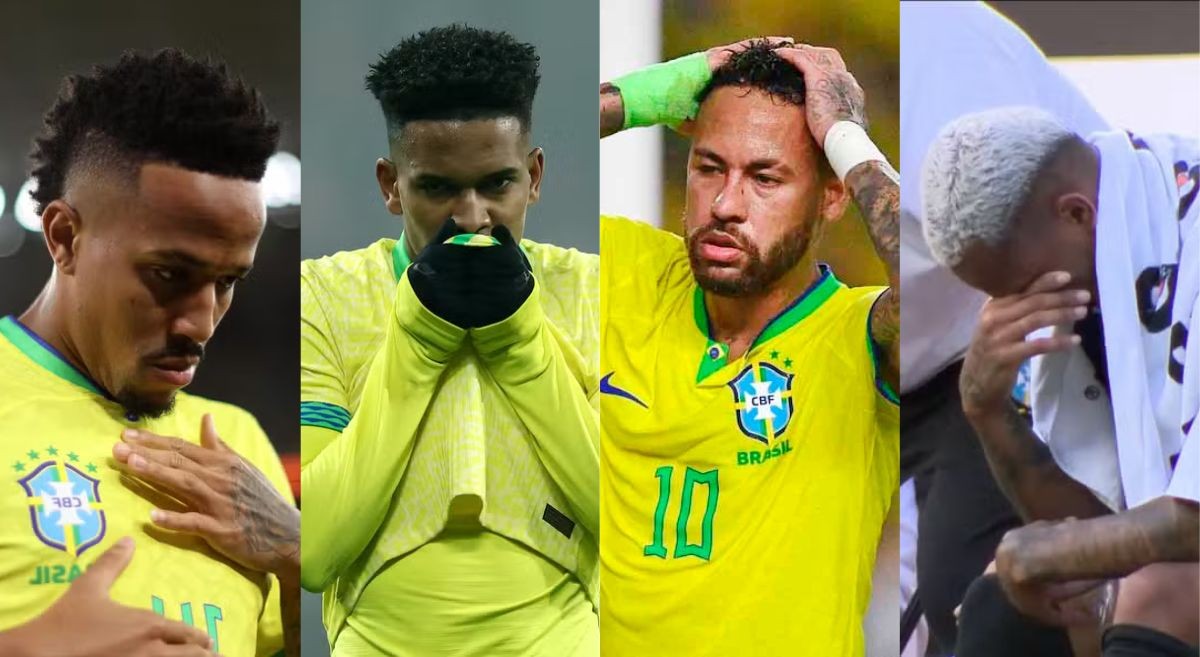
From Neymar to Wesley: understand the injuries that took Brazil's players out of the 2026 World Cup
G1 Globo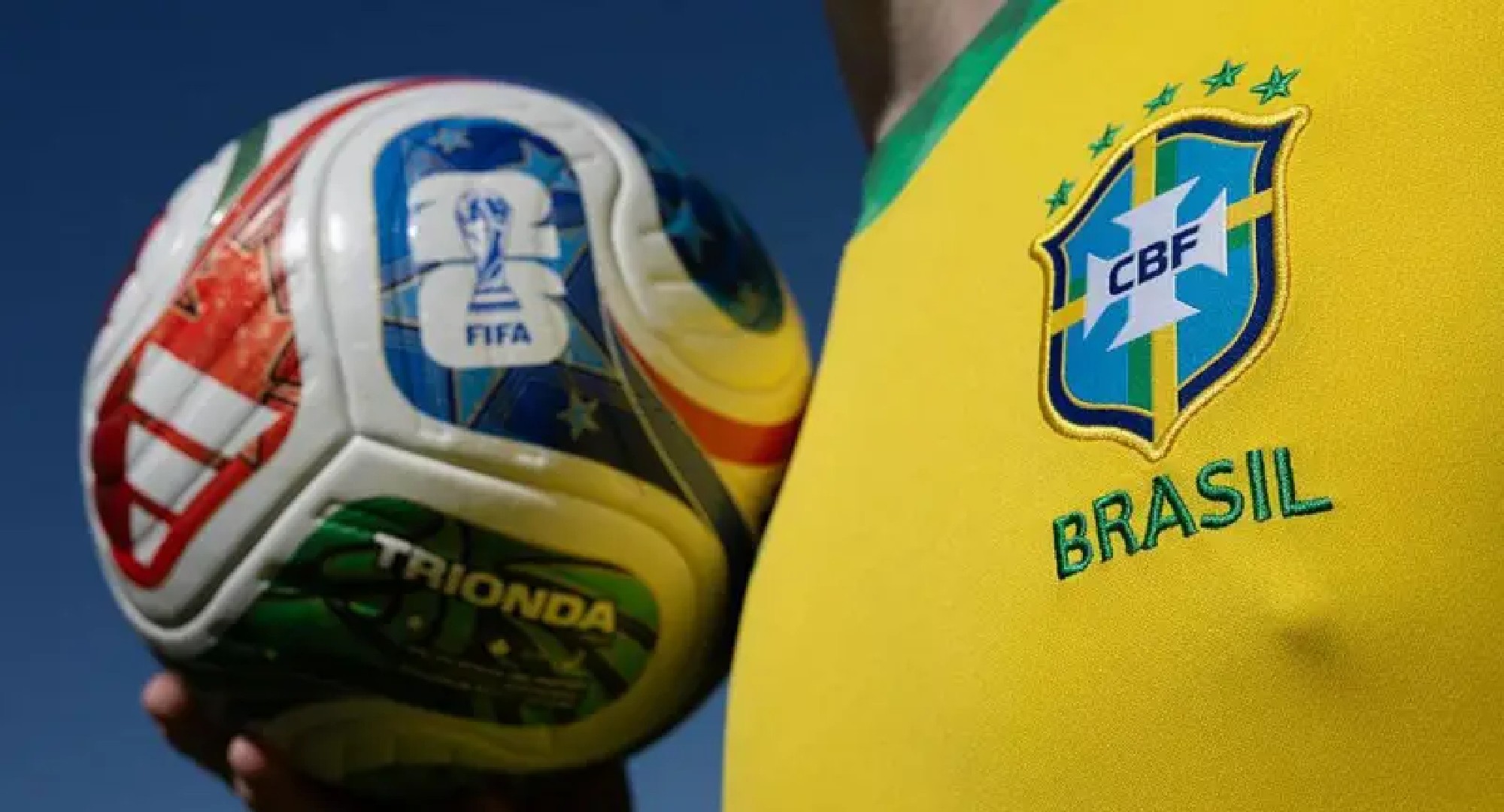
Brazil debuts in the World Cup with a game in the United States; see all the national team's games
G1 Globo
Hexa probability: what is the chance of Brazil being champion? Mathematics may have the answer
G1 Globo
World Cup in condominiums: see what can and cannot be done
G1 Globo