


Court orders Union to demarcate Indigenous Land of Kajkwakratxi people
⚡ Quick Summary
The Federal Court in Mato Grosso ordered the Union and the National Foundation of Indigenous Peoples (Funai) to complete the process of demarcating the indigenous land of the Kajkwakratxi (Tapayuna) people within 24 months.
The Federal Court in Mato Grosso ordered the Union and the National Foundation of Indigenous Peoples (Funai) to complete the process of demarcating the indigenous land of the Kajkwakratxi (Tapayuna) people within 24 months.
Federal judge Pablo Kipper Aguilar also ordered the payment of R$10 million in collective moral damages and the holding of a public apology ceremony to the indigenous people.
Related news:
Fachin orders deintrusion of the Cachoeira Seca Indigenous Land, in Pará.
In the decision, the magistrate recognized human rights violations committed against the Kajkwakratxi people. The judge ordered the Union to gather all the documentation available in the National Archives about violence that occurred during the colonization process in the Arinos River region and the forced removal of these people to the Xingu Indigenous Park.
In the process, the indigenous people had the support of the Federal Public Defender's Office (DPU) and the Federal Public Ministry (MPF).
The judge dismissed Funai and the Union's argument that the Federal Supreme Court (STF) has already established a ten-year deadline for completing the ongoing demarcations. For him, this deadline is administrative in nature and does not prevent Justice from acting when there is excessive delay.
“I thank you for the collective fight, I am very happy, the community is very happy, it is a surprise,” said Wetaktxi Tapayuna, president of the Tapayuna Indigenous Association (AIT), according to a message released by the DPU.
He added that the community finds the decision “exciting.” "It's great joy to see this entire journey we've been through to reach this very important point, in relation to our people, with the generations that are fighting for traditional territory, for the demarcation of traditional territory, with the expectation of living on top of their relatives that they left behind at that time. To defend our ancestry, to live with the soul of our relatives", added Wetaktxi Tapayuna.
According to the MPF, the Kajkwakratxi indigenous people were the target of a series of violence throughout the 20th century, which resulted in the group's social disintegration. In the 1970s, they were forcibly removed by the State from their traditional territory to the Xingu National Park.
Then, a Tapayuna Indigenous Reserve was created in 1968, but was extinguished in 1976 on the grounds that there were no indigenous people in the area. There is evidence, however, that until now there are indigenous people of isolated ethnic groups in the region of traditional occupation.
🗞️ 1 sources covered this story
📰 Related Articles

Cascais. President of the council of Alcabideche accused
Observador
“I deserved it”: when a child normalizes violence
Observador
Hail covers neighborhoods in the western region of Uberlândia and wind causes tree to fall
G1 Globo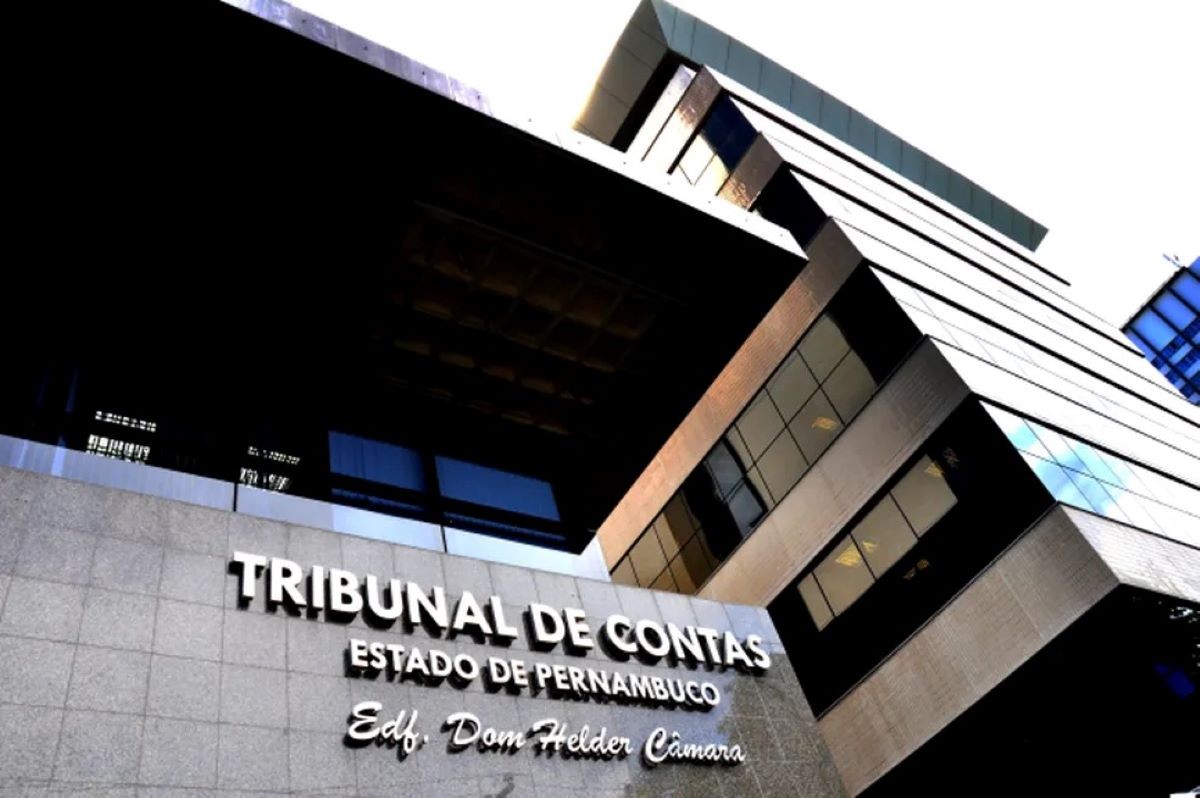
TCE resumes competition that had been suspended due to suspicion of fraud; tests will be reapplied for four positions
G1 Globo
Influencers are targets of police operations for publishing illegal raffles on social media
G1 Globo