Dario Durigan gains support from Gilmar Mendes against bombshells; dean of the STF says they are unconstitutional
⚡ Quick Summary
The Minister of Finance, Dario Durigan, won the support of Minister Gilmar Mendes in the fight against the bomb agendas being processed in the National Congress, especially in the Federal Senate.
The Minister of Finance, Dario Durigan, won the support of Minister Gilmar Mendes in the fight against the bomb agendas being processed in the National Congress, especially in the Federal Senate.
In recent days, the Dean of the Supreme Court published messages criticizing the bomb agendas, highlighting that parliamentarians cannot create expenses for the Union, States and municipalities without determining the sources of resources to cover holes in public coffers.
Even with warnings from Minister Gilmar Mendes and requests from Minister Dario Durigan, this Wednesday (10) the Senate approved three bomb agendas with a potential damage to public accounts of more than R$200 billion over the next ten years.
Without an agreement with the government, Alcolumbre put it to vote and the renegotiation of rural producers' debts was approved, which could cost R$140 billion over the next ten years.
Now on g1
Furthermore, the Constitution and Justice Commission (CCJ) approved full retirement, with parity, for public agents, at an estimated cost of R$30 billion.
The commission also approved an increase in the minimum salary for doctors and dental surgeons, with an impact of R$47 billion.
The projects still need to go through the Chamber of Deputies, where the government will try to hold their vote. If they are approved, they will be vetoed by Lula. The government is still considering appealing to the STF.
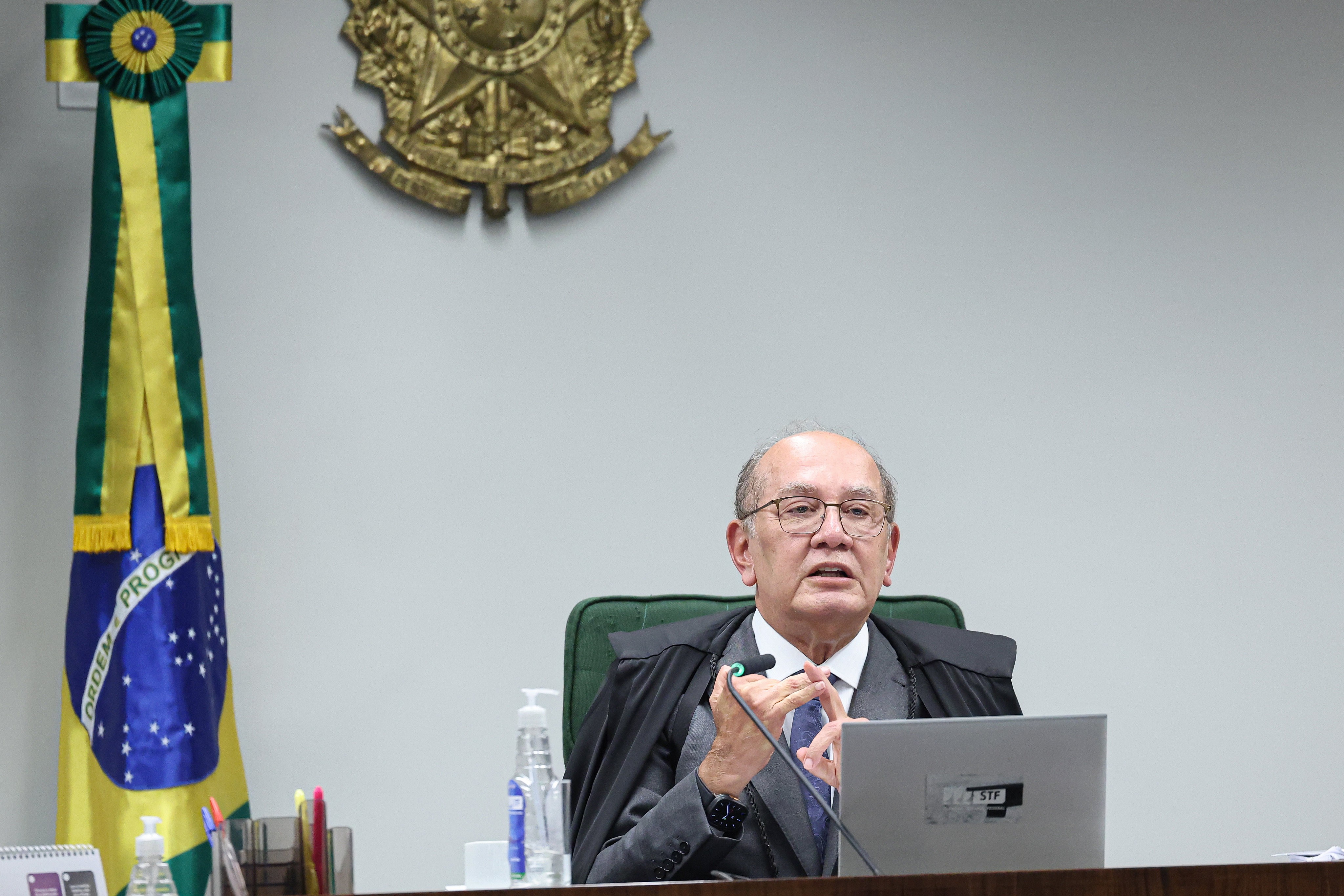
Gilmar Mendes in Session of the Second Panel of the STF
Luiz Silveira/STF
Activate AGU
On the blog, the dean of the STF said that the government should call the Attorney General's Office (AGU) to go to court against these bomb agendas as he understands that they are unconstitutional.
This Thursday (11), Gilmar published on social media that "the National Congress cannot create expenses and municipalities without indicating the source of funding".
According to him, the rule has been expressed in the Constitution since constitutional amendment 128, approved in 2022.
This Wednesday, Gilmar Mendes had also warned about the bomb agendas of the National Congress.
"There is a relevant risk of seeing, in many countries, inflation with low economic growth, which commonly puts governability and political stability into question. This situation requires us to pay special attention to the foundations of a strong market economy. I think that macroeconomic stability is a basic premise for the development of any country, and for this there must be fiscal responsibility", said the dean of the STF.
At the end of the text, the minister stated:
"In other words, Congress needs to demonstrate how much it costs and where the money comes from before approving new expenses. The STF has peaceful jurisprudence on the subject: the absence of these prior studies makes the legislative measure unconstitutional. It is therefore necessary to have fiscal responsibility and fidelity to the Constitution, avoiding the creation of case-by-case expenses in non-compliance with the established rules, which could lead to the invalidation of the measure and, therefore, its ineffectiveness."
🗞️ 4 sources covered this story

PCP against parliamentary “coup” in voting on labor law
Observador
German Chancellor warns against rising European Union debt
CNN Brasil
PF carries out operation against international cocaine trafficking via maritime routes
CNN Brasil
World Cup 2026: Morocco loses two starters before debut against Brazil
CNN Brasil📰 Related Articles

2pm. ECB raises interest rates for the first time in three years
Observador/https://i.s3.glbimg.com/v1/AUTH_59edd422c0c84a879bd37670ae4f538a/internal_photos/bs/2026/Y/o/peHdweT123MkIzX3cwhg/bg-g1-03-8-.png)
Sentenced to 19 years in prison for raping his own daughter, he is arrested in the city of Piauí
G1 Globo
Father arrested on suspicion of raping daughter for 9 years in ES
G1 Globo
After hailstorm, MS government declares emergency situation in Ivinhema
G1 GloboVIDEOS: Good Morning Santa Catarina for Thursday, June 11, 2026
G1 Globo