


Government expands environmental protection and prepares forest recovery
⚡ Quick Summary
President Luiz Inácio Lula da Silva announced this Wednesday (10), at Palácio do Planalto, in Brasília, a package of initiatives for the preservation and protection of Brazilian biomes and addressing the impacts caused by climate change.
President Luiz Inácio Lula da Silva announced this Wednesday (10), at Palácio do Planalto, in Brasília, a package of initiatives for the preservation and protection of Brazilian biomes and addressing the impacts caused by climate change. The ceremony marks the passage of World Environment Day, celebrated on June 5th.
Among the measures, the President of the Republic signed a decree creating new conservation units and expanding old protected areas; sanctioned the National Policy Law for Caatinga Recovery; and the decree that simplifies and speeds up transfers from the National Environmental Fund to states and municipalities, with a view to preventing and combating forest fires.
The President of the Republic, Luiz Inácio Lula da Silva, in a ceremony on World Environment Day, at Palácio do Planalto. Photo: Valter Campanato/Agência Brasil
Related news:
Understand the next steps of the project to reduce the age of criminal responsibility.
Chamber Committee approves reduction of the age of criminal responsibility to 16 years.
TCU approves Lula government accounts for 2025 with reservations.
"For the first time, we are taking the lead, in the fight to combat the possible fires that will come, because the prospect is that El Niño will be very violent, and that we could have more climate disasters. For the first time, we are prepared in advance to face this situation", highlighted Lula.
For the president, the event at Palácio do Planalto shows that “Brazil is now a country with more credibility in the world to take care of environmental issues.”
The Annual Deforestation Report in Brazil, produced by MapBiomas, recorded that, in 2025, the country managed to stay below the mark of 1 million deforested hectares (984.7 thousand hectares), an unprecedented fact.
New conservation units could help contain deforestation. Lula signed decrees for the creation of the Tanaru National Park, in Rondônia, and the Tocantins River Paleocanal Environmental Protection Area, in Pará.
In addition to the new units, the Serra das Confusões and Sete Cidades National Parks, in Piauí, were expanded. The measures expand the protection of strategic ecosystems and strengthen the National System of Conservation Units.
Drop in deforestation
According to the Minister of Environment and Climate Change, João Paulo Capobianco, the drop in deforestation occurred in different biomes. According to him, "in the Amazon, the decrease was 50% and continues to fall. In the Cerrado, it was 32%; and in the Pantanal, 63%."
The minister assesses that, since 2023, “Brazil has resumed environmental governance and placed climate and environmental issues at the center of national public policies.”
"We came out of a period of institutional disintegration to rebuild the State's capabilities, strengthen environmental agencies, recover planning instruments and re-establish coordination between the Federal Government, states, municipalities and society. But we did more than rebuild the structure of the State. We consolidated the understanding that environmental policy cannot be treated as a side issue", said Capobianco.
More investments
During the event, investments of R$2 billion were announced for actions by the Brazilian Institute for the Environment and Renewable Natural Resources (Ibama) and the Chico Mendes Institute for Biodiversity Conservation (ICMBio).
Acts were also signed that allocate R$834 million in financing from the Climate Fund to companies and civil society organizations that proposed projects to restore native vegetation. Reimbursable resources are administered by the National Bank for Economic and Social Development (BNDES).
For the bank's socio-environmental director, Tereza Campello, the financing is a milestone.
"In addition to facing deforestation, we are rebuilding our forests. And this is something that no one in the world is doing like we are doing. These R$834 million will generate R$3 billion, because there is money from companies that is also coming in to restore, to rebuild our forests”, said the director.
World Environment Day was established in 1972 by the United Nations during the Stockholm Conference (Sweden), considered the first major UN event on the environment.
📰 Related Articles

US releases video of missiles fired in attacks against Iran; look
CNN Brasil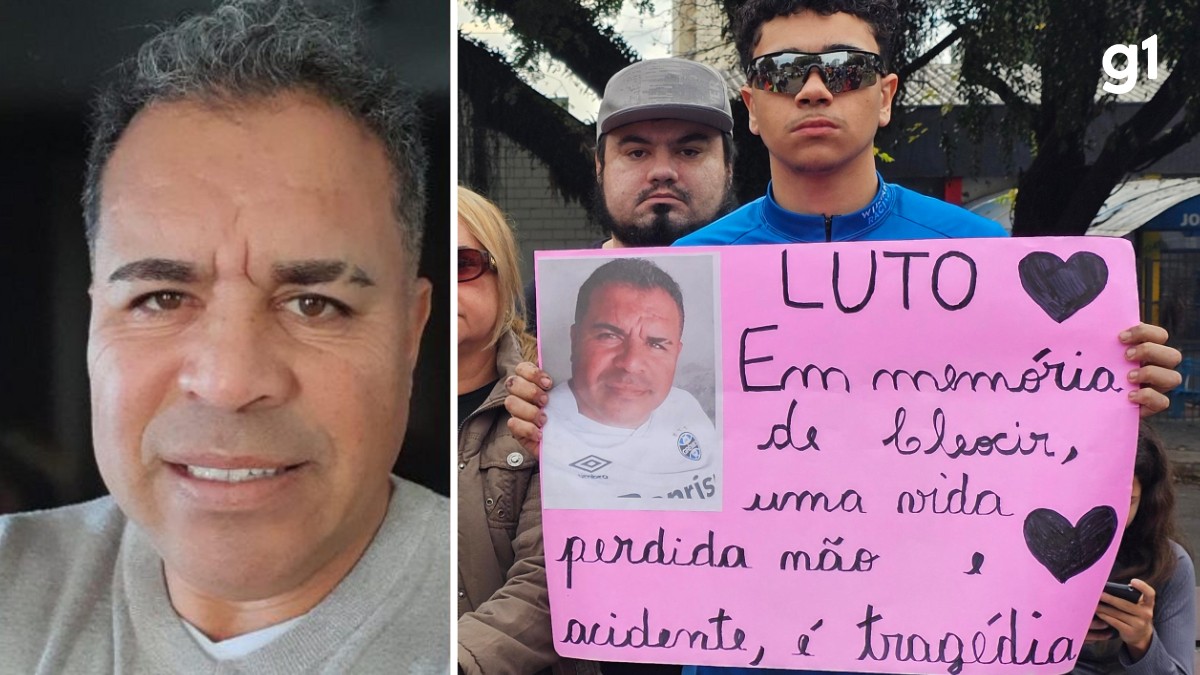
Driver, father and cyclist for health: who was the man who died in an accident involving friends taking a photo on a bike lane in RS
G1 Globo
Eurasia: External scenario, with war and inflation, could be a risk to Lula
CNN Brasil
Brazil defeats Iran in Brasília and debuts with victory in the VNL
CNN Brasil
Iran announces attack on US 5th Fleet headquarters in Bahrain
CartaCapital