


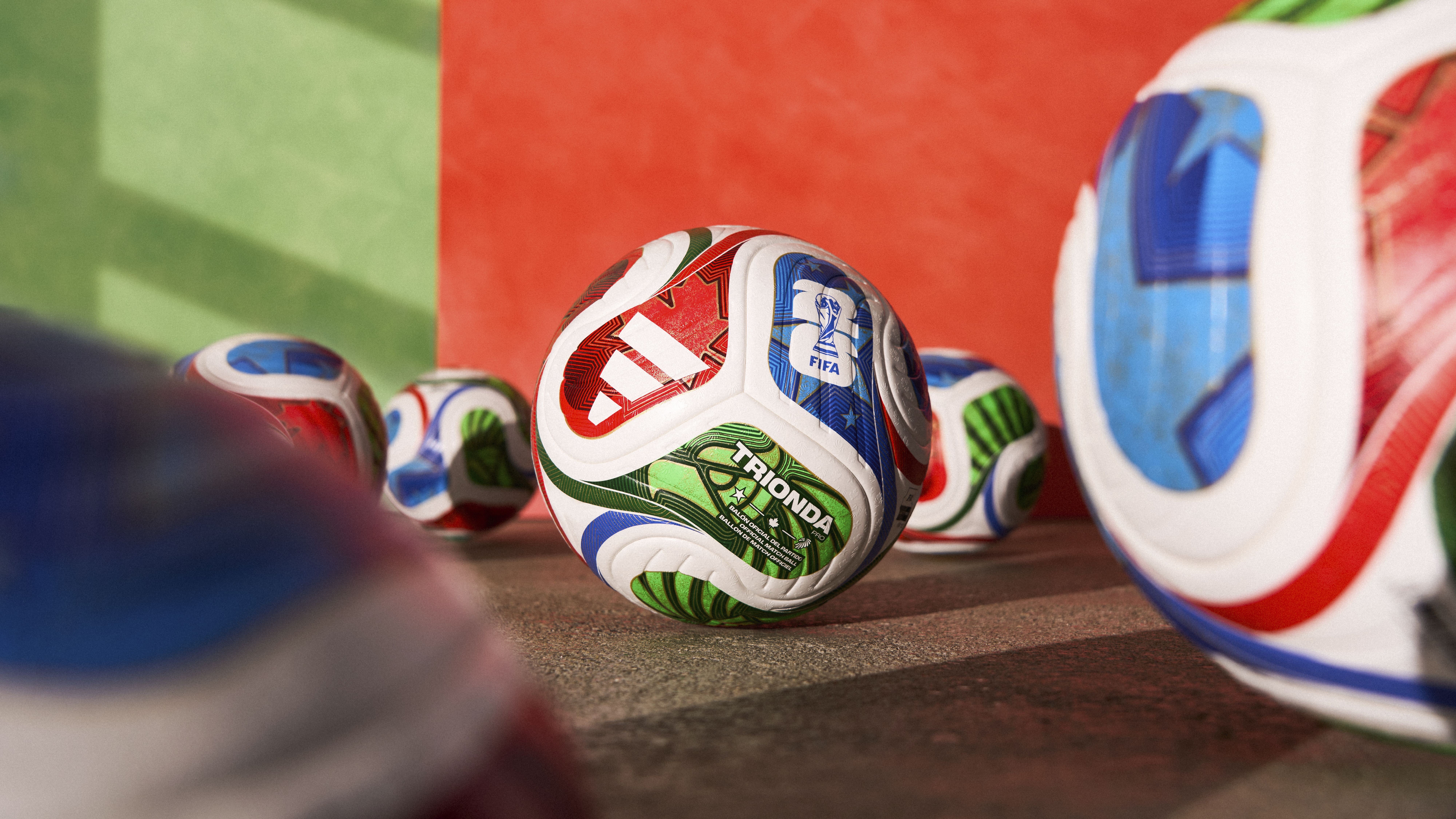
Trionda: chip, AI and battery make the 2026 World Cup ball work like a 'computer'
⚡ Quick Summary
Trionda: chip, AI and battery make the 2026 World Cup ball work like a 'computer' ⚽ Sensors, artificial intelligence and even a charging system.
Trionda: chip, AI and battery make the 2026 World Cup ball work like a 'computer'
⚽ Sensors, artificial intelligence and even a charging system. It seems like we are talking about a computer or a cell phone, but these technologies are part of Trionda, the 2026 World Cup ball.
Developed by Adidas, the technological version of the ball will only be used in FIFA World Cup matches, which take place in the United States, Mexico and Canada. The version sold to the public does not have these features, according to the manufacturer.
🗒️ Do you have any reporting suggestions? Send it to g1
Among the technologies present, the players' Trionda features a motion sensor capable of tracking everything that happens during the match and sending data in real time to the Video Assistant Referee (VAR) system.
In practice, Trionda collects and transmits information 500 times per second. With this data, referees can more accurately monitor each movement of the ball throughout the game.
This feature, however, is nothing new. He was already present at Al Rihla, used in the 2022 World Cup in Qatar. As with the previous Copa model, the Trionda's sensor is battery-powered. Therefore, from time to time, the ball needs to be connected to the socket to recharge.
Sensors present in the 2026 (left) and 2022 (right) World Cup balls
Disclosure/Adidas
Unlike previous models, where the motion sensor was "suspended" in the center of the ball, it is now embedded in a layer within one of the Trionda's four panels. (see image above)
According to Adidas, the other three panels received counterweights to compensate for the weight of the sensor and ensure that the ball maintains balance during the game.
The number of panels (the pieces that form the structure of the ball) has also changed and been significantly reduced. Al Rihla, used in the 2022 World Cup, had 20 panels.
Official ball of the 2026 FIFA World Cup.
Disclosure/Adidas
The company explains that the information collected by the sensor is combined with data on the players' positioning and analyzed by artificial intelligence. This allows the referee to review moves more quickly, including offside situations and possible handballs.
"One of our main focuses was to help referees make correct decisions as quickly as possible, because any VAR review interrupts the rhythm of the match," said Hannes Schaefke, football innovation lead at Adidas, in an interview with The Athletic in 2025.
As in previous years, the entire project was developed in partnership with Kinexon, a technology company that provides tracking and data analysis systems for sports.
More technologies
FIFA will also use 3D scanning technology for players called up for the 2026 World Cup. The idea is to create a digital version of each athlete to help referees.
With these avatars, referees are able to more accurately visualize the position of the players' bodies at the moment the ball is touched, which can help in the analysis of moves such as offsides. The project was developed in partnership with Lenovo.
Another new feature is Football AI Pro, an AI tool created by FIFA to assist technical committees after matches. The system analyzes game data and generates reports with information on athletes' performance, tactical aspects and possible strategies.
To do this, it combines different sources of information, such as match statistics, player positioning data and game videos. According to FIFA, the objective is to speed up analysis work and help teams extract information in a faster and more organized way. READ ALSO:
Scams using World Cup sticker albums soar and add up to more than 160 fake websites
Scammers clone FIFA website to trick Brazilians looking for tickets
The Brazilian team's uniform for the trip to the USA becomes a meme on social media; PHOTOS
Scammers clone FIFA website to deceive Brazilians looking for World Cup tickets
🗞️ 4 sources covered this story

📰 Related Articles

World Cup 2026. 1 day left until the World Cup
Observador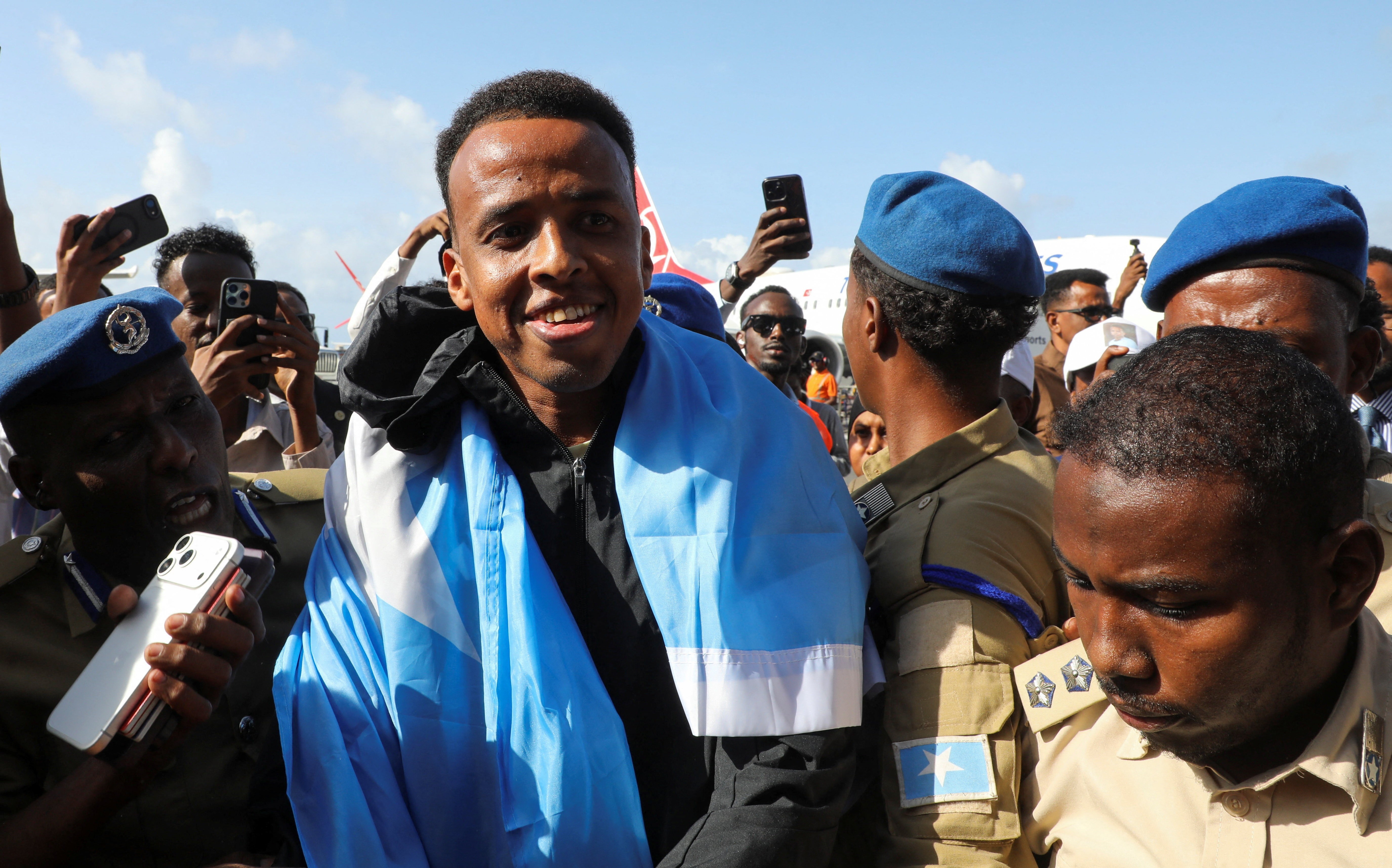
Prevented from entering the United States, referee returns to Somalia and is welcomed as a hero
G1 Globo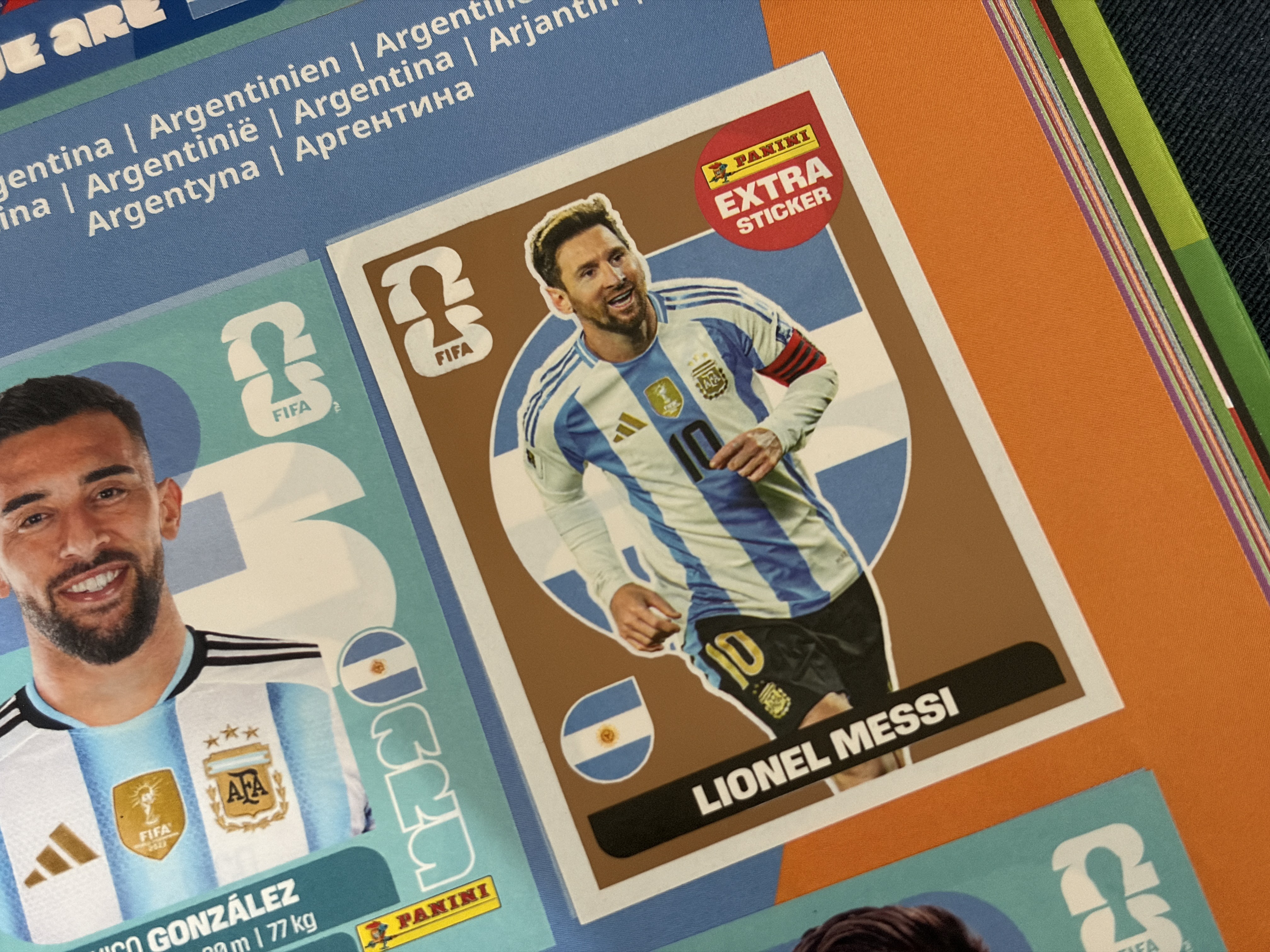
What is a rare sticker, and what is the chance of finding it? World Cup album keeps mystery about the 'legends'
G1 Globo
With the new format, the 2026 World Cup will have 104 matches: see how many games each country will host
G1 Globo
Cristiano Ronaldo's sister prepares to watch the star's last World Cup: 'It's the last dance'
G1 Globo