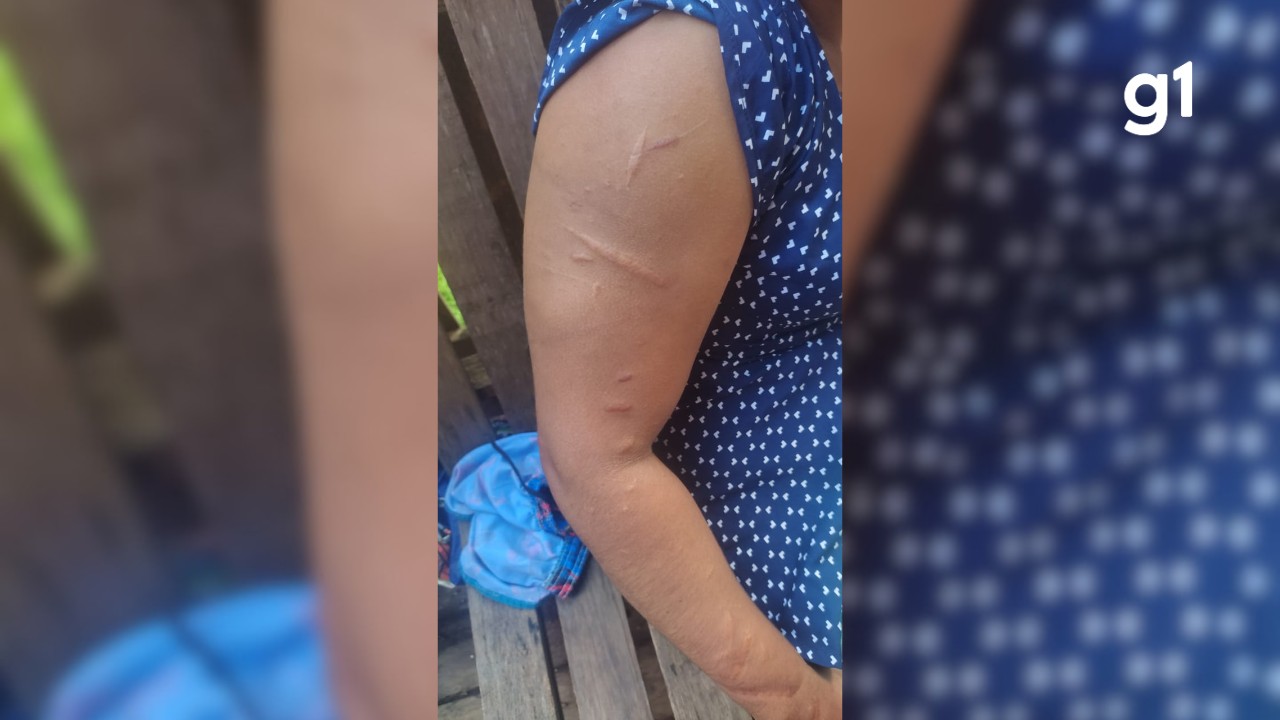
'War tax': the mechanism used by factions to raise money in dominated areas
⚡ Quick Summary
Militia and drug trafficking turn traders and customers into hostages in Rio de Janeiro The dominance exercised by militias and criminal factions over the sale of products in communities in Rio de Janeiro goes beyond imposing suppliers and increasing prices.
Militia and drug trafficking turn traders and customers into hostages in Rio de Janeiro
The dominance exercised by militias and criminal factions over the sale of products in communities in Rio de Janeiro goes beyond imposing suppliers and increasing prices. According to investigations, the scheme works as a type of parallel taxation system, created by criminal groups to raise resources and finance their activities.
Known among the organizations' own members as a "war tax", the charge is incorporated into the price of goods sold in dominated areas. The money obtained from the sale of products such as wheat flour, roast chicken, water, gas, vegetables and construction materials would be used to maintain the structure of factions and militias, including the purchase of weapons and equipment to defend territories from rival invasions or police operations.
In practice, the mechanism works through the imposition of suppliers chosen by criminals. Traders claim that they are forced to purchase goods from certain distributors, often at prices above those prevailing in the market. Without competition, costs increase and end up being passed on to consumers.
"The tax that the government charges us, the militia is charging it now, and it is being paid to them. It does not result in quality of life for anyone. Every day they own it more. This profit is all for them. So everything becomes much more expensive for this person who is unassisted by the State", says a resident.
Crime monopoly: drug trafficking and militia even control who supplies food to markets and bakeries in Rio
Crime monopoly
The logic is similar to that of a monopoly. Criminals determine who can sell, which products should be purchased and for what value. Anyone who fails to comply with the rules runs the risk of suffering threats and retaliation. In some cases, competing suppliers are expelled from dominated regions.
According to experts, those most affected are precisely the residents of these areas. In addition to having to live with a lack of options, they end up paying more for basic everyday products.
"These families are already very vulnerable to the inflationary process. And if you impose an extra tax on these families, the product becomes more expensive for them", says an expert interviewed by the report.
The consequences also affect the formal economy. Companies that previously supplied these regions suddenly lose market share when criminal organizations begin to control distribution. For traders, the result is an environment of fear and dependency.
"The profit is all for them", summarized a businessman. "You work for them, you become their employee."
Flour scheme: bakery owner was killed after refusing to buy product imposed by militia
Prisons
Last Wednesday, the Civil Police carried out 14 search and seizure warrants at addresses related to the companies being investigated.
In one of the warehouses, agents found expired products and arrested a man red-handed. In another location, precarious storage conditions were identified, with food close to animal feces.
Meanwhile, traders report a feeling of helplessness in the face of threats.
"I confess to you, I lost the desire to work. Soon, God willing, I will move on to my store. You work for them, become their employee", said one of the victims interviewed by Fantástico.
Listen to Fantástico podcasts
THIS IS FANTASTIC
The Isso É Fantástico podcast is available on g1 and the main podcast apps, bringing great reports, investigations and fascinating podcast stories with the Fantástico journalism seal: depth, context and information. Follow, like or subscribe to Isso É Fantástico on your favorite podcast player. Every Sunday there's a new episode.
📰 Related Articles
Tren de Aragua: how Venezuelan faction in Trump's sights acts in Northern Brazil
BBC Brasil
Granos changes control and aims for R$1 billion with acquisitions and exports
CNN Brasil
PL bets on quick analysis and definition of parameters for TSE research
CNN Brasil
Mobi Fold: first impressions of Logitech's new folding mouse
G1 Globo
One year after Herus’ death, father demands justice: ‘The PM who shot him remains free and at large’
G1 Globo