


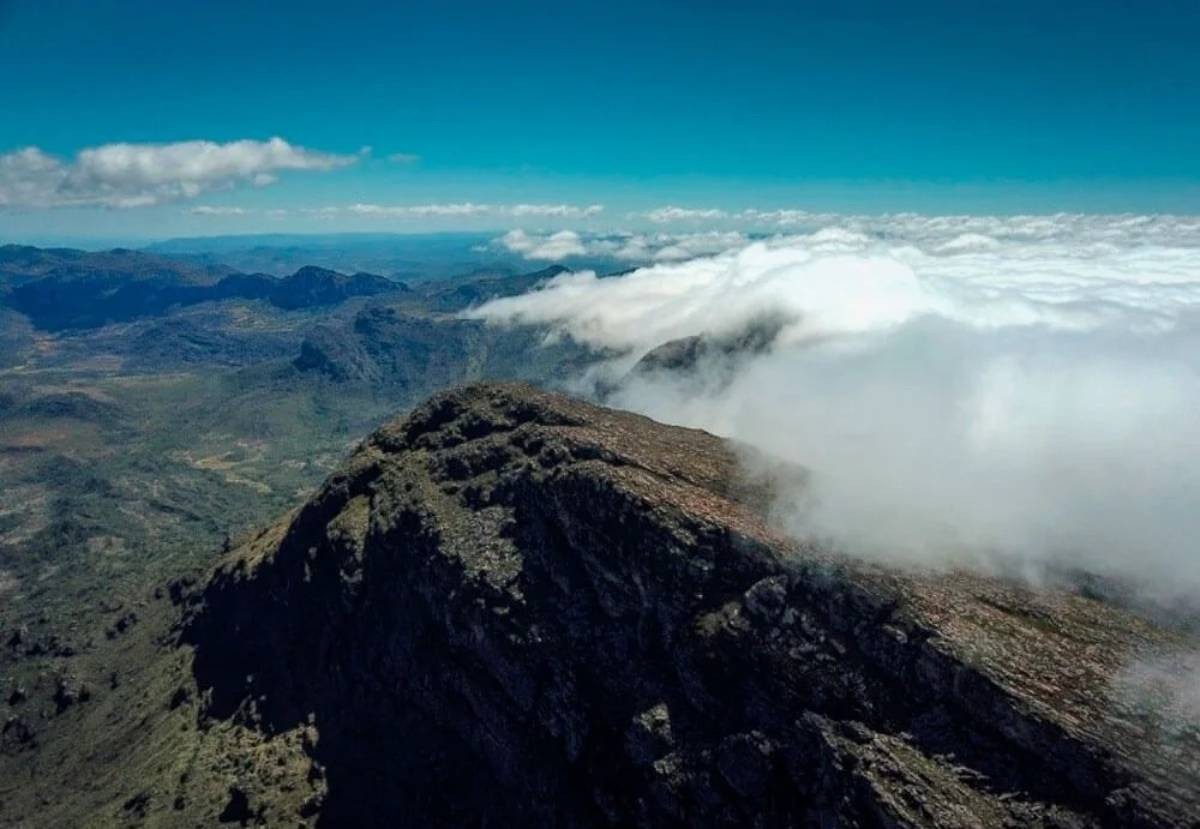
Mountainous relief and high altitude: what is behind the low temperatures in the coldest city in the Northeast
⚡ Quick Summary
Meteorologist explains factors that influence low temperatures in Piatã The cold in Piatã, a city with around 20 thousand inhabitants in Chapada Diamantina, Bahia, is impressive, and the answer to the mild temperatures lies in geography.
Meteorologist explains factors that influence low temperatures in Piatã
The cold in Piatã, a city with around 20 thousand inhabitants in Chapada Diamantina, Bahia, is impressive, and the answer to the mild temperatures lies in geography. The municipality is located at an altitude of 1,200 meters, home to the highest point in the Brazilian Northeast, Pico do Barbado.
As meteorologist Henrique Mendonça, who works in the Coordination of Climate Studies and Special Projects (Cocep) of the Institute for the Environment and Water Resources (Inema), explains, it is precisely this altitude, added to the relief and the influence of the winds, which explains the maintenance of low temperatures throughout the day.
Throughout history, the city has reached 1.2°C. This occurred in the 1980s, as mentioned by the municipal secretary of Tourism, Ricardo Xavier, but he was unable to detail the period.
📲 Click here and join the g1 Bahia WhatsApp group
📱Bookmark g1 on Google and follow the main news of the day
In recent days, the temperature marked less extreme measurements — 12°C —, but still a highlight amid the heat typical of most of the Northeast.
Pico do Barbado, in Chapada Diamantina
Dimitri de Igatu
According to Mendonça, this cold weather is a reflection of winds coming from the south of the country. He points out that it was the same system that caused heavy rain in several regions of Bahia last week.
The scenario is relatively common at this time of year. Although winter only officially begins on June 21st, the season's climatic characteristics are already beginning to be felt in some areas of the state.
"It is common for these drops in temperature to occur, these records of low temperatures, especially now during our rainy season", adds the meteorologist. In Piatã, the coldest period extends from June to August.
Experience for tourists
Image of the city of Piatã, in Chapada Diamantina
Chapada Diamantina Guide
For anyone visiting the city, the intensity of the cold is usually one of the first surprises. According to tour guide Amanda Pedreira, many tourists arrive expecting warmer temperatures.
"What surprises most is the combination of altitude, landscapes and climate. Many people don't imagine finding such low temperatures in the Northeast."
But, according to her, the cold is precisely what transforms the experience of visitors, who enjoy hiking through the mountains, contemplating the landscapes and observing common phenomena in the region, such as the fog that often covers the mountains in the early hours of the morning.
Coffee, waterfalls and mountains
Thermometer registers 10°C in Piatã
I found Southwest
In general, low temperatures benefit several sectors of the local economy, such as coffee producers. Benefiting from the high altitude and soil characteristics, the grains produced in the region gained recognition inside and outside Brazil.
Residents and tourism professionals emphasize that farms and rural properties linked to coffee growing receive visitors interested in learning about the production process and tasting award-winning coffees.
In addition to coffee, the municipality has a series of natural attractions. Among them are waterfalls, natural viewpoints, cave paintings and important Chapada Diamantina springs.
Tour guide Amanda highlighted among the main attractions the Gerais region, the Vale dos Três Morros and Serra da Tromba, where one of the sources of the Rio de Contas is located.
Visitors also usually include Pico do Barbado in their itinerary, the highest point in the Brazilian Northeast, whose panoramic view is considered one of the most impressive in Chapada Diamantina.
The municipality of Chapada Diamantina is home to the highest point in the northeastern region. Art g1
City of Piatã, in Chapada Diamantina
Chapada Diamantina Guide
Piatã, in Chapada Diamantina, offers beautiful landscapes between mountains and low temperatures
Reproduction / Flavors of the Northeast
READ ALSO:
Piatã, in Chapada Diamantina, offers beautiful landscapes between mountains and low temperatures
Climatic diversity and sustainable practices: learn about factors that make Bahia the largest coffee producer in the Northeast and the 4th in Brazil
'Bahia's capital of cachaça' is the city with the best quality of life in Bahia, study shows
See more state news on g1 Bahia.
Watch videos from g1 and TV Bahia 💻
📰 Related Articles

Tourism, beer and betting: who should win from the 2026 World Cup, which could generate R$200 billion
G1 Globo
Employee suspected of scamming R$200,000 made PIX to relatives' accounts, police say
G1 Globo
Jordan says it intercepted Iranian missiles launched at US base
CNN Brasil
Air raid sirens go off in Kuwait
CNN Brasil
In Messi's 199th game, Argentina beats Iceland in the last pre-World Cup friendly
CNN Brasil