Cubans pay US$2,800 to enter Brazil through the Roraima border with Guyana
⚡ Quick Summary
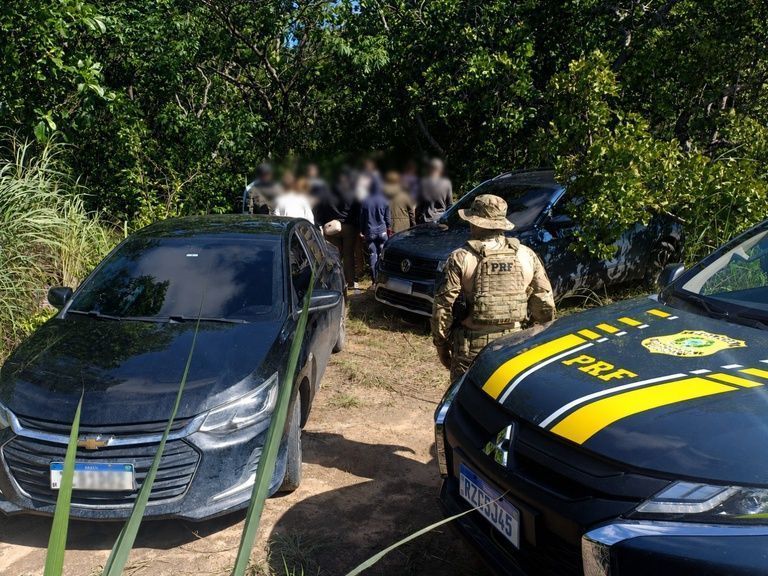
PRF rescues 108 Cubans in one day and records the largest operation against coyotes on the border of The 108 Cubans rescued by the Federal Highway Police (PRF) paid up to US$2,800 - more than R$14,000 - to "coyotes" to enter Brazil via BR-401, the highway that connects Roraima to the border with Guyana, this Monday (8).
PRF rescues 108 Cubans in one day and records the largest operation against coyotes on the border of
The 108 Cubans rescued by the Federal Highway Police (PRF) paid up to US$2,800 - more than R$14,000 - to "coyotes" to enter Brazil via BR-401, the highway that connects Roraima to the border with Guyana, this Monday (8). This is the largest operation against coyotes on the border between the corporation's countries.
🔍 In the context of migration, "coyote" is the name given to people or groups who charge to facilitate the irregular entry of migrants into another country.
✅ Click here to follow the g1 RR channel on WhatsApp
During the PRF incident, five suspects were arrested for promoting illegal migration in Cantá, North of Roraima. The price corresponds to the total cost of the trip, which may include travel to Brazilian capitals and other South American countries, such as Uruguay.
According to the Brazilian Intelligence Agency (Abin), Cubans can pay up to US$10,000, equivalent to more than R$50,000, for the irregular crossing. The value is 257% higher than that reported by the Cubans rescued in the operation on Monday (8).
Costs vary depending on the distance traveled and the services offered by the coyotes. The PRF said they can charge from US$300 - R$1,500 - when migrants arrive at the border on their own and only need transport to Boa Vista.
Route taken by Cubans to Brazil
PRF rescues 39 Cuban immigrants and arrests two 'coyotes' in Roraima
Nalu Cardoso/g1 RR
The report "Migrant Smuggling in Brazil: An Intelligence Analysis", published in April 2026 by Abin and the International Organization for Migration (IOM), highlights that BR-401 is the main route used for the irregular entry of Cubans into Brazil.
The highway is around 125 kilometers between Boa Vista and Bonfim, a municipality located in the border region. The migrants leave Cuba, pass through Georgetown, the capital of Guyana, head to Lethem, a Guyanese city on the border with Brazil, and enter the country through Bonfim. In some cases, the crossing occurs clandestinely across the river that separates the two countries.
After entering Brazilian territory, they continue their journey in vehicles to Boa Vista and other regions of the country. The capital of Roraima works, most of the time, just as a transit point, and the final destination can vary between cities such as Curitiba and São Paulo, as well as neighboring countries.
According to Isaías Magalhães, a PRF agent, the activity is highly profitable for coyotes.
"It is a very profitable activity. In some cases, vehicles with capacity for five occupants transport 10, 11 or even 12 people to increase the profit of the trip", he stated.
Balance of recent years
Between 2024 and 2026, the PRF rescued 189 migrants in a situation of clandestine transport during 24 incidents recorded on the state's federal highways. The numbers have not yet been updated with the new occurrences this Monday (8).
There is a secondary route used by Cubans who have a Venezuelan visa and enter Brazil through Pacaraima, on the border with Venezuela.
In the same period, 31 people suspected of acting as "coyotes" were arrested and 31 vehicles used in the scheme were seized.
According to the PRF, around 91% of the rescued migrants are Cuban nationals. Cases involving people from China, India and Cameroon were also identified.
Migration of Cubans in Roraima grows 56% between January and September 2025
Read other state news on g1 Roraima.
🗞️ 3 sources covered this story


📰 Related Articles
With beds, kitchen and emergency stock: Germans build bunkers at home amid tensions in Ukraine
G1 Globo
Police protected fugitives and leaked information about operations in Paraíba, investigation shows
G1 Globo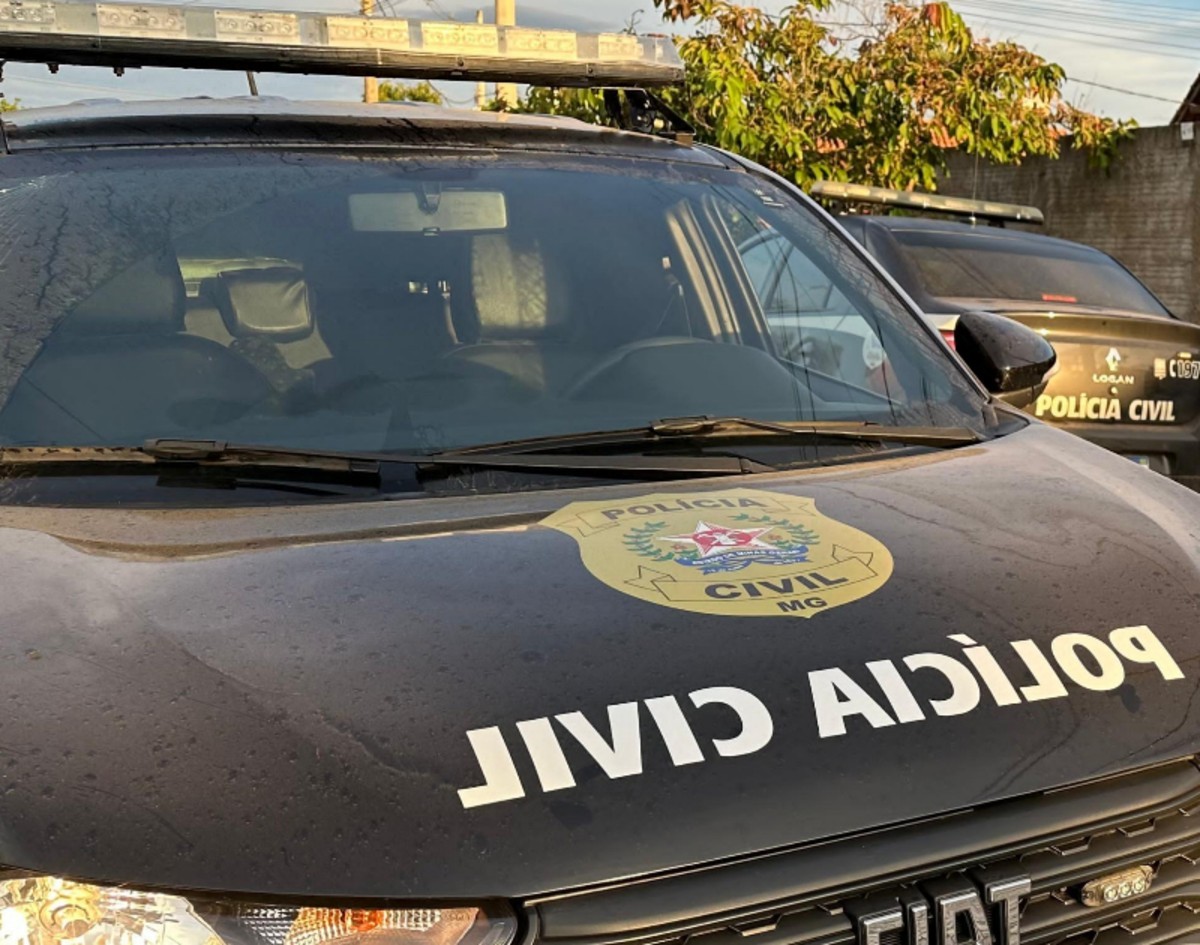
Water delivery man sexually assaults elderly woman alone at home in MG
G1 Globo
Airbus reveals helicopter capable of flying without a pilot; see how it works
G1 Globo
Valentine's Day: check out options to celebrate love in DF
G1 Globo