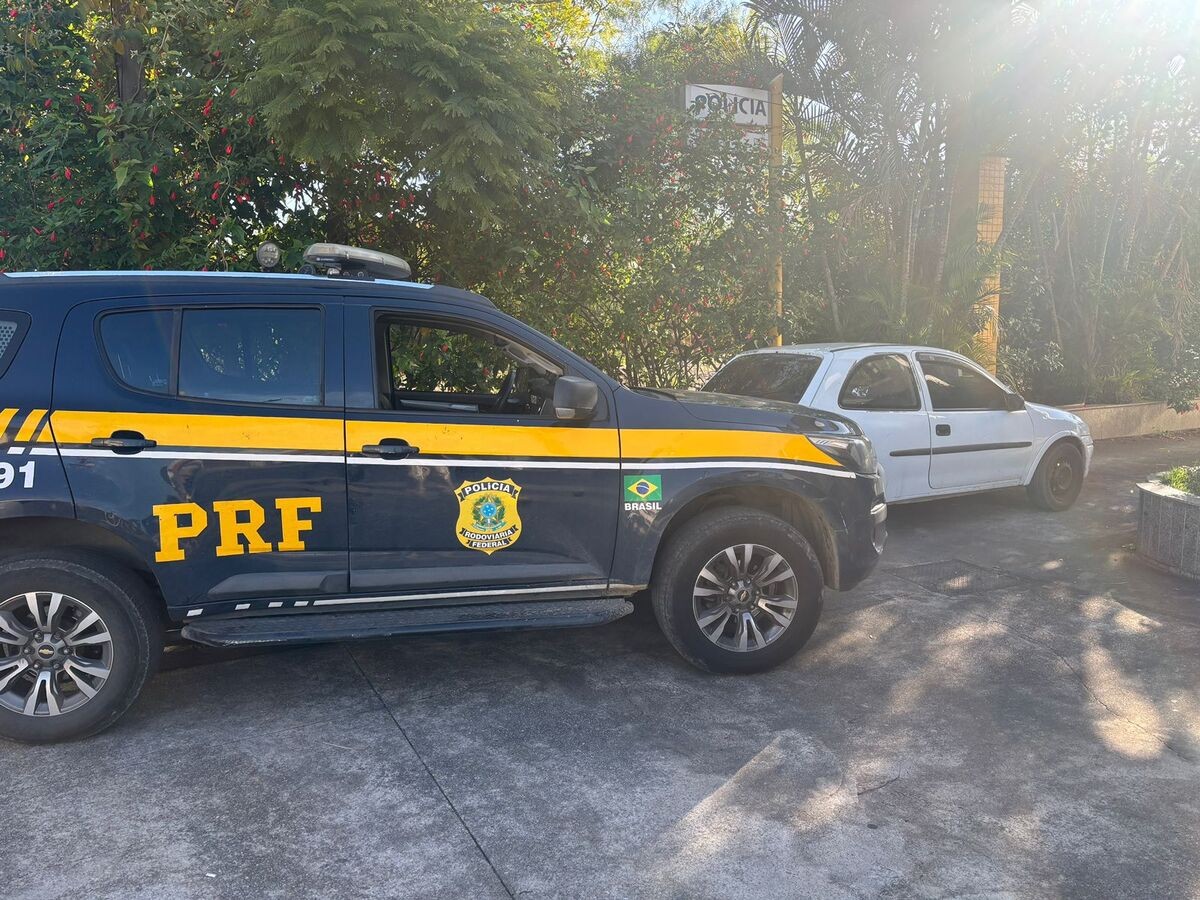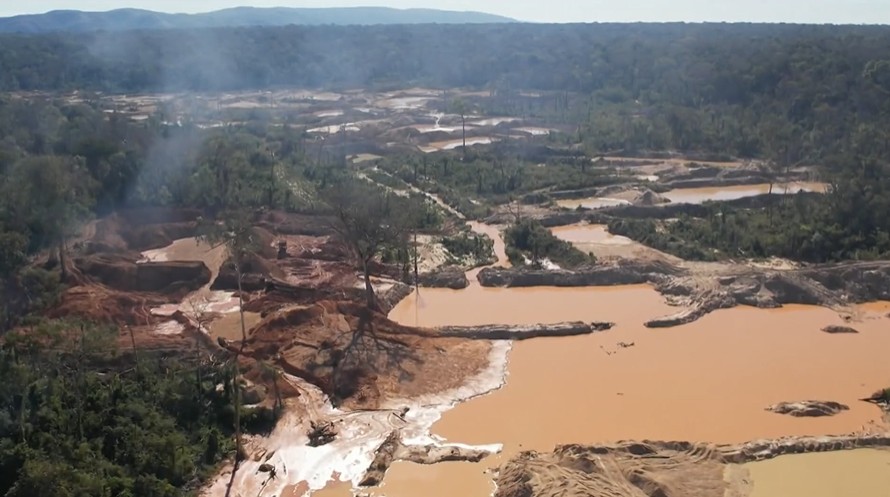
Seizure and destruction of materials cause losses of more than R$90 million to illegal mining in the Sararé Indigenous Land in MT
⚡ Quick Summary
Federal government operations in the Sararé Indigenous Land, in Mato Grosso, have caused an estimated loss of R$93.3 million to illegal mining since the end of March.
Federal government operations in the Sararé Indigenous Land, in Mato Grosso, have caused an estimated loss of R$93.3 million to illegal mining since the end of March. According to the task force, made up of ministries, security forces and federal agencies, 1,090 integrated actions were carried out in indigenous territory. The location became the territory with the highest number of illegal mining alerts in Brazil according to Operação Amazônia Nativa (Opan).
Between March and June, 124 people were taken to the Federal Police Station. Of this total, 45 were arrested in the act for involvement in illegal mining activities or for having equipment, inputs and materials used in irregular gold exploration within indigenous land.
According to the balance sheet, the value corresponds to the destruction or seizure of structures used in criminal activity. Among the unused or seized equipment are:
✅ Click here to follow the g1 MT channel on WhatsApp
29 hydraulic excavators;
284 generators;
345 small machines;
726 mining engines;
81 motorcycles.
Data from the coordination of the operation, under the responsibility of the Civil House, also indicates the seizure of more than 1.5 tons of explosives during the period. According to the federal government, the material was used in the so-called "lode mining", a method that uses explosives to drill the ground, fragment rocks and extract gold.
According to the task force, the practice poses high risks, with the possibility of collapses and serious accidents, in addition to being used to try to hinder inspection.
READ ALSO
Operation destroys 150 excavators and causes losses of more than R$226 million to mining in the Sararé Indigenous Land in MT
VIDEO: miners who exchanged fire with Ibama hid in bunkers filled with beer and cachaça in MT
Exploration history
Faction enters into illegal mining, which continues to advance on indigenous land in Mato Grosso
The Sararé Indigenous Land is home to 201 indigenous people of the Nambikwara people, distributed across seven villages. The territory covers around 67 thousand hectares, of which 4.2 thousand hectares were impacted by illegal mining.
Approved in 1985, the area has faced, in recent years, conflicts related to clandestine gold exploration. According to the federal government, the disintrusion operation seeks to guarantee the safety of indigenous people, protect the territory and contain the spread of illegal activity.
According to Opan, of the 74 areas registered in Funai's geographic base, 69 have mining processes in their immediate surroundings, considering a radius of up to 10 kilometers.
According to the survey, the number of mining processes in Mato Grosso jumped from 5,926 in 2018 to 13,627 in 2025, a growth of almost 130%. In total, these processes cover approximately 22,539,135.89 hectares. Considering that the state has approximately 90,320,699 hectares (903,207 km²), the area already under mining activity corresponds to 24.9% of the territory, an extension comparable to the area of the United Kingdom.
📱 Download the g1 app to see MT news in real time and for free
The largest concentration occurs in the Research Authorization phase, which represents 29% of the total, with 3,918 processes distributed over approximately 9,308,819.47 hectares.
In addition to environmental damage, the survey records an increase in violence in the region, with the presence of criminal factions and reports of gunshots, death threats and attacks on villages. According to the bulletin, the scenario exposes the community to the risk of irreparable damage, characterizing structural and systematic violence.
Pressure around indigenous lands
Sararé Indigenous Land, the territory occupies the fourth position among the TIs with the highest number of nearby mining requirements, totaling 72 active processes. The main mineral of interest in these requests is gold, present in 58 processes, which, together, cover around 143,383.9 hectares. In first place is the Vale do Guaporé Indigenous Land, which concentrates the largest area under the influence of mining processes in its surroundings, with approximately 237,061.77 hectares. Next comes the Escondido Indigenous Land, with 195,355.32 hectares, followed by the Piripkura Indigenous Land, of isolated indigenous peoples, with 157,620.48 hectares.
Task force combats illegal miners in Sararé, the most devastated MT indigenous land in the country
JN Reproduction
🗞️ 3 sources covered this story


📰 Related Articles

BYD Atto 2 is a PHEV hybrid that runs more than 1,000 km and costs R$150,000
CNN Brasil
Police arrest 3 suspects of participating in PCC plan to kill prosecutor
G1 GloboAI drives rent anticipation
Gazeta do Povo
Salvador declares environmental emergency after chemical contamination in São Tomé de Paripe
G1 Globo
Mother tries to save son from being run over and is hit by motorcycle in TO; VIDEO
G1 Globo