Filmmaker Orlando Senna, an audiovisual reference, dies at the age of 86
⚡ Quick Summary
Filmmaker, screenwriter, writer, journalist and cultural manager Orlando Senna, one of the most important names in Brazilian and Latin American cinema, died on Tuesday afternoon (9), at the age of 86.
Filmmaker, screenwriter, writer, journalist and cultural manager Orlando Senna, one of the most important names in Brazilian and Latin American cinema, died on Tuesday afternoon (9), at the age of 86. According to information from family and other people close to him, Senna fell ill on Sunday night (7), after developing bronchopneumonia that caused lung inflammation.
On Tuesday morning, he was taken to an emergency care unit (UPA) in Copacabana, in the south of Rio de Janeiro, where he needed to be intubated. Despite the efforts of the medical team to revive him, the filmmaker did not survive.
Orlando Senna faced health problems that worsened in recent years. His death caused great commotion among filmmakers, artists, cultural managers and admirers of his career.
Biography
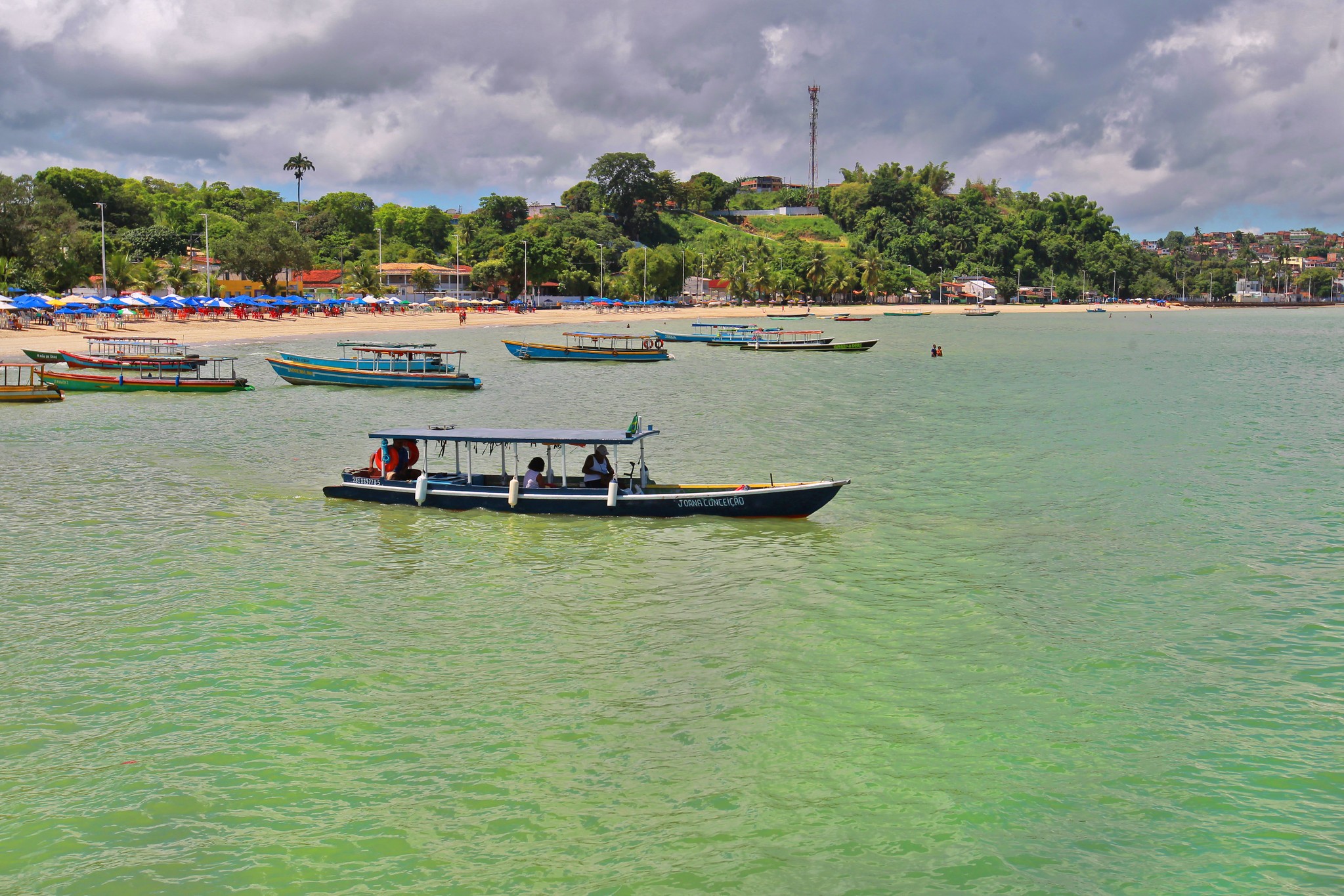
Born in Lençóis, Bahia, on April 25, 1940, Orlando Senna built a decisive trajectory for Brazilian cinema. He directed, wrote and produced works that marked national cinematography, including the classic Iracema, Uma Transa Amazônica, co-directed with Jorge Bodanzky and internationally recognized for its criticism of the social impacts of the occupation of the Amazon during the military dictatorship.
In addition to artistic production, he played a fundamental role in formulating public policies for the audiovisual sector. He was Secretary of Audiovisual at the Ministry of Culture between 2003 and 2007, during the government of President Luiz Inácio Lula da Silva, leading initiatives aimed at democratizing access to public resources for the sector.
He was also general director of Empresa Brasil de Comunicação (EBC) and participated in the implementation of TV Brasil. His performance was recognized by cultural institutions and audiovisual professionals across the country.
Throughout his career, Orlando Senna was also one of the founders of the San Antonio de los Baños International School of Cinema and Television, in Cuba, alongside Fernando Birri and writer Gabriel García Márquez, becoming a reference in the training of new generations of Latin American filmmakers.
On social media, friends, critics and film professionals expressed their sadness at the filmmaker's death. Journalist and film critic Maria do Rosário Caetano wrote: “Goodbye, dear friend. Bahian, Carioca, Cuban. Orlando Senna (1940-2026): filmmaker, writer, screenwriter and cultural manager. He left to find his beloved Conceição Senna. We will keep his unique figure in our hearts and on our retinas.”
Tribute in life
Just over a month ago, Orlando Senna received a tribute during his lifetime during the retrospective exhibition Orlando Senna / Cinema, Brazil and Latin America, held at Caixa Cultural Rio de Janeiro, between April 21st and May 10th. The initiative was organized by curators Diana Iliescu and Sol Moraes and brought together film screenings, debates, exhibitions and meetings with the public.
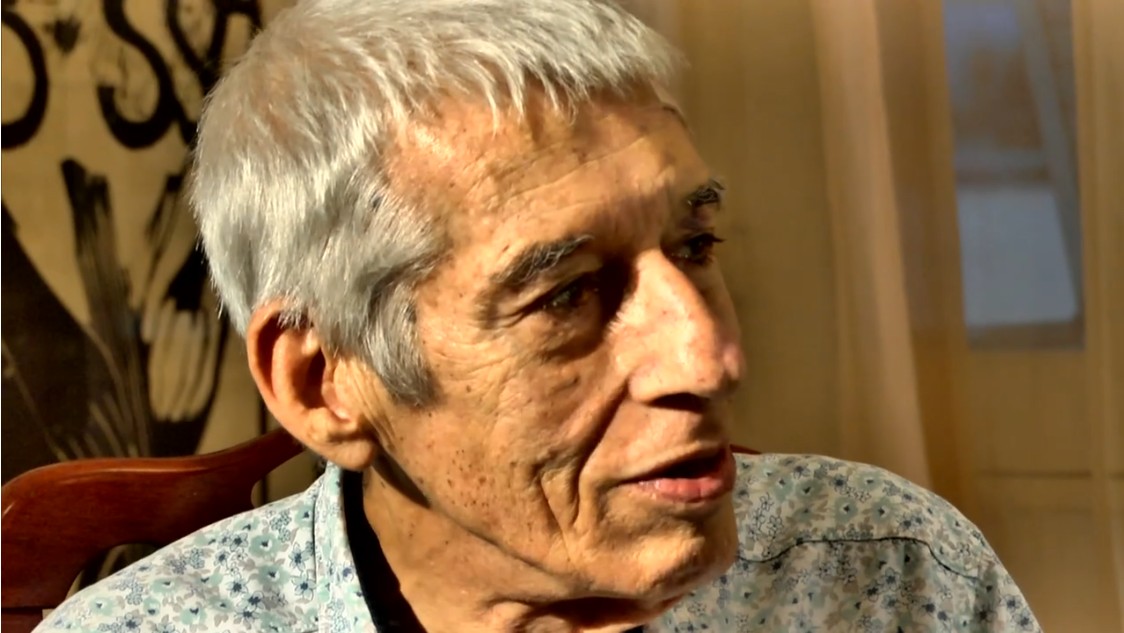
Filmmaker Orlando Senna - Photo: Evaldo Macedo/Archive/Disclosure
According to Diana Iliescu, the tribute had an even more special meaning as it included the active participation of the filmmaker. "We received the news of Orlando's passing with great sadness. He had already been facing health problems, but we were very happy that we were able to carry out this tribute during his lifetime. The exhibition ended just a month ago and he participated in all the debates, received numerous tributes and met many friends again. It was a very beautiful and moving moment", he stated.
Diana recalls that the opening of the exhibition was attended by actor Antônio Pitanga, who moved the honoree. "I saw Orlando cry during Antônio Pitanga's speech. It was a very memorable meeting. And now, recently, Orlando also attended the exhibition dedicated to Pitanga at the CCBB in Rio. There was an exchange of affection and recognition between two great names in Brazilian culture", he highlighted.
The curator defined Orlando Senna as a man of multiple talents and enormous intellectual generosity. "Orlando Senna was a master of many trades: journalist, theater director, writer, screenwriter, filmmaker, educator and public manager. He was the father of many 'cinematic children', a bringer of friends and intellectuals, an encourager of new leaders, always exercising each of his talents with excellence", said Diana Iliescu.
🗞️ 1 sources covered this story
📰 Related Articles

Bella Longuinho reports aggression from her boyfriend and announces end of relationship
G1 Globo
Valentine's Day: see couples who entered into a relationship on the date
CNN Brasil
BYD Atto 2 is a PHEV hybrid that runs more than 1,000 km and costs R$150,000
CNN Brasil
Police arrest 3 suspects of participating in PCC plan to kill prosecutor
G1 GloboAI drives rent anticipation
Gazeta do Povo