


Dog is infected by deadly plague in the United States, agency says
⚡ Quick Summary
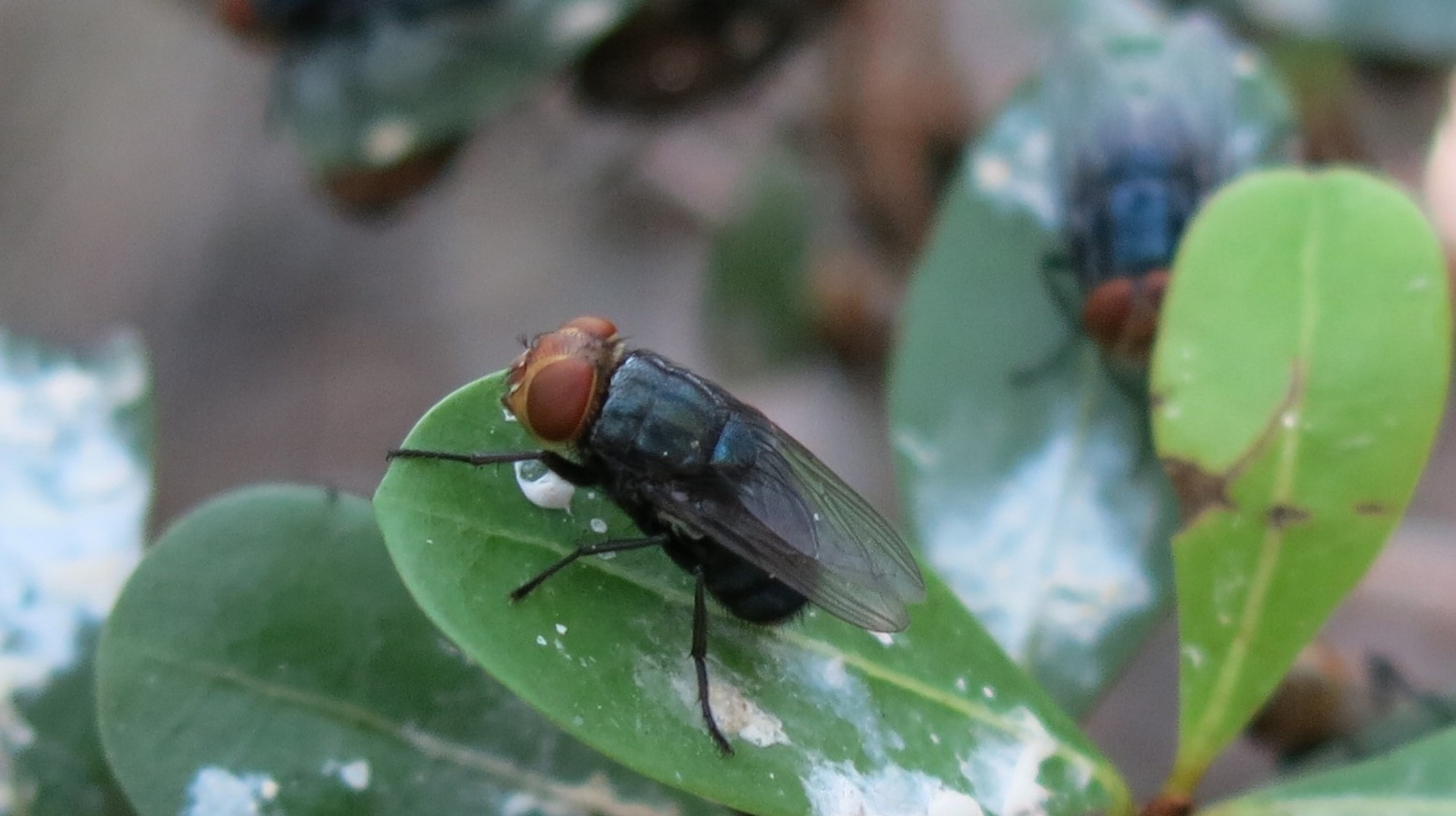
Image of a screwworm fly (Cochliomyia hominivorax). US Department of Agriculture.
Image of a screwworm fly (Cochliomyia hominivorax).
US Department of Agriculture.
According to the Associated Press agency, two more cases of the screwworm fly were confirmed in Texas, United States. This demonstrates the difficulty of stopping the spread of a pest that could potentially devastate the country's livestock industry, the United States Department of Agriculture (USDA) announced this Monday (8).
📱Bookmark g1 on Google and follow the main news of the day
The screwworm fly is actually a larva that feeds on living tissue rather than dead matter. Females lay their eggs in open wounds of any warm-blooded animal, such as cattle, but wild animals, pets, and occasionally even humans can be infested.
The USDA said the new cases were found in a calf and a dog hundreds of miles apart in La Salle and Andrews counties in Texas.
This brings the total number of confirmed cases to four. The screwworm fly was first identified in a three-week-old calf in early June, and a second case was found just a few kilometers away, also in a young calf.
“While we address these occurrences that require immediate attention and continue to collect samples from suspected cases, we are simultaneously working to completely eradicate the pest,” Dudley Hoskins, USDA undersecretary for marketing and regulation, said in a statement.
Before being eliminated from the United States in the 1960s, the fly was an annual warm-weather problem for livestock farmers.
Now on g1
The USDA and the U.S. livestock industry have been preparing for an infestation since the pest was detected in Mexico in late 2024, after decades of being contained as far south as Panama.
The government combats the fly by breeding sterile males, which then mate with wild females, who mate only once during their lives, which last several months.
By mating with sterile males, females no longer produce flies and outbreaks can eventually be stopped.
The USDA has announced plans to increase production of sterile flies at facilities outside the United States while building a fly factory in Texas.
U.S. Secretary of Agriculture Brooke Rollins will receive an update on the infestation Monday afternoon at the U.S. Livestock Insects Research Laboratory in Kerville, Texas.
📰 Related Articles

Baby gets stuck in car hood after being run over in Paraíba; Video shows the moment
G1 Globo
Rio will have an optional point on June 24th due to the World Cup
G1 Globo
12th edition of the Resende Book Fair will have the theme 'The Word is a Right'
G1 Globo
Pope promises changes in the Church in meeting with victims of sexual abuse in Madrid
CartaCapital
Elections in Peru: Roberto Sánchez turns on Keiko Fujimori with 93% of the votes counted
G1 Globo