Iran says US bears direct responsibility for recent ceasefire violations
⚡ Quick Summary
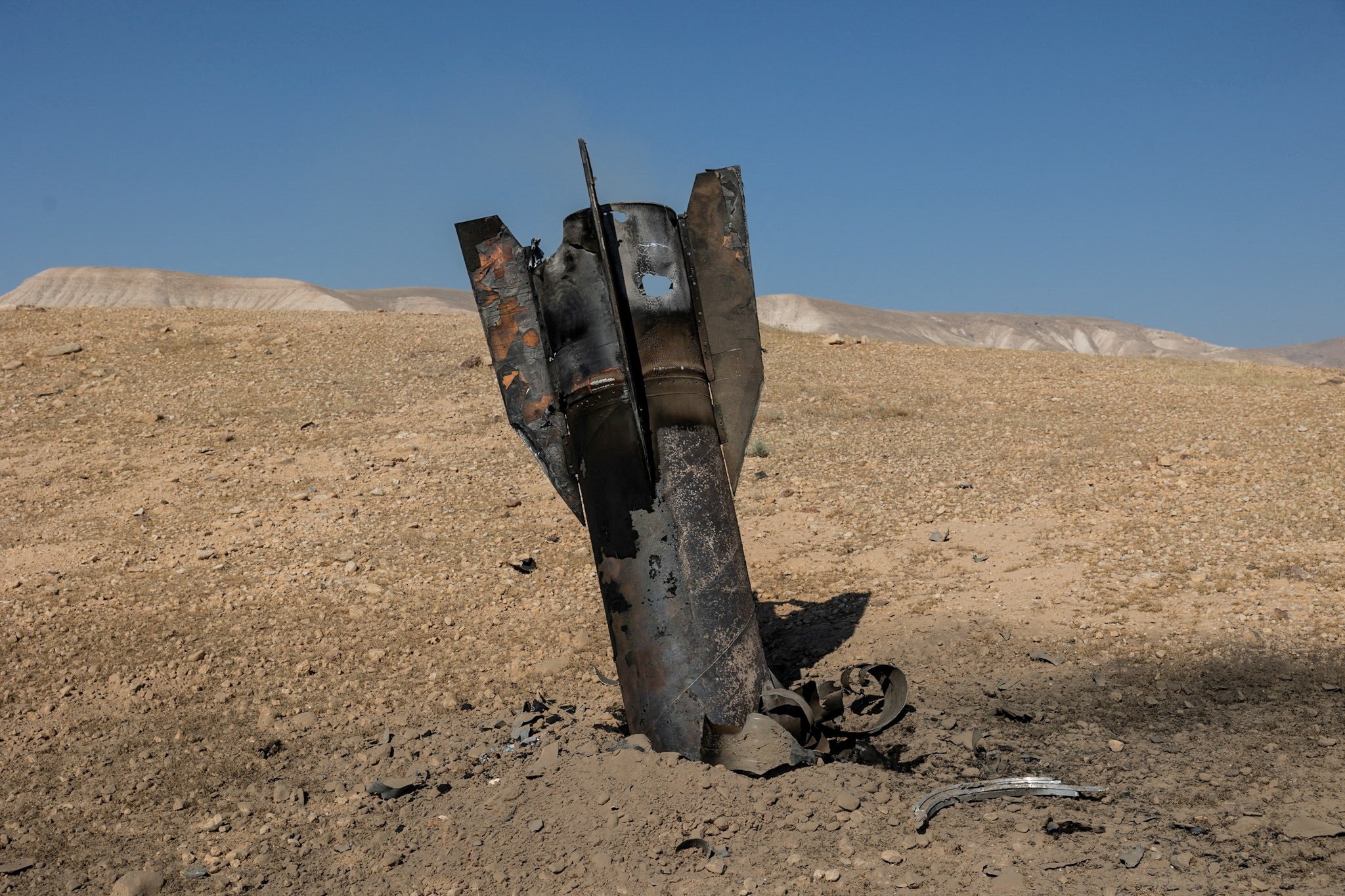
Part of a missile protrudes from the ground, after attacks from Iran, in the central region of the West Bank occupied by Israel, on June 8, 2026.
Part of a missile protrudes from the ground, after attacks from Iran, in the central region of the West Bank occupied by Israel, on June 8, 2026.
REUTERS/Naama Stern
Iran blames the United States for the most recent exchange of attacks with Israel and that Israeli actions cannot be dissociated from American policies. The statement was made by the spokesperson for the Ministry of Foreign Affairs, Esmaeil Baghaei this Monday (8).
According to Baghaei, the new attacks only worsen the "chaotic diplomatic process" with the United States and further increase Tehran's distrust of Washington.
✅ Follow the g1 international news channel on WhatsApp
Esmaeil Baghaei added that the US bears direct responsibility for recent ceasefire violations and that Israel does not take independent action without consulting Washington.
Earlier, Israel carried out attacks on "military targets" in Iran on Monday morning (Sunday night, 7th, Brasília time), according to the American website Axios.
Iran confirms it fired missiles at Israel base
Explosions were heard in Tehran, Tabriz and Isfahan, according to Al Jazeera TV network.
The bombings represent an escalation of warfare in the region and the definitive breach of the ceasefire established in April in the region. It is the first time since April that Israel and Iran have attacked each other.
This is also the second time in less than 24 hours that Israel has challenged Donald Trump and carried out attacks on countries in the region.
"The Israeli Air Force attacked military targets belonging to the Iranian terrorist regime in western and central Iran recently," the Israeli forces said on their social media.
Trump tried to establish a ceasefire between Israel and Hezbollah, which operates in Lebanon, during the week. Israel violated the agreement, however, by bombing Beirut.
Following Israeli attacks on the Lebanese capital, Beirut, Iran launched a series of missiles towards Israel this Sunday (7).
US President Donald Trump then called Benjamin Netanyahu, the Israeli Prime Minister, asking for there to be no military response against Tehran.
Speaking to the Financial Times newspaper, Trump said that Netanyahu had "no option" but to accept the peace agreement between Washington and Tehran, as it is he, Trump, who "calls the shots" — the agreement is in the negotiation phase and has not yet been signed.
"We're close to a final [peace] deal with Iran, I don't want to screw it up because of what's going on right now," Trump said earlier on Axios.
There are no reports of injuries from Iranian bombings. Images on social media show interceptions of the Iron Dome system in skies controlled by Israel.
Iran's Revolutionary Guards said they fired on an Israeli military base.
Shortly after the wave of missiles, Netanyahu said he would counterattack Iran's retaliation. Trump, however, spoke out against the retaliation.
US bases become targets
The Israeli attack, which broke the truce in Lebanon, hit buildings in a Beirut suburb that Israel said housed Hezbollah terrorists planning an attack.
Iran said that the 19 US bases in the Middle East were once again "legitimate targets" — the US has military bases in countries in the region such as the United Arab Emirates, Oman, Saudi Arabia, Iraq and Egypt (see map below). The threat was also extended to Israeli assets in the region.
Following Tehran's demonstration, Iraq said it would close its airspace and suspend aircraft navigation services for 72 hours. Iran also closed its airspace.
The announcement was made by Iran's main negotiator in talks with the US, Mohammad Qalibaf, who is also president of the Iranian Parliament and one of the central figures of power in the country.
"They are not committed to a ceasefire nor do they believe in dialogue and, through the naval blockade and violation of agreements relating to Lebanon, they have demonstrated that they only understand the language of power," Qalibaf said in a post on his social media. Map shows US military bases in the Middle East.
Kayan Albertin/Arte g1
Challenge to Trump
Israel's attack on Lebanon was also a challenge to US President Donald Trump, who assured last week that Israel would not bomb Lebanon again. The disagreements between allies the USA and Israel over Lebanon even generated a discussion between Trump and Israeli Prime Minister Benjamin Netanyahu.
The US president confirmed that he had called Netanayhu "completely crazy" because of Israel's attacks in Lebanon and criticized the incursions.
Trump was referring to the constant attacks that Israel has made on neighboring Lebanon amid the ceasefire in force in the Middle East conflict. Pakistan, which mediated the negotiations, and Iran insist that Lebanon was included in the truce, while the US and Israel insist that only attacks on Iranian territory and the Persian Gulf countries.
Furthermore, last week, the American president stated that Israel and the terrorist group Hezbollah agreed to a truce in attacks in Lebanon and northern Israeli territory. Israel fights in Lebanon against Hezbollah, the Lebanese terrorist group that is financed by Iran and carries out constant attacks in northern Israel.
🗞️ 4 sources covered this story

Trump says Israel and Iran seek ceasefire and talks about a close agreement
CNN Brasil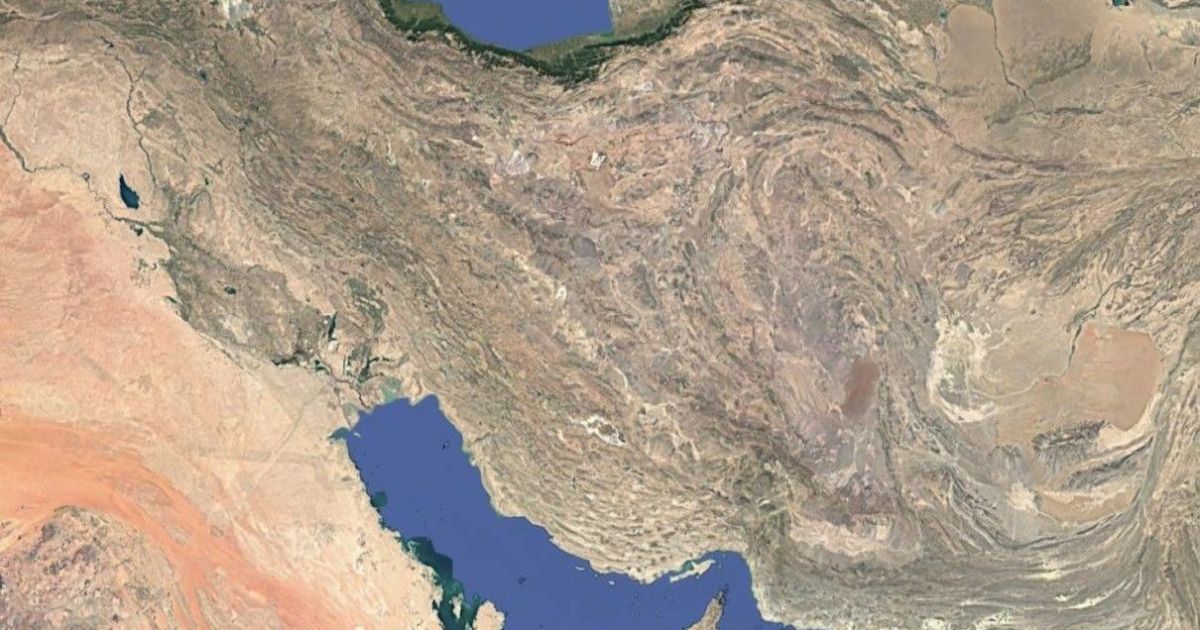
Israel says it attacked military targets in Iran
CNN Brasil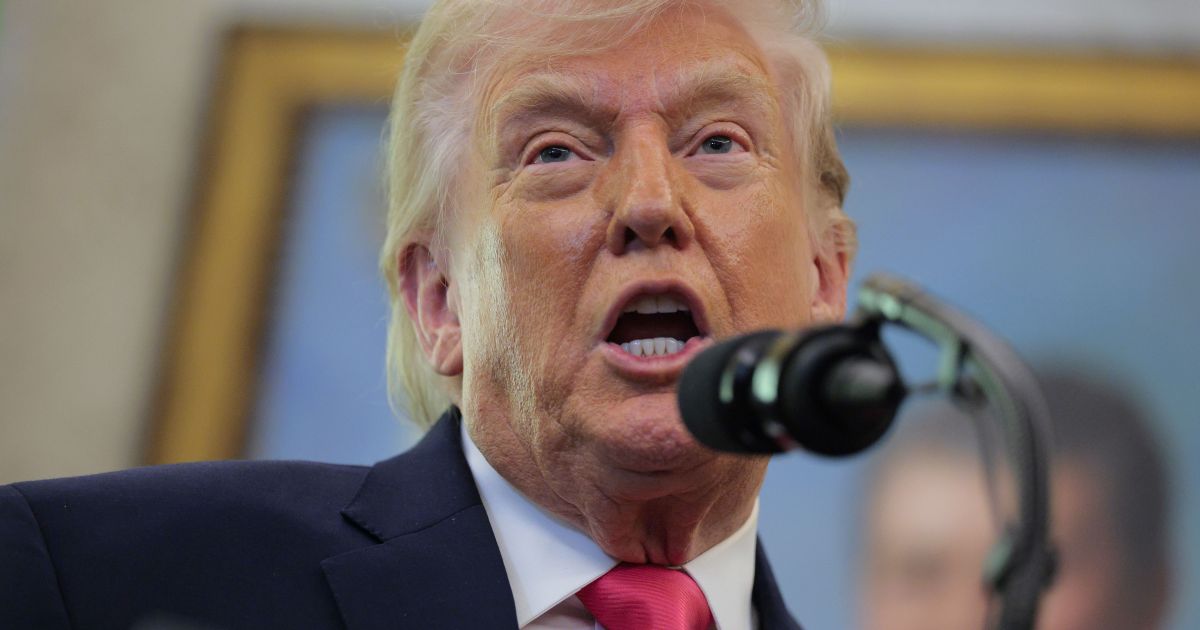
Trump says Netanyahu “doesn’t call the shots” and will have to accept a deal with Iran
CNN BrasilTrump says Netanyahu "doesn't call the shots" and will have to accept deal with Iran
CNN Brasil📰 Related Articles
Trump says Israel and Iran seek ceasefire and talks about a close agreement
CNN Brasil
Houthis ban Israel from sailing in the Red Sea
Observador
Hearings of instructions for nursing technicians accused of deaths at Hospital Anchieta should take place this Monday (8)
G1 Globo
The dream commands the lives of those born between wars
Observador
'Guardians' of Creole corn: learn about the activity carried out by women that preserves traditional seeds in the interior of SP
G1 Globo