


Football: exhibition tells the story of the Canarinho shirt
⚡ Quick Summary
On that July 16, 1950, at Maracanã, the Brazilian fans fell silent in disbelief. The Uruguay team won the game 2-1 and became World Cup champions over Brazil.
On that July 16, 1950, at Maracanã, the Brazilian fans fell silent in disbelief. The Uruguay team won the game 2-1 and became World Cup champions over Brazil. That match became known as Maracanazo and was also the last time that the Brazilian team wore white as their home shirt in a World Cup.
From then on, Amarelinha, the iconic yellow “canarinho shirt”, came onto the scene. It emerged after a national competition created by the Brazilian Sports Confederation (CBD) and the newspaper Correio da Manhã to replace the Brazilian team's uniform, which until then was white.
Related news:
Football Museum launches exhibition on Brazilian team shirts.
One of the requirements of the competition was that the uniform had the four colors of the national flag. The winning proposal was that of Aldyr Schlee, who suggested the use of golden yellow on the shirt, with a green collar and cuffs, and cobalt blue shorts. The white was just on the socks.
“Aldyr Schlee, then 19 years old, a draftsman from Rio Grande do Sul who studied law, made 100 different sketches until he arrived at the final idea”, explained Marcelo Duarte, curator of the exhibition.
The exhibition features 18 legendary shirts from the Brazilian team. Nilton Fukuda/Disclosure
Amarelinha's debut took place on February 28, 1954, in a 2-0 victory over Chile, in a Swiss Cup qualifying match. The World Cup debut took place on June 16, 1954. And, since then, this model has never stopped being the number 1 shirt of the Brazilian team.
"And then we started to realize that the yellow jersey was bringing us luck. In 1962, we were champions again [using Amarelinha], explains Duarte.
“People started to associate that joy of football with Brazilianness or something happy and festive. So, this shirt became a fashion reference.”
Exhibition
All the details of the history of the Canarinho shirt can be seen at the Football Museum, in the capital of São Paulo. On display from this Friday (22), the Amarelinha exhibition presents 18 shirts from legendary Brazilian players such as Sócrates, Rivellino, Ronaldo and Vini Jr.
The exhibition received pieces on loan from five collectors and is divided into three axes: Before Hopscotch; Shirt: clothing, expression, document; and National Teams and World Cups. There are 18 original World Cup shirts from 1958 to 2022, including the legendary one worn by King Pelé in the 1970 World Cup final, against Italy, when Brazil won their third title.
Amarelinha runs until September 6th. Tickets cost R$24, but are free on Tuesdays. More information is available on the website https://museudofutebol.org.br/.
“We know that fans love shirts, they love seeing shirts, even more so during the World Cup. And despite the politicization that took over the yellow shirt for a while, it is a symbol of the country throughout the world”, highlighted Duarte.
Evolution in tissue
Exhibition tells the story of the Canarinho shirt. Nilton Fukuda/Disclosure
One of the stories about this shirt, which is now told by the museum, deals with the evolution of the fabric, according to the technical director of the Football Museum, Marília Bonas.
Identity
Anyone who has ever worn the Canarinho shirt on the field knows what it represents. Even more so after being champion. For former player Mauro Silva, who represented Brazil in the 1994 World Cup, the yellow shirt goes beyond Brazilian borders.
“This shirt is a heritage not only of Brazilian football, but of the world because the admiration for this shirt transcends the Brazilian people. It became identification.”
On the eve of another World Cup, former midfielder Mauro Silva says he hopes the current Brazilian team continues to preserve this legacy. “My expectation is that the team will honor this shirt and that this shirt will later come here for the exhibition.”
📰 Related Articles
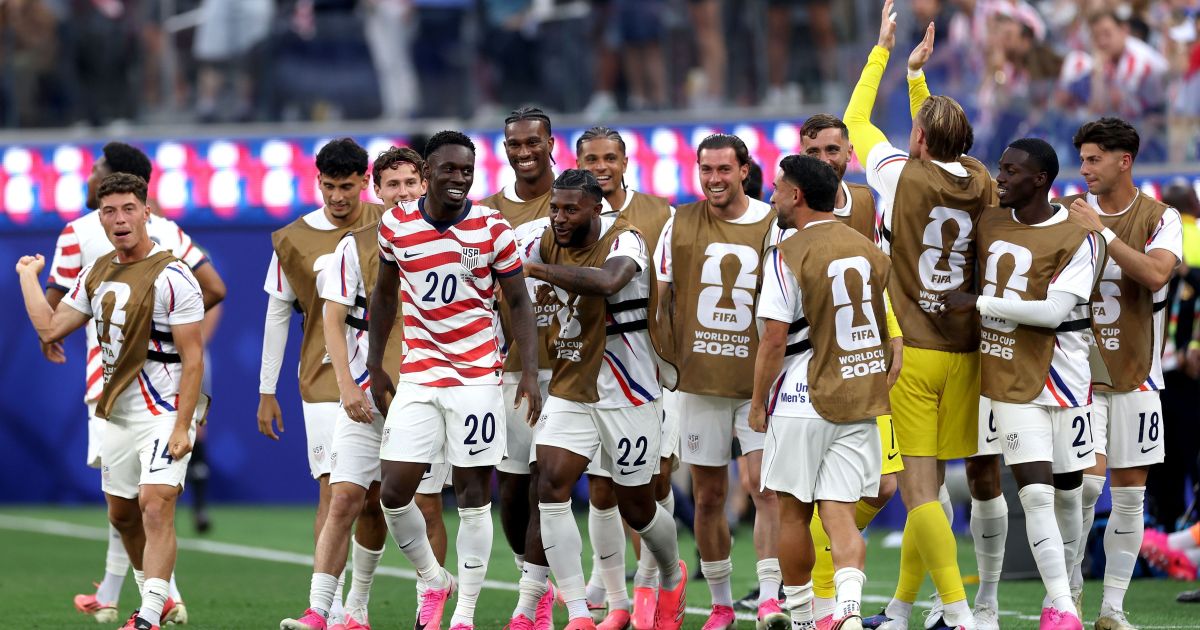
With “Brazilian” goals, the United States beats Paraguay in their World Cup debut
CNN Brasil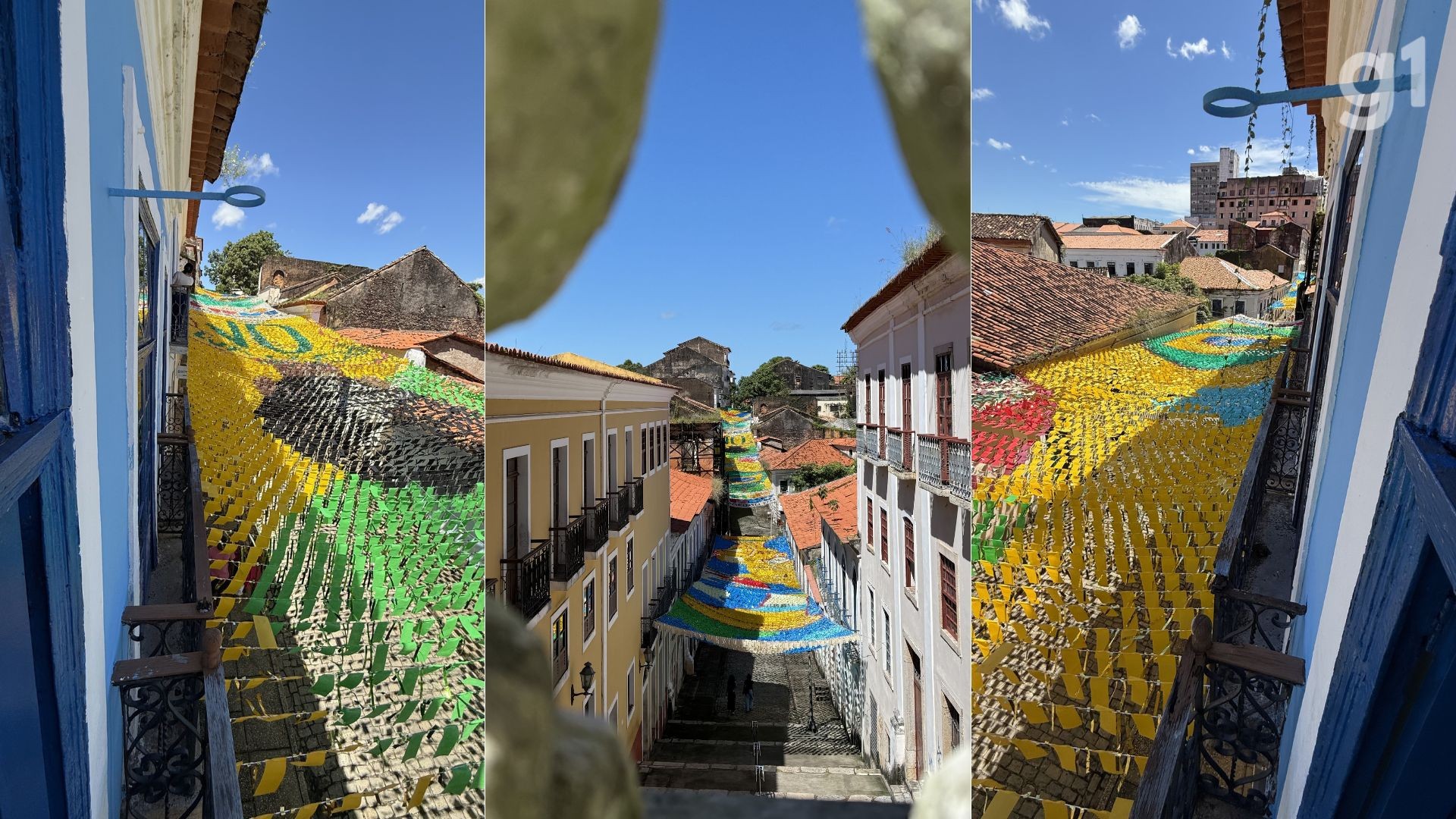
São João and the World Cup: streets of São Luís receive decoration that combines June tradition and hexa fans
G1 Globo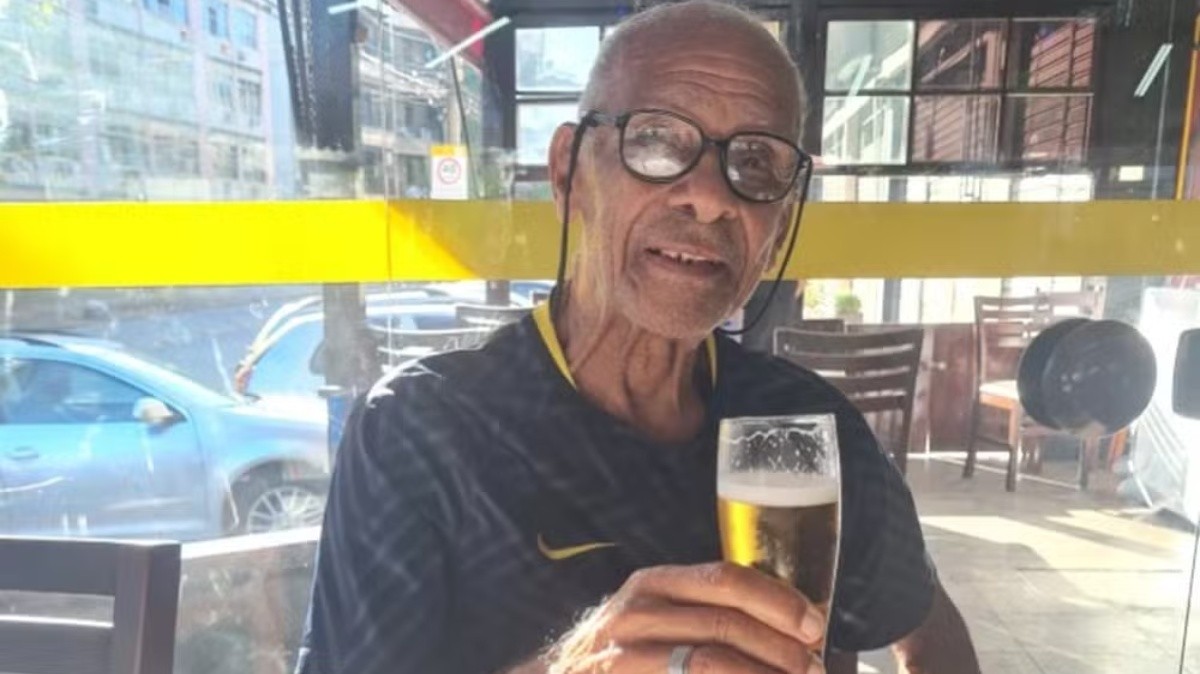
Corpo de Brito, world champion with the Brazilian team in 1970, will be buried this Saturday
G1 Globo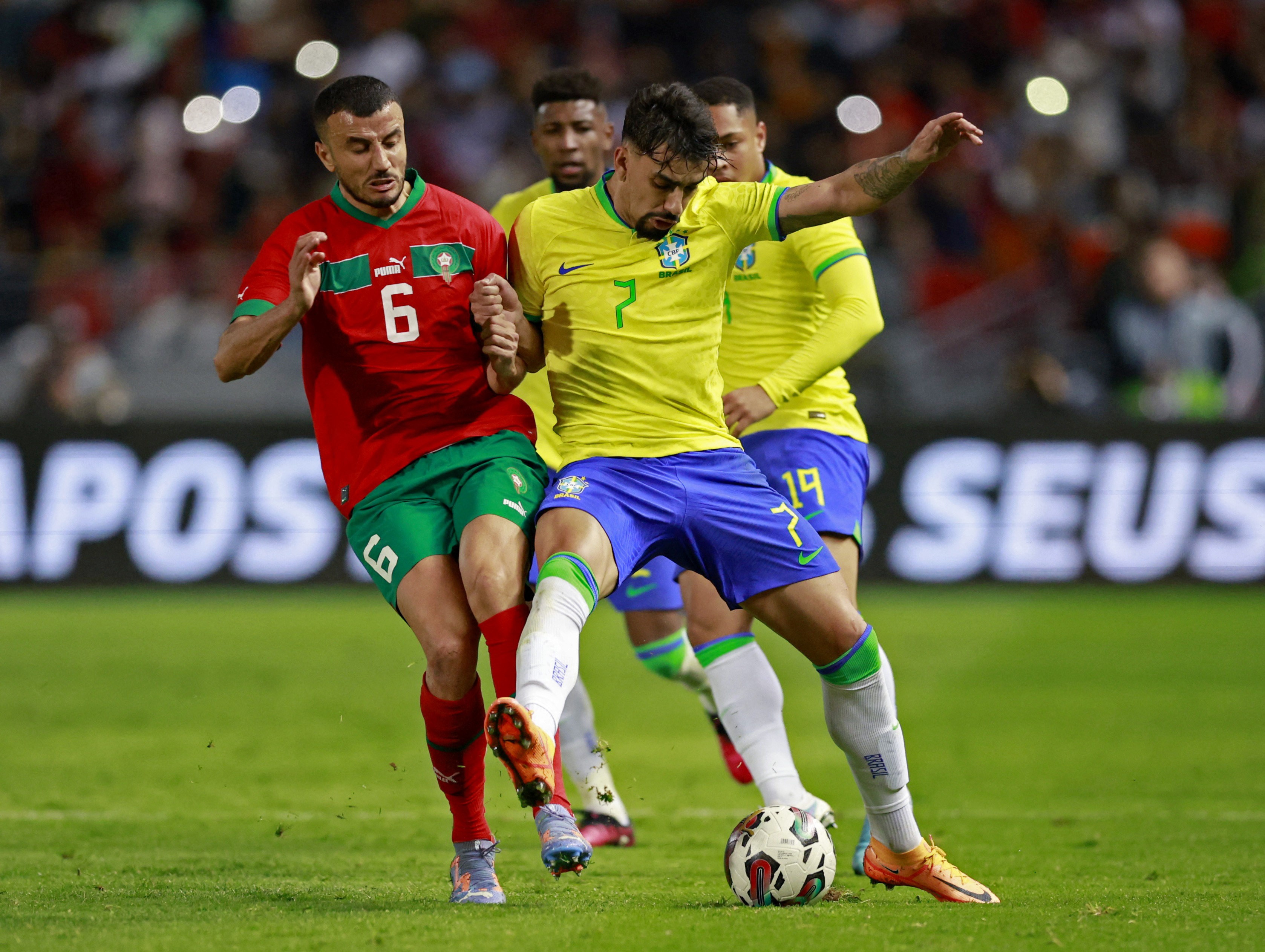
Different but equal: words that bring Brazil and Morocco closer beyond football
G1 Globo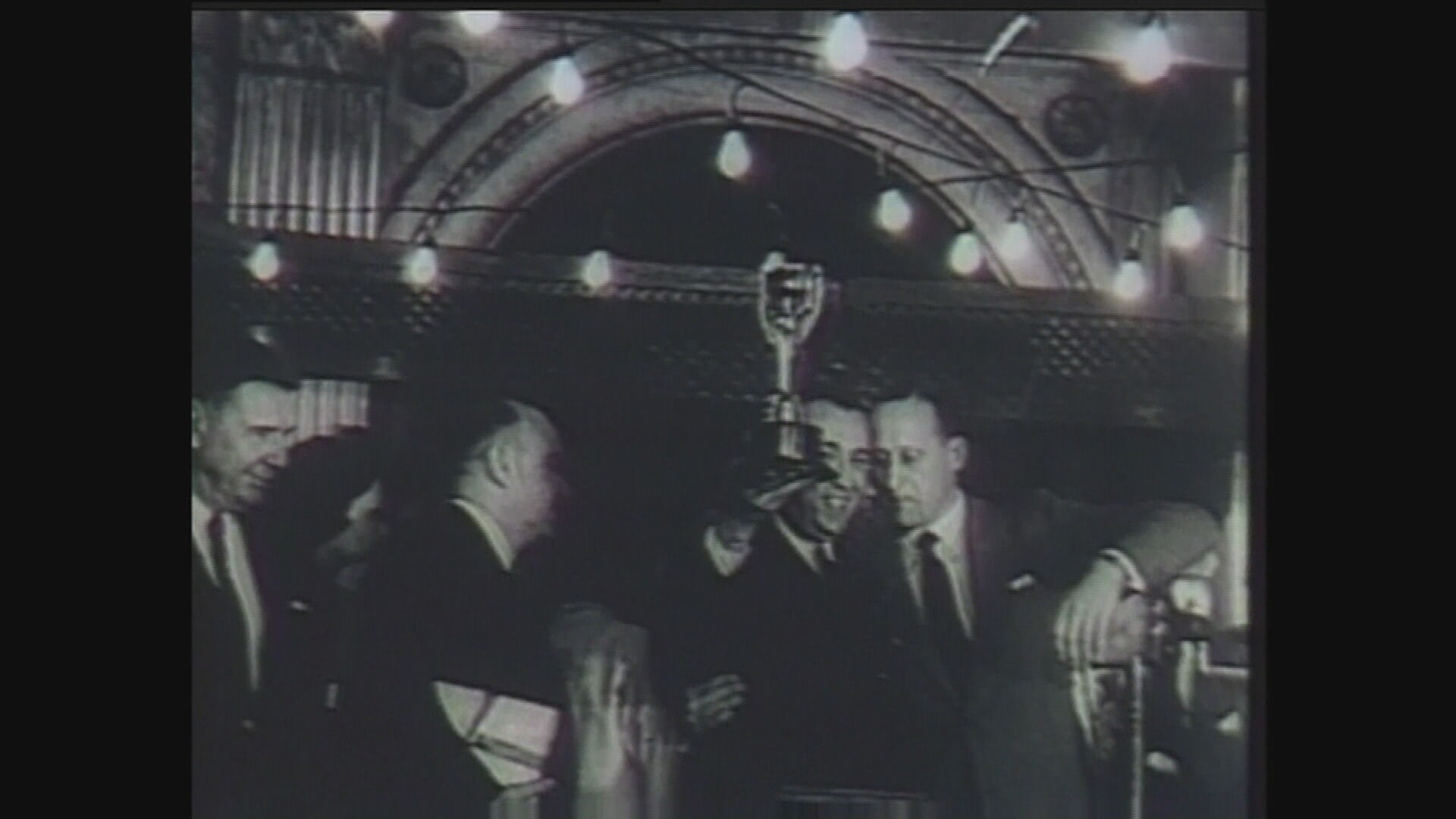
From Pelé to Neymar: how football and politics in Brazil intersect in the World Cups
G1 Globo