US launches fresh strikes on Iran, Tehran targets American assets in Gulf states in flareup over Hormuz
⚡ Quick Summary
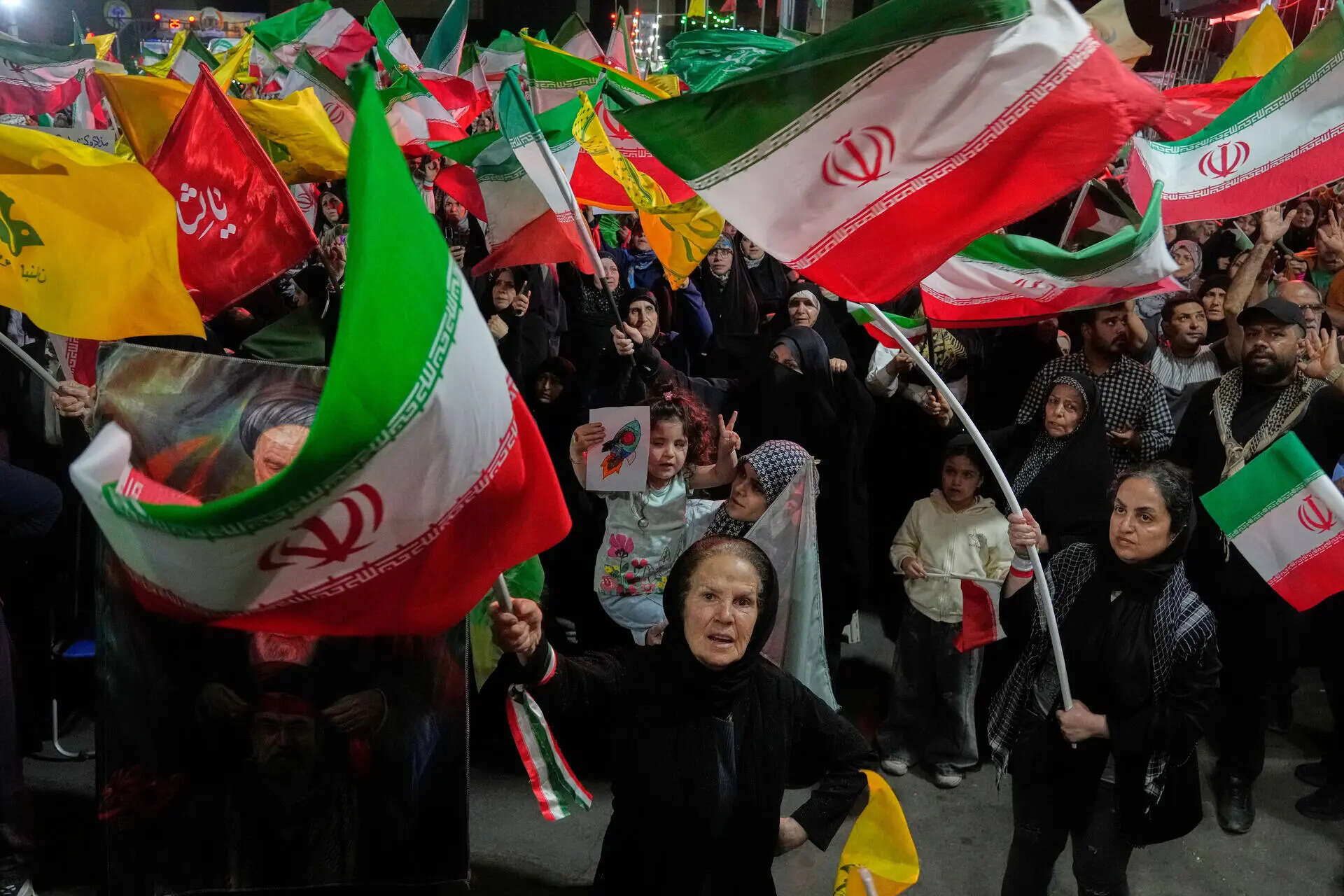
The United States struck Iran on Monday for a second day running, drawing Tehran’s reprisals against US allies in the Gulf as the foes battle over the status of the strategic Strait of Hormuz.
The United States struck Iran on Monday for a second day running, drawing Tehran’s reprisals against US allies in the Gulf as the foes battle over the status of the strategic Strait of Hormuz.
The flare-up is the latest to undermine an interim agreement between Washington and Tehran aimed at ending their war, which has caused global economic shockwaves since it began in late February.
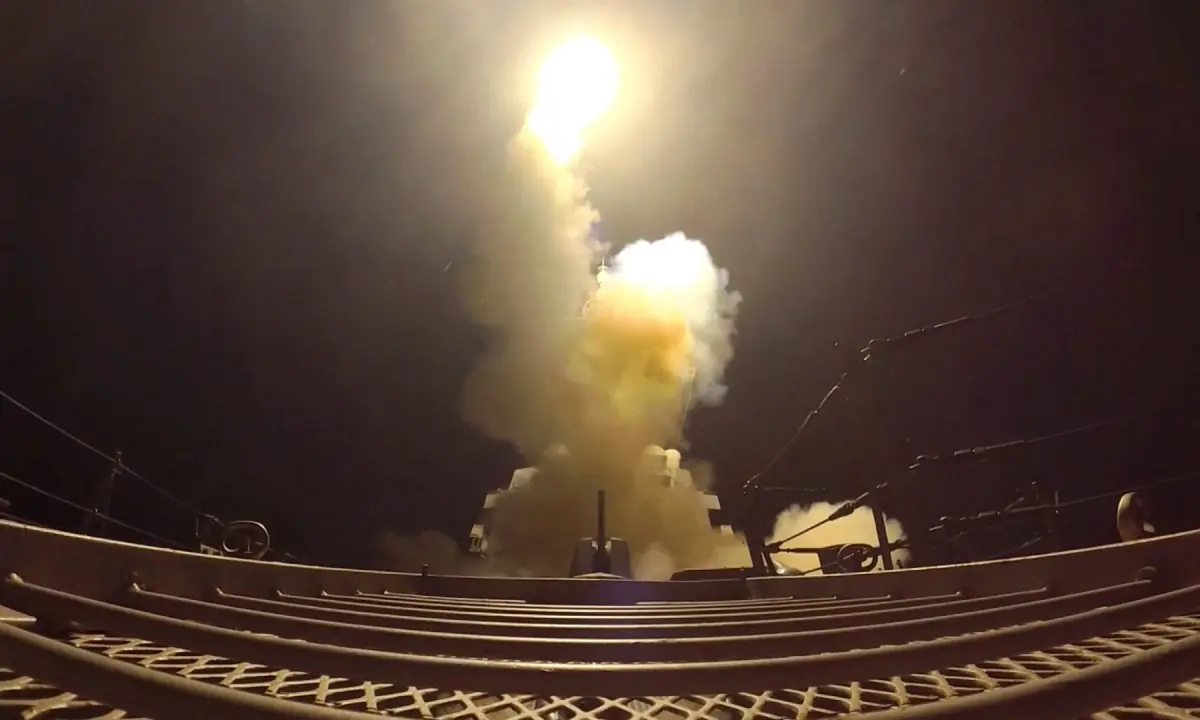
The latest salvo by US forces began at 2100 GMT on Sunday, Central Command (Centcom) said on X. The fresh strikes came less than 24 hours after a previous wave in which the US Centcom said 140 Iranian military targets were hit.
In a subsequent post, Centcom said it had completed a new wave of “offensive strikes” against Iran, hitting “dozens of targets at multiple locations with precision munitions to degrade Iran’s ability to continue attacking international shipping flowing through the Strait of Hormuz”.
“Centcom forces struck Iranian military air-defence systems, coastal radar sites, missile and drone capabilities, and small boats using US fighter aircraft, naval vessels, one-way attack aerial drones, and one-way attack sea drones for the first time,” it added.
The Centcom reiterated its assertion that Iran did not control Hormuz and US forces “are postured and prepared to ensure that freedom of navigation remains available to commercial shipping despite Iran’s continued unwarranted aggression, harassment, threats, and arbitrary declarations”.
Iranian state media reported that the latest US strikes targeted large areas across southern and western Iran, including Qeshm island and Bandar Abbas near the Strait of Hormuz, and in Khuzestan province bordering Iraq.
An Iranian official says the US strikes hit an agricultural water pumping station in Mahshahr city in southwestern Iran, according to state media.
One person was killed and four others injured, the deputy governor of Khuzestan province told the IRNA news agency.
Attacks in Gulf countries
Meanwhile, Iran’s Revolutionary Guards Corps (IRGC) said they had struck US military targets and bases in Jordan, Bahrain, Kuwait and Oman.
IRNA cited several statements released by the Guards saying they had attacked Prince Hassan Air Base in Jordan, a US military drone command centre in Bahrain and airbases including Ali Al Salem in Kuwait.
The IRGC also said its missile and drone attacks had set fire to fuel storage tanks and ammunition depots on the Jordanian base used by the US military.
It said missiles and drones hit Jordan’s Prince Hassan Air Base. The attack was the first phase of the response to the latest US strikes.
It also said that a military base at Bahrain’s Sheikh Isa was hit in the second phase of the retaliatory operation.
The US Fifth Fleet headquarters is in Bahrain, but it is not at Sheikh Isa, which is a Bahraini base. However, the base has hosted US military operations and aircraft.
Revolutionary Guards also claimed attacks on Ali Al Salem and Ahmad Al Jaber military bases in Kuwait. Both these bases are Kuwaiti but host the US military.
In another statement, it said its naval forces targeted and destroyed US military facilities in Jafirah, Bahrain, and radar systems in Oman as part of reciprocal actions.
It also said an air defence unit destroyed a Low-Cost Uncrewed Combat Attack System (LUCAS) drone belonging to the US military near the Iranian port city of Bandar Abbas on Monday, Mehr News reported.
There was no immediate US response to the statement.
The IRGC statement also said that ending US military interventions in the Strait of Hormuz was the only way to restore vessel passage.
It warned that continued interference could lead to greater incidents in the global oil and gas sector.
Oil prices, which have tumbled since the announcement of the agreement, rose over 3.5 per cent when futures trading opened on Monday in Tokyo, with the US benchmark WTI jumping above $74 a barrel.
Back and forth strikes
On Sunday evening, Iran reported strikes on two of its southern islands while Kuwait, where Tehran has repeatedly targeted US installations, said border posts and an offshore oil platform had been attacked.
The renewed fighting followed what Iran described as a warning shot on a commercial ship in the Strait of Hormuz. The vessel’s crew was forced to abandon it after it went up in flames.
Iran’s Revolutionary Guards said after the incident that “the Strait of Hormuz would be closed until further notice and until the end of American interventions in this region,” according to state news agency IRNA.
The US Centcom countered on X that the strait was “open to all vessels seeking to lawfully transit”. The military command added that US forces were “positioned and prepared to ensure” freedom of navigation, claiming: “Iran does not control the strait. Traffic is flowing.”
Ship-tracking data from Kpler showed six vessels passed through the strait on Sunday — the lowest number in five weeks.
Iranian state media reported explosions in several port cities on Sunday.
In response, the IRGC said it had destroyed a command-and-control centre and drone hangars in US ally Jordan, targeted a US radar site in Kuwait, attacked US aircraft carrier support and refuelling platforms in Oman, and destroyed a jet maintenance centre and command facility in Qatar.
Mediators, including Pakistan, have been trying to salvage a diplomatic solution to end the war after President Donald Trump this week declared that a ceasefire agreed with Iran after the signing of the interim accord on June 18 was over.
Deputy Prime Minister and Foreign Minister Ishaq Dar called for “de-escalation” on Sunday during a phone call Iranian Foreign Minister Abbas Araghchi.
“Dialogue and diplomacy remain the only viable path to resolving disputes and achieving lasting peace,” Dar said.
UN Secretary General Antonio Guterres also called for peace, with his spokesman saying “these attacks must stop. “
Iran’s foreign ministry said the US attacks on Sunday had “caused the return of insecurity in the Strait of Hormuz” and “have rendered futile all efforts” at establishing peace in the region.
Control of the strategic Strait of Hormuz has become key leverage for Iran, with an adviser to the country’s supreme leader on Sunday saying it was more important than “dozens of atomic bombs”.
📰 Related Articles

Transfer: Man Utd to confirm signing Cristian Orozco
Daily Post Nigeria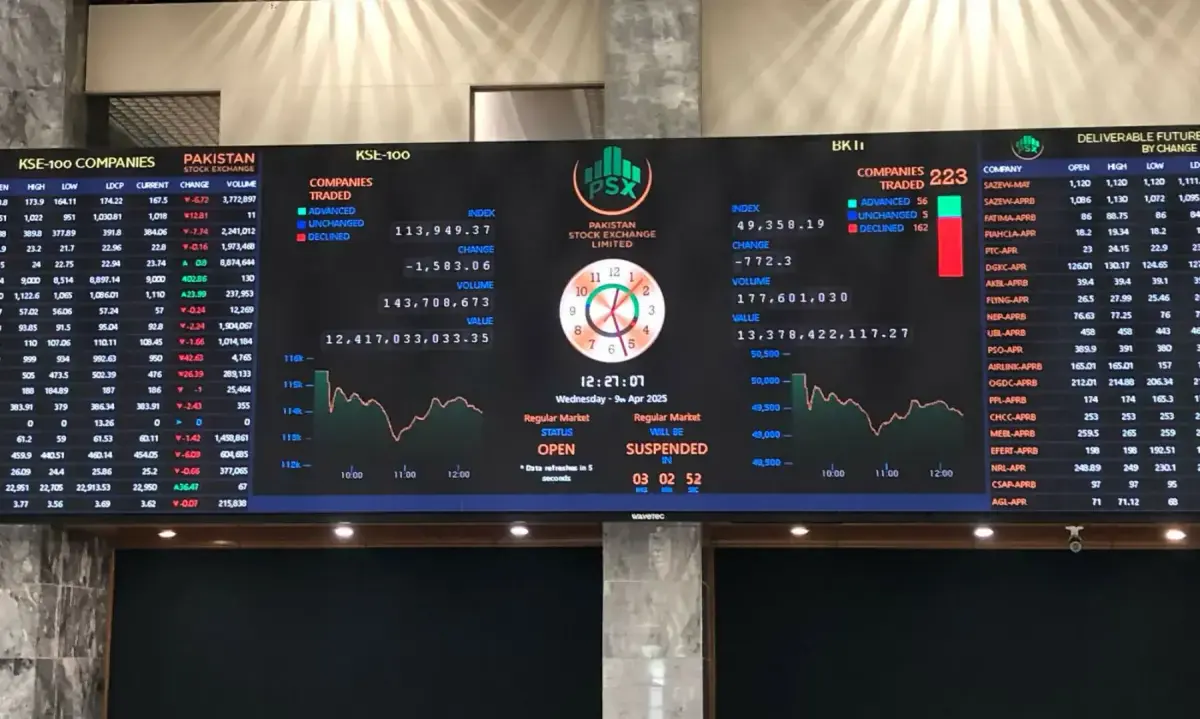
PSX opens week in the red, plummets 1,600 points during intraday trade
Dawn Pakistan
PM Shehbaz reaches Qatar on one-day visit to condole death of ex-emir Sheikh Hamad
Dawn Pakistan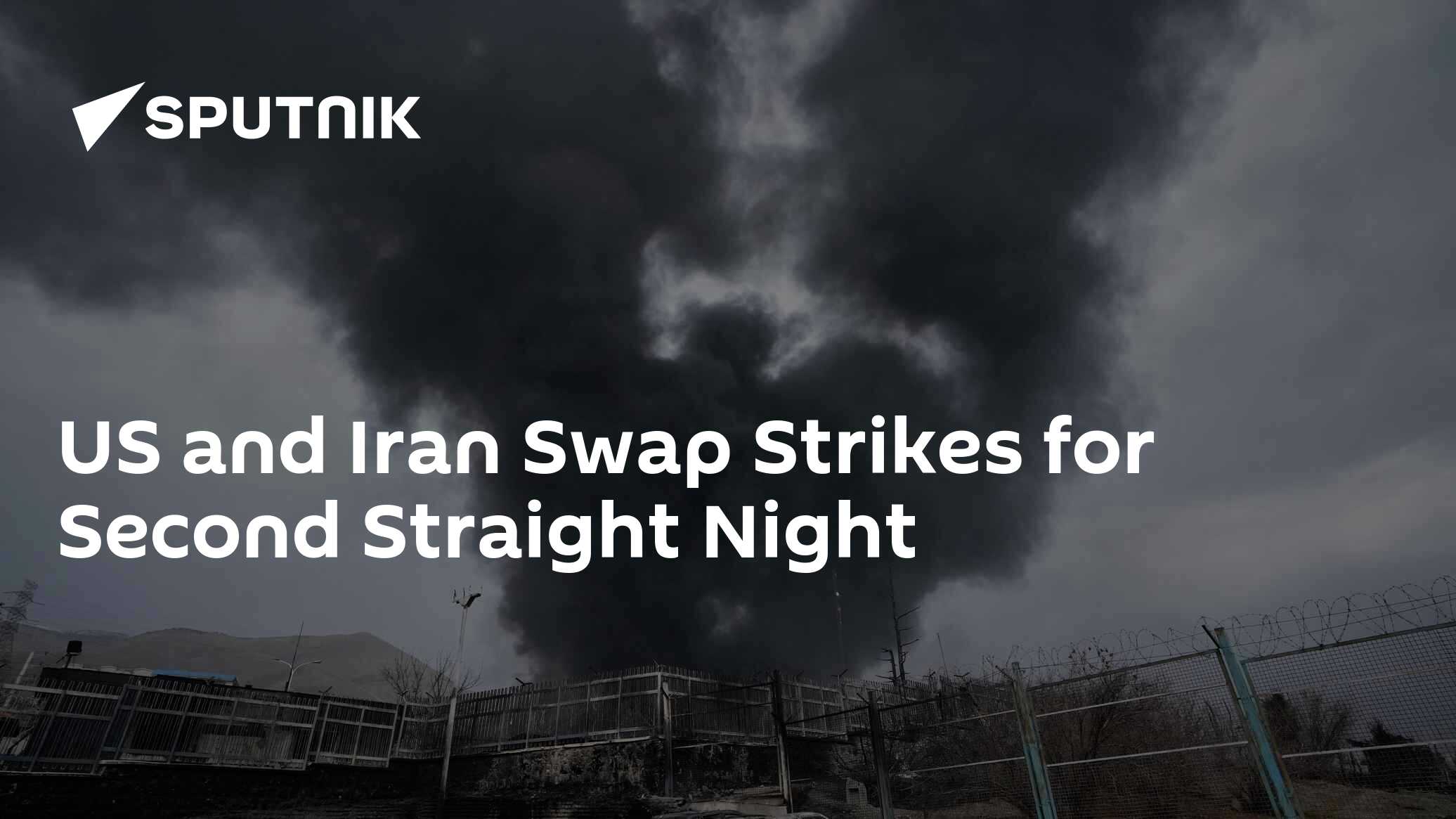
US and Iran Swap Strikes for Second Straight Night
Sputnik InternationalNo country can impose its will on the region, Egypt’s FM stresses
Egypt Independent