


Entities consider the Selic rate reduction insufficient
⚡ Quick Summary
The 0.25% percentage point reduction in the economy's basic interest rate, the Selic, was considered insufficient by entities such as the National Confederation of Industry (CNI) and the Central Única dos Trabalhadores (CUT).
The 0.25% percentage point reduction in the economy's basic interest rate, the Selic, was considered insufficient by entities such as the National Confederation of Industry (CNI) and the Central Única dos Trabalhadores (CUT).
For representatives of industry and workers, the cut in interest rates is incapable of reversing “the situation of investment stagnation” and does not meet “the urgent needs of the country and the Brazilian people”.
Related news:
Copom reduces Selic rate to 14.25% per year.
The decision to reduce the Selic from 14.50% to 14.25% per year was announced this Wednesday (17) by the Monetary Policy Committee (Copom) of the Central Bank (BC).
For the CNI, the reduction does not contribute to reversing the financial suffocation of companies and families.
"As long as real interest rates remain so high, directly benefiting speculative capital, the cost of credit will continue to make production and industry expansion plans unfeasible. Likewise, the measure proves to be ineffective in relieving the budgets of families, companies and the government itself, which will continue to be strangled by debt service, postponing the resumption of consumption and investment and overcoming the specter of default", said the president of the CNI, Ricardo Alban.
The CNI assesses that, given the agreement between the United States and Iran to end the war, there would be room for the Central Bank to intensify the cycle of Selic cuts at the next meeting.
"The probable end of the conflict is already impacting the fall in the price of oil — an element that had been putting pressure on the costs of global production chains. By removing the main component of pressure on price and interest expectations, there is a more favorable environment for monetary easing", added Alban.
Shy reduction
For the CUT, the country's main union federation, the reduction is timid and does not meet the urgent needs of the country and the Brazilian people. According to the entity, the BC's monetary policy ignores the positive signs of the Brazilian economy and of relief on the international scene, such as the recent drop in the price of oil.
“Maintaining interest rates at this absurd level continues to suffocate the productive sector, making credit more expensive and directly penalizing the working class, which continues to pay the bill for the logic of rent-seeking”, says a statement from the center.
The CUT also said that the reduction of just 0.25% points in the interest rate exposes the limits and dangers of the Central Bank's current autonomy model, which keeps the country hostage to financial speculation.
"Such high real interest rates drain public resources that should finance health, education and infrastructure, allocating them to paying the debt owed to large capital holders. National development and the generation of quality jobs require a sharp cut in the interest rate, and no longer a concession to the market", said the CUT.
Continuity
The Brazilian Chamber of the Construction Industry (CBIC) considers the reduction in the Selic rate to be positive, but says that the movement needs to continue.
According to the entity, the level of interest still poses significant challenges to economic activity and the resumption of investments.
"The continuation of the monetary easing process is a positive sign for the economy. However, the Selic still remains at a restrictive level, which makes credit more expensive, postpones investment decisions and makes more consistent economic growth difficult", said CBIC's chief economist, Ieda Vasconcelos.
🗞️ 4 sources covered this story

Entities consider the Selic rate reduction insufficient
CartaCapitalProduction sector reacts to the Selic reduction and points to a still restrictive level
CNN Brasil
Copom cuts Selic to 14.25%, but Brazil has the highest real interest rate in the world
CartaCapitalCopom reduces the economy's basic interest rate, the Selic, from 14.50% to 14.25% per year
G1📰 Related Articles
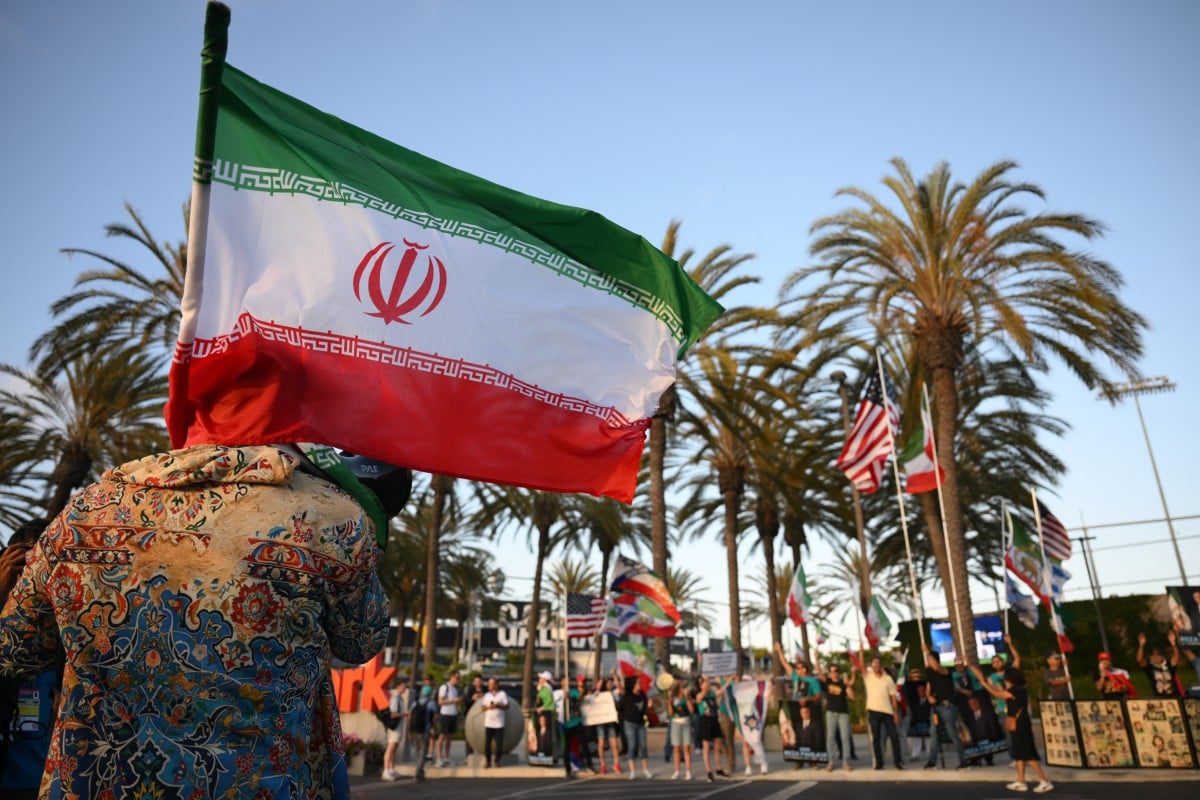
US and Iran confirm that they signed an agreement to end war in the Middle East
CartaCapital
Agreement between US and Iran comes into force to end the war; see point by point
BBC Brasil
VIDEO: fire hits the Department of Education warehouse and gas station in Várzea Grande (MT)
G1 Globo
2h. Russia attacked Kiev and Poltova with several missiles
Observador
Trump says the truce agreement signed with Iran is not definitive and threatens to launch new attacks if the 'regime does not behave'
G1 Globo