Statements from Iran and the United States show that peace negotiations are still deadlocked
⚡ Quick Summary
Statements from Iran and the US show that peace negotiations still have impasses ahead Statements from Iran and the United States show that peace negotiations still have impasses ahead.
Statements from Iran and the US show that peace negotiations still have impasses ahead
Statements from Iran and the United States show that peace negotiations still have impasses ahead.
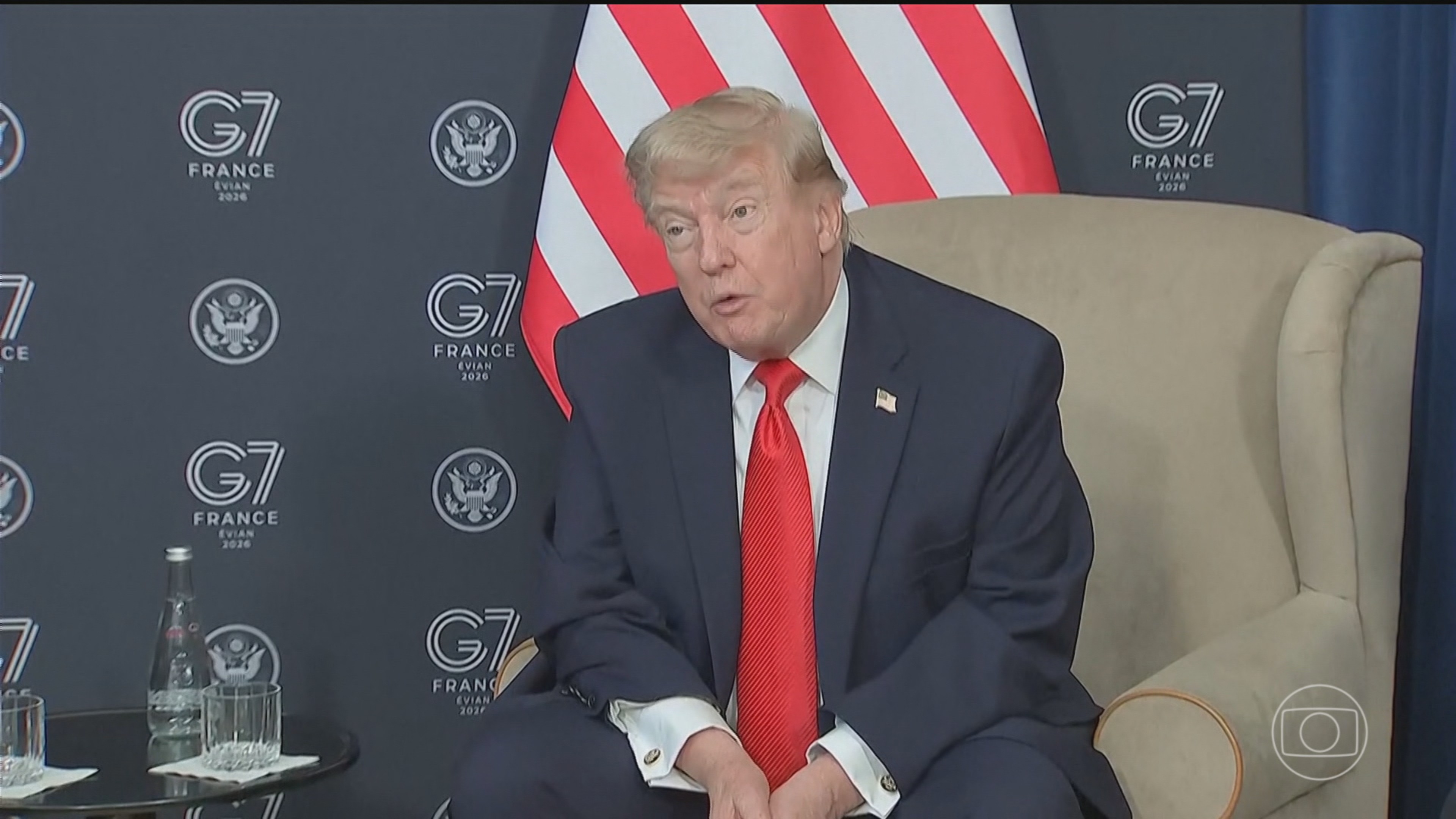
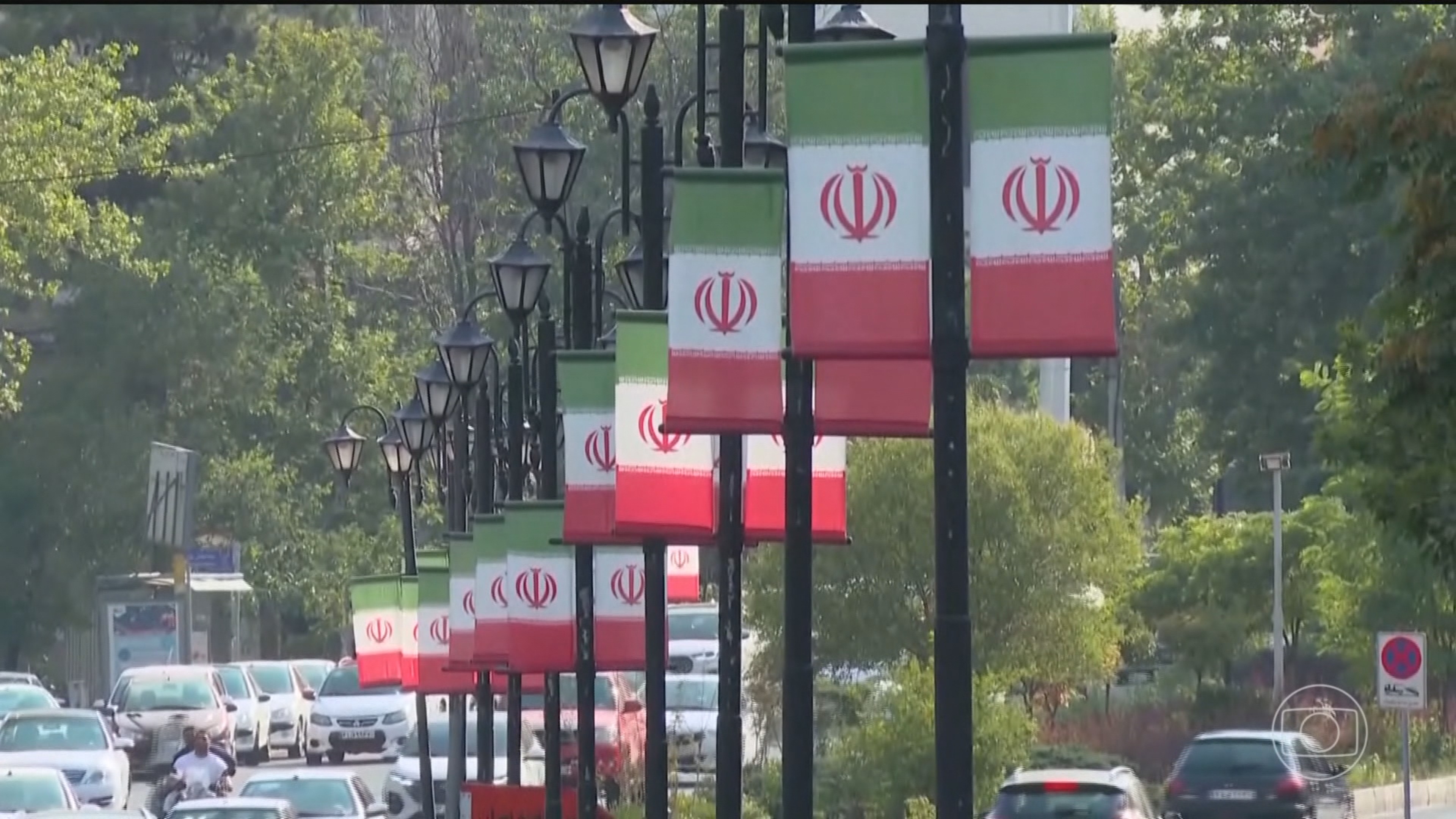
Two countries, one agreement and many doubts. Worse: different versions on central points. Topics that strongly divide Tehran and Washington. Iran maintains that the Americans have committed to helping rebuild the country, partially destroyed by attacks by the United States and Israel. The Iranian press speaks of a value of up to US$300 billion. But President Donald Trump denies it; says the idea of investing money in Iran is ridiculous.
📱Bookmark g1 on Google and follow the main news of the day
The dispute over the Strait of Hormuz continues. According to Tehran, control of the passage of an important part of the world's oil will be carried out by Iran and Oman, which will provide security for navigation in exchange for a fee. Trump doesn't want to charge tolls.
There are also strong disagreements over Lebanon. Iranian Foreign Ministry spokesman Esmail Baghaei said that the end of the war in the country is part of the understanding and that the United States must ensure that Israel respects the agreement. A senior American official said that the departure of Israeli troops from Lebanon is not included in the pact. Prime Minister Benjamin Netanyahu has already said that he does not intend to withdraw the military from southern Lebanese territory, because he needs to defend Israel from the extremist group Hezbollah, supported by Iran.
Statements from Iran and the United States show that peace negotiations are still deadlocked
National Newspaper/ Reproduction
Both Iran and the United States declare victory, but the difference in versions reveals that, even with the announced advances, there is still a lot of uncertainty about the real scope of the agreement. The thorniest issues, such as the future of Iran's nuclear program, were left for the next phase of negotiations.
Political scientist Oliver Stuenkel, professor of International Relations at Fundação Getúlio Vargas, assesses that the United States has lost influence in the Middle East:
"This is perhaps the most visible issue now, that even U.S. allies in the Gulf have been holding bilateral negotiations with Iran because they feel that the United States can no longer adequately protect them. So this loss of U.S. influence in the Middle East reduces Washington's ability to impose its vision and compel all parties to implement a deal negotiated by Washington and Tehran."
GloboPop: click to see videos from the Jornal Nacional stage
READ ALSO
What points still need to be clarified in the agreement between the US and Iran
Why the US-Iran deal is a political nightmare for Israel's prime minister
USA claims to have already signed an agreement with Iran; text will be released after an in-person ceremony on Friday (19), says Trump
🗞️ 4 sources covered this story
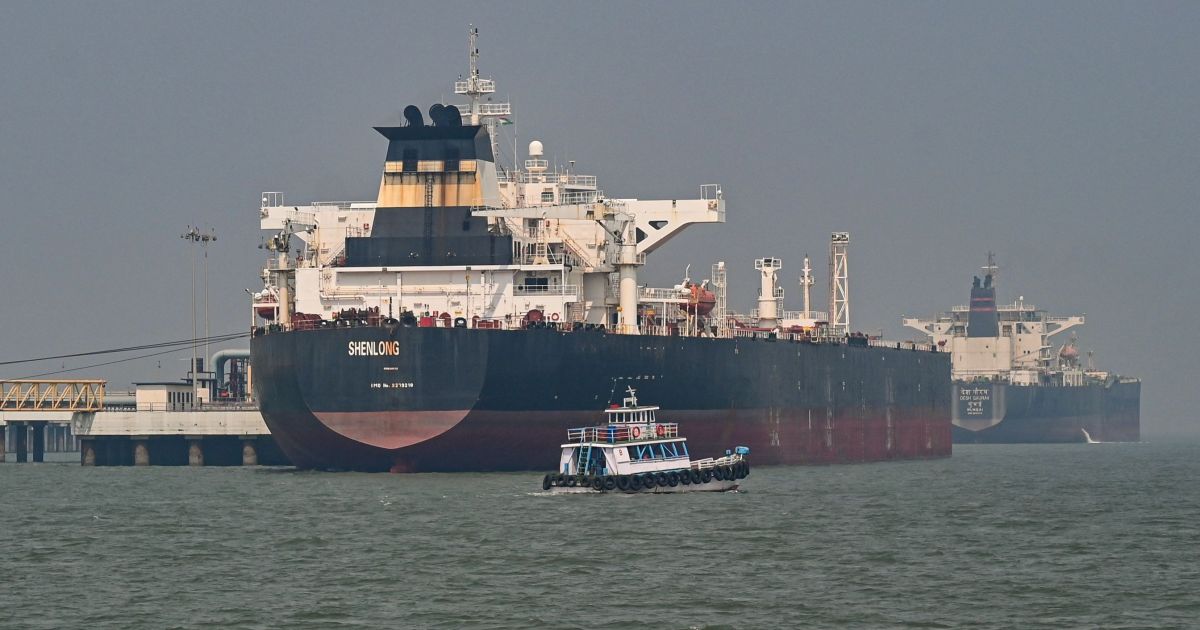
US wants mines removed from Hormuz; operation will be a challenge for Iran
CNN BrasilPeace agreement between US and Iran foresees a private fund of US$300 billion for Tehran, says agency
G1
US assesses that Iran can close Hormuz whenever it wants, despite agreement
CNN Brasil
Lula says that fighting crime must respect the sovereignty of States
Agência Brasil📰 Related Articles

JN's daily summary: STF sentences Eduardo Bolsonaro to 4 years in prison for coercion in the coup plot; Mendonça removes confidentiality from sections of the investigation into Banco Master
G1 Globo
With Trump's endorsement, G7 commits to support for Ukraine and sanctions on Russia
CNN Brasil
Norway thrashes Iraq in return to the World Cup; Haaland scored two goals
Agência Brasil
Haaland praises victory in the World Cup, but league warns: “We need to play better”
CNN Brasil
US wants mines removed from Hormuz; operation will be a challenge for Iran
CNN Brasil