Senate approves Benedito Gonçalves as new CNJ inspector
⚡ Quick Summary
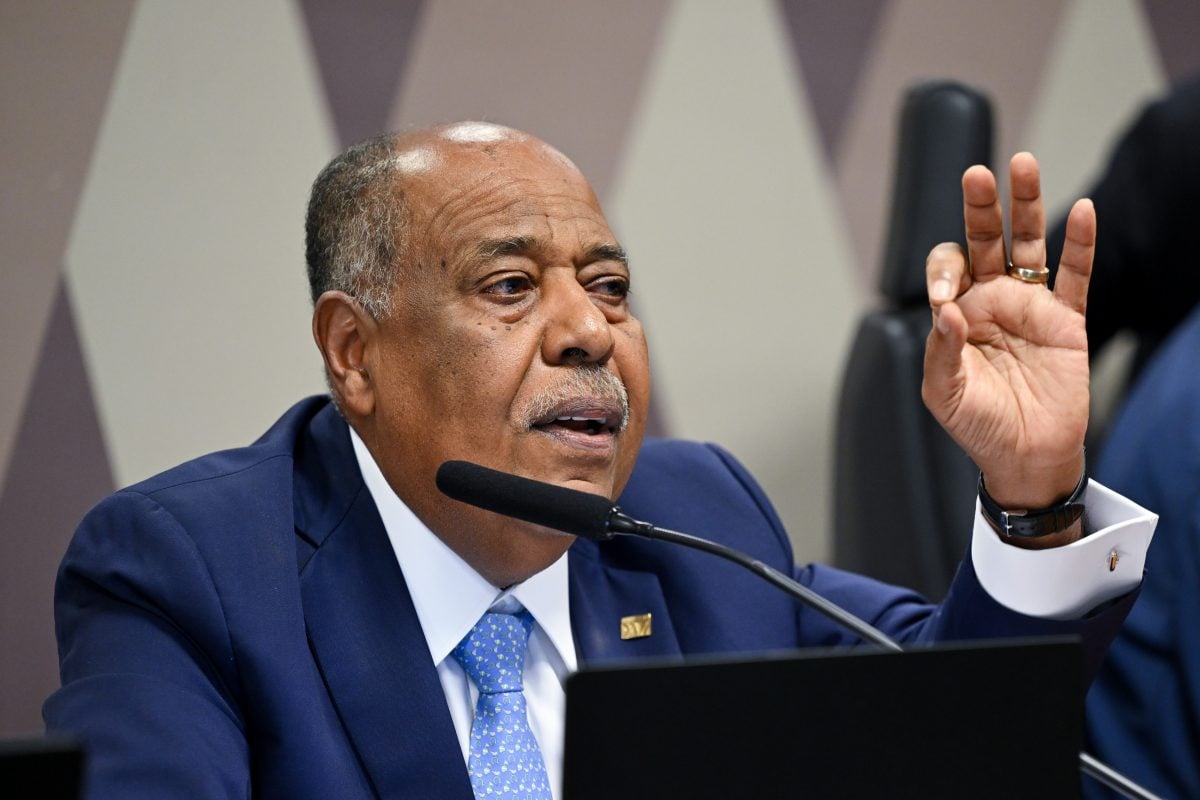
The Senate approved this Wednesday (10) the appointment of the minister of the Superior Court of Justice (STJ) Benedito Gonçalves for the position of inspector of the National Council of Justice (CNJ) until 2028.
The Senate approved this Wednesday (10) the appointment of the minister of the Superior Court of Justice (STJ) Benedito Gonçalves for the position of inspector of the National Council of Justice (CNJ) until 2028. There were 53 votes in favor and 16 against.
The CNJ is made up of 15 members, with a two-year mandate. One of them is appointed by the STJ to perform the role of inspector. The body is responsible for controlling the administrative and financial activity of the courts, in addition to supervising the functional duties of judges from the five segments of the Judiciary, with the exception of the STF.
Related news:
Senate CCJ approves financial autonomy of the Central Bank.
CNJ opens case against judge accused of sexual crimes.
STJ relativizes rape of a vulnerable person and maintains acquittal of the accused.
The council also has the role of planning, assisting and monitoring policies aimed at improving the services provided by the courts.
The Constitution determines that all members of the collegiate, with the exception of its president, are appointed by the President of the Republic, after the choice has been approved by the absolute majority of the Federal Senate - that is, with at least 41 votes from the senators.
As magistrate, the minister will be responsible for receiving complaints and denunciations against magistrates and auxiliary judicial services, offices, bodies providing notarial and registration services that act by delegation of public power or are made official.
He will also be responsible for determining the processing of complaints; carry out investigations, inspections and corrections, when there are serious or relevant facts that justify them; prepare and present reports regarding the specific content of its correction, inspection and investigation activities.
Benedito Gonçalves holds a Bachelor's degree in Law from the Federal University of Rio de Janeiro (UFRJ), and a Master's degree in Law from Universidade Estácio de Sá. He assumed the position of minister of the STJ in 2008.
Previously, he was a federal judge, working in the first instance in Rio Grande do Sul, Paraná and Rio de Janeiro. In 1998, he was promoted, by merit, to the position of federal judge of the Federal Regional Court (TRF) of the 2nd Region, with jurisdiction in the states of Rio de Janeiro and Espírito Santo.
🗞️ 4 sources covered this story
Senate approves Benedito Gonçalves as new CNJ inspector
CartaCapital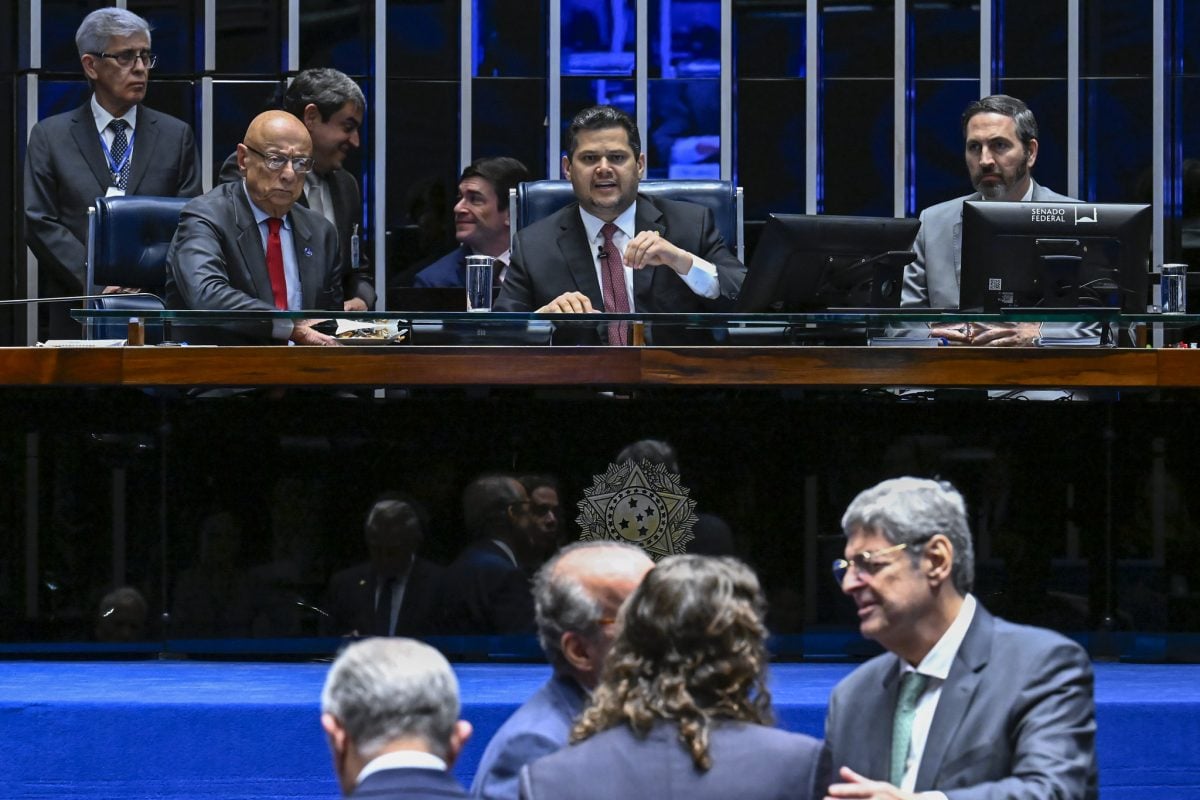
Senate approves renegotiation of rural debts; estimated cost is R$140 billion
CartaCapital
Senate approves rural debt renegotiation project
CNN Brasil/https://i.s3.glbimg.com/v1/AUTH_59edd422c0c84a879bd37670ae4f538a/internal_photos/bs/2026/n/t/vsSzpCRdKZSXqWhfcXjg/design-sem-nome.jpg)
Senate approves renegotiation of rural producers’ debts; government is against and predicts billion-dollar impact on accounts
G1 Globo📰 Related Articles
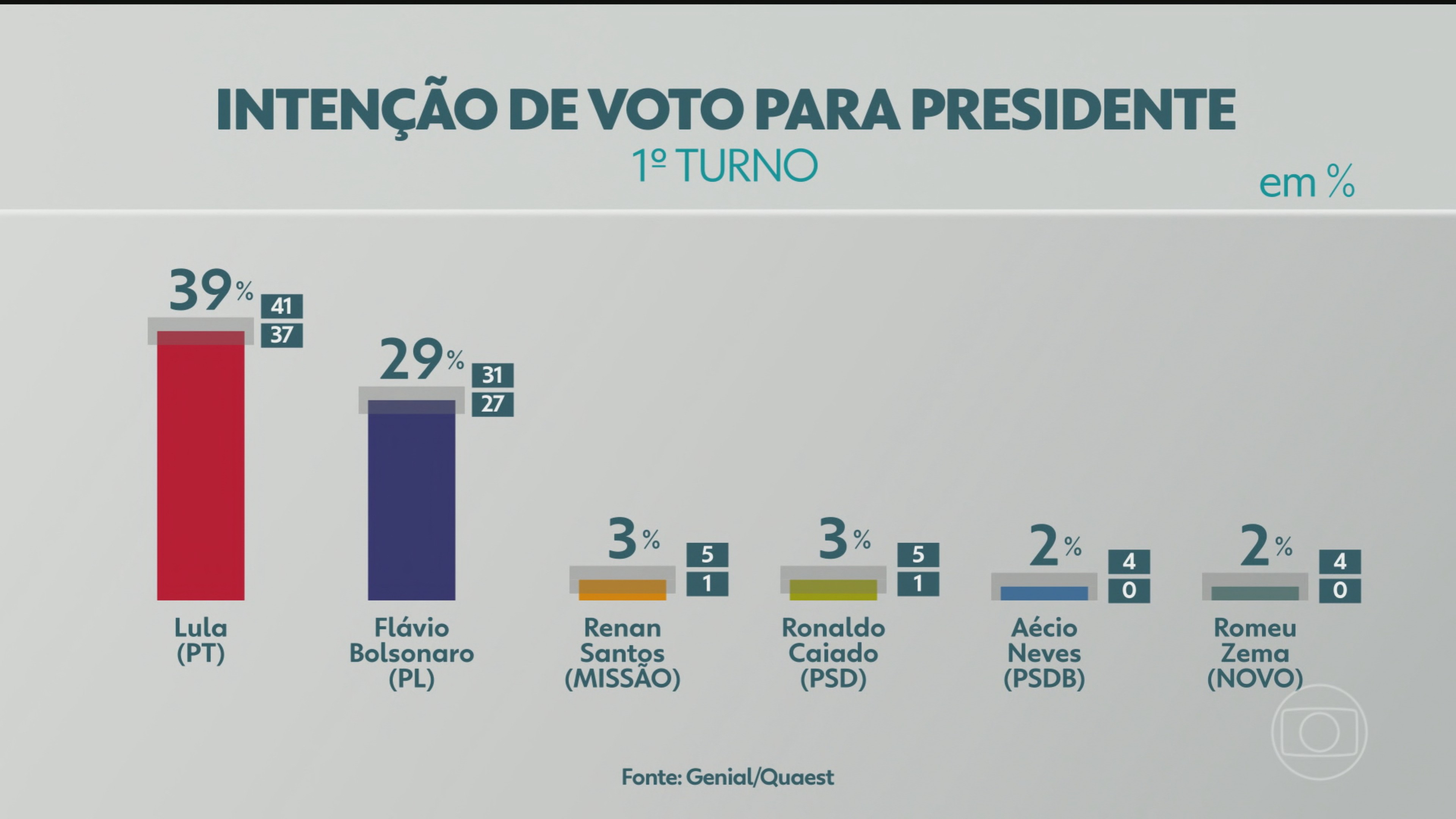
Quaest 2nd round: Lula has 44% of voting intentions; Flávio Bolsonaro, 38%
G1 Globo
Super Sete today: results of contest 858 and numbers drawn
G1 Globo
Firefighters travel more than 100 km to help elderly people who fell ill in the interior of Acre
G1 Globo
Engie approves share offer to acquire part of the Jirau hydroelectric plant
CNN Brasil
Bus decorated with the colors of Caprichoso and Garantido brings the atmosphere of the Parintins Festival to the streets of Manaus
G1 Globo