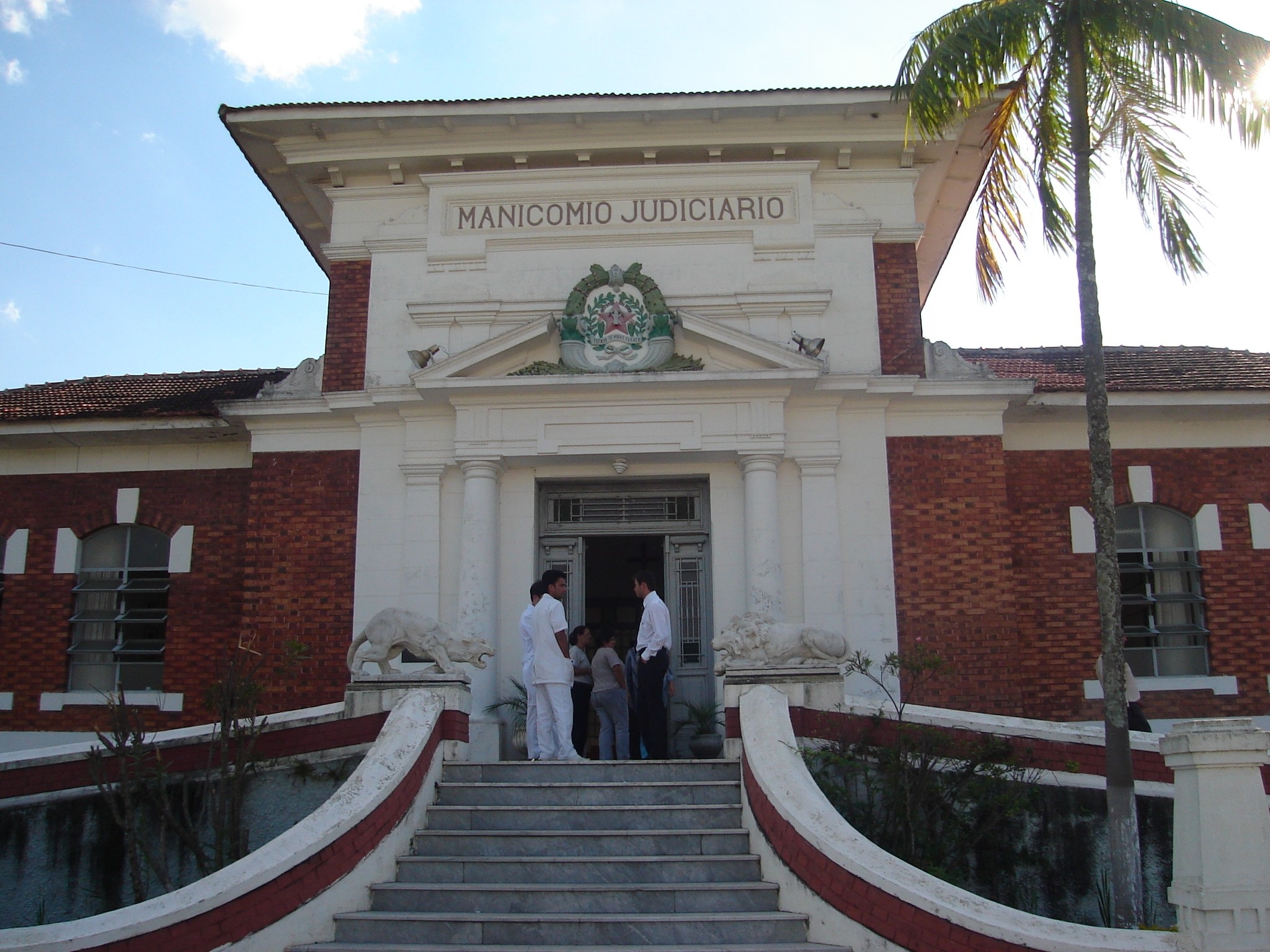
STF maintains functioning of criminal psychiatric units in MG
⚡ Quick Summary
Jorge Vaz Psychiatric and Judicial Hospital, in Barbacena Minas Agency/Disclosure Minister Flávio Dino, of the Federal Supreme Court (STF), authorized the continuity of care and admission of patients at the Jorge Vaz Hospital, in Barbacena, in the Zona da Mata of Minas Gerais, and at the Medical and Expert Support Center (Camp), in Ribeirão das Neves, in Greater BH.
Jorge Vaz Psychiatric and Judicial Hospital, in Barbacena
Minas Agency/Disclosure
Minister Flávio Dino, of the Federal Supreme Court (STF), authorized the continuity of care and admission of patients at the Jorge Vaz Hospital, in Barbacena, in the Zona da Mata of Minas Gerais, and at the Medical and Expert Support Center (Camp), in Ribeirão das Neves, in Greater BH.
The decision, valid since Monday (8), responds to a request from the Public Ministry and temporarily suspends the restriction imposed by the Court of Justice of Minas Gerais (TJMG), which had prohibited new admissions to the units due to anti-asylum policies (read more below).
✅ Click here to follow the g1 MG channel on WhatsApp
The two institutions serve people in mental or psychosocial suffering subject to judicial security measures, that is, patients considered unaccountable, who cannot respond criminally, but need psychiatric treatment.
With the STF's decision, the units continue to operate normally until there are adequate conditions for the transition to the hospitalization model. The authorization is provisional and will still be endorsed by the First Panel of the Supreme Court.
Now on g1
'Loss and lack of structure'
The injunction was granted based on the analysis of the request from the Public Prosecutor's Office, which expressed opposition to parts of Resolution 487/2023 of the National Council of Justice (CNJ) and the TJMG ordinance that prohibited the entry of new patients into the units.
The CNJ rule established the "Anti-Asylum Policy of the Judiciary" and provides that people with mental disorders are preferentially treated in the Psychosocial Care Network (Raps). However, according to the MP, the state still does not have enough structure to absorb all the demand.
When granting the decision, Flávio Dino stated that the immediate application of the determination in a generic way could harm patients in the units and their families.
"The closure of hospitals is capable of causing the disruption of families, especially those who do not have the socioeconomic conditions to care for their ex-hospitalized family members, which further increases the vulnerability of these patients," stated the minister.
Dino also considered information from the State Department of Health that points out technical and structural limitations of municipalities in Minas Gerais, especially small ones, to respond to the demands arising from the application of the ordinance.
Planned transition
In the decision, Dino explained that, when editing the resolution, the CNJ sought to guarantee adequate treatment for people in need of mental health care. However, for him, the generic ban determination can cause harm to those hospitalized.
According to the minister, the change in the care model must occur in a planned manner. He cited the STF's understanding that judicial decisions on public policies need to establish objectives and allow public authorities to present viable solutions, instead of imposing immediate measures.
"The transfer of patients in psychological distress to a network that is not yet sufficiently structured has the potential to severely impact care, as well as cause a systemic harmful effect on public health in the state of Minas Gerais", he concluded.
Position of the Public Prosecutor's Office
The Public Ministry of Minas Gerais argued that the measure guarantees adequate treatment for patients without ignoring the need for changes in the mental health care model.
"The MPMG wants to guarantee society the right to live in harmony, respecting the dignity of people with illnesses, but that they receive adequate treatment in the equipment intended for this purpose", said the Attorney General of Justice, Paulo de Tarso Morais Filho.
The coordinator of the Operational Support Center for the Health Defense Public Prosecutor's Offices (Cao-Saúde), Giovanna Carone, stated that the decision does not contradict the anti-asylum policy, but recognizes the complexity of the transition. "The anti-asylum fight is a historic achievement for Brazilian society, however we also need to recognize that we are facing a complex issue, which involves human rights, mental health, organization of the SUS, protection of people subject to security measures", highlighted Carone.
📰 Related Articles
/https://i.s3.glbimg.com/v1/AUTH_59edd422c0c84a879bd37670ae4f538a/internal_photos/bs/2026/K/o/EzPp0fTBC1MmdFq48KIw/10-47-demora-transferencia-larissa-b-leonardo-09-jun-2026.mxf.png)
Families report delay in finding hospital beds in Greater BH even after court decisions
G1 Globo
Two more stores are the target of an operation against counterfeit products in Campo Grande
G1 Globo
Minister of Finance praises resilience of the economy
Observador
Coimbra approves acquisition of vehicles for Civil Protection
Observador
Greece warns of possible Hamas attacks in Europe
Observador