


Savings have a net inflow of R$2.6 billion in May
⚡ Quick Summary
The investment balance in the savings account rose in May this year, with more deposits than withdrawals recorded.
The investment balance in the savings account rose in May this year, with more deposits than withdrawals recorded. Inflows exceeded outflows by R$2.6 billion, according to a report released this Tuesday (9) by the Central Bank (BC).
Last month, R$368.4 billion were invested, against withdrawals of R$365.8 billion. Income credited to savings accounts totaled R$6.2 billion. The savings balance is just over R$1 trillion.
Related news:
Financial market raises inflation forecast to 5.11% this year.
Request for review postpones vote on financial autonomy of the Central Bank.
This is the first time this year that savings have had a net inflow. In recent years, the passbook has recorded more withdrawals than deposits. In 2023 and 2024, net withdrawals were R$87.8 billion and R$15.5 billion, respectively. Last year, the negative savings balance reached R$85.6 billion.
In the first five months of this year, the book has already accumulated R$39.1 billion in net withdrawals. Among the reasons for the withdrawals is the maintenance of the Selic – the basic interest rate – on the rise, which encourages investment in better-performing investments.
From June 2025 to March this year, the Selic remained at 15% per year, the highest level in almost 20 years.
At the last meeting, in April, the BC's Monetary Policy Committee (Copom) cut the Selic by 0.25 percentage points, for the second time, to 14.5% per year. Despite the tensions caused by the war in the Middle East and expectations of rising inflation, the monetary authority maintained the cycle of reducing the basic rate, but gave no clues about the evolution of interest rates.
Selic is the BC's main instrument to ensure that the target of 3% for the Broad National Consumer Price Index (IPCA), the official inflation reference in the country, is achieved. When Copom increases the basic interest rate, the purpose is to contain heated demand and this has an impact on prices because higher interest rates make credit more expensive and encourage savings.
In April, food prices put pressure on official inflation, which closed at 0.67%. The IPCA accumulated over 12 months was 4.39%, according to the Brazilian Institute of Geography and Statistics (IBGE), still within the inflation target ceiling.
May inflation will be released next Friday (12) by IBGE.
🗞️ 1 sources covered this story
📰 Related Articles

Bricklayer with a passion for dancing combines work with rehearsals in pursuit of his dream of becoming a professional dancer
G1 Globo
CFM launches AI system to expand supervision of medical procedures
Agência Brasil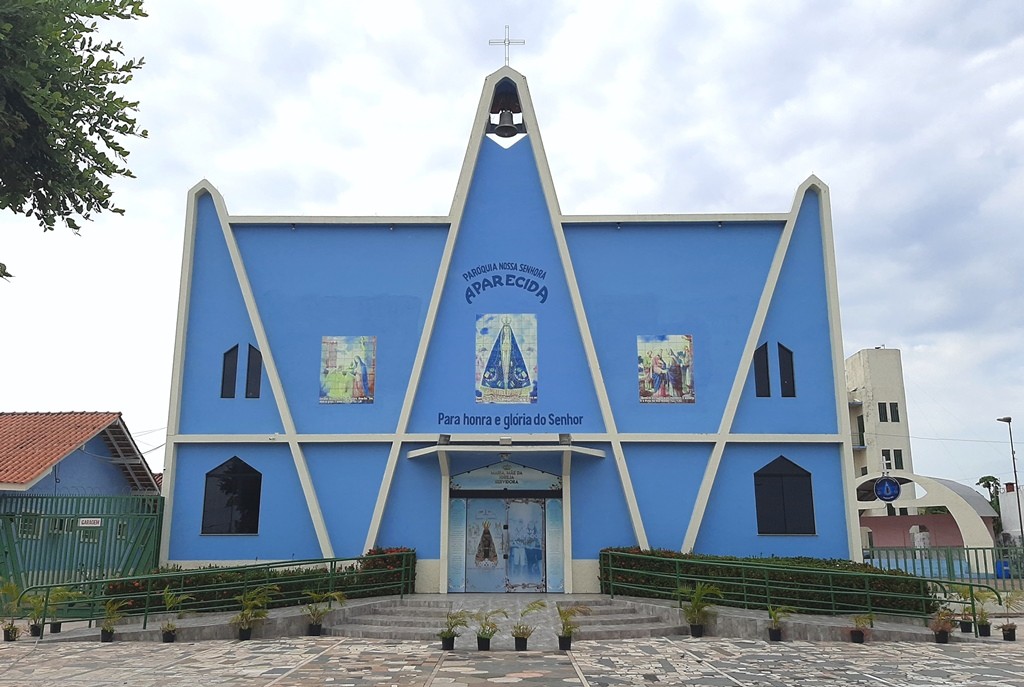
In Santarém, parish changes mass schedule due to Brazil's debut in the World Cup
G1 Globo
Petrópolis Chamber debates the future of the Social Entrance Examination in a public hearing
G1 Globo
US announces strikes against Iran in response to helicopter downing
CartaCapital