


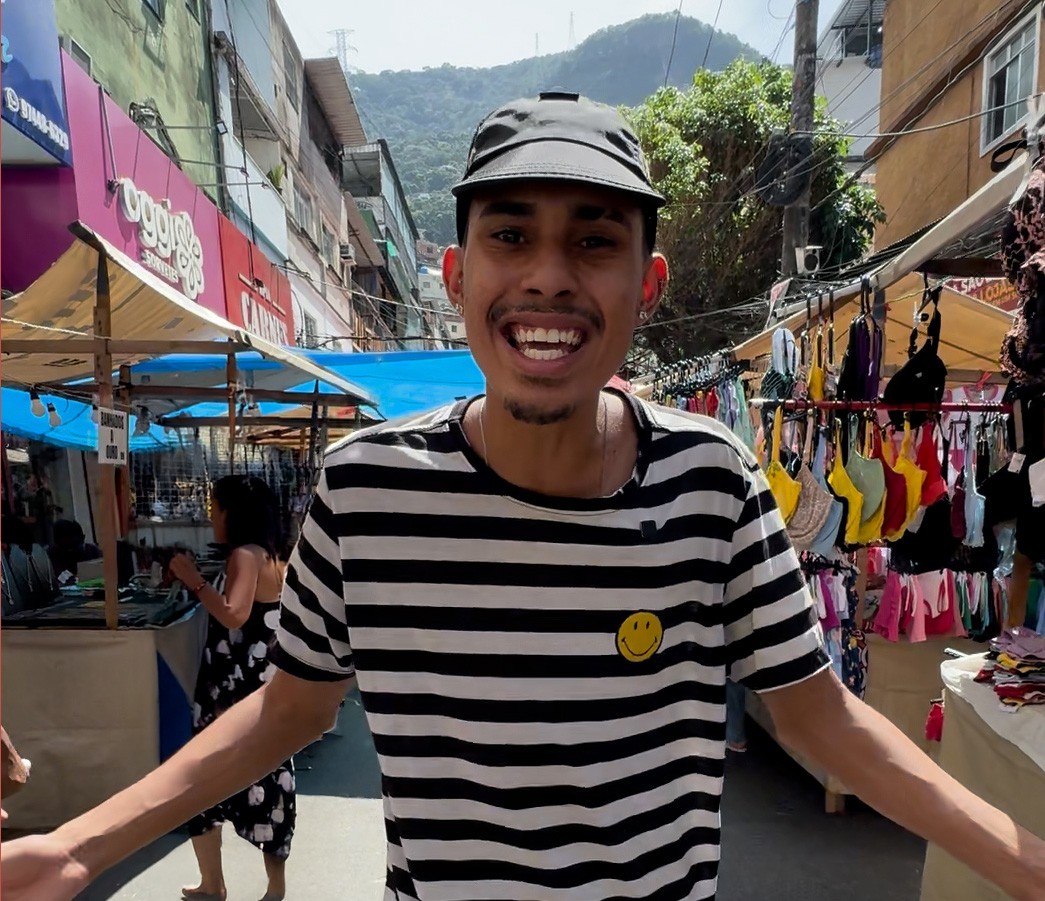
Ruan Juliet: the influencer from Rocinha who transformed the community into a ‘creative laboratory’ to tell stories from the region
⚡ Quick Summary
The influencer who transformed Rocinha into a 'creative laboratory' to tell stories about “Catch the vision”: the trajectory of content creator Ruan Juliet, from Rocinha, takes place in the largest favela in Brazil and brings together themes such as social inequality, life in the community and the power of information as an agent of cultural transformation.
The influencer who transformed Rocinha into a 'creative laboratory' to tell stories about
“Catch the vision”: the trajectory of content creator Ruan Juliet, from Rocinha, takes place in the largest favela in Brazil and brings together themes such as social inequality, life in the community and the power of information as an agent of cultural transformation.
What started by chance after a meeting with an influencer turned into a curiosity to better understand the place where he lives, through videos that reach millions of people on social media.
With his characteristic catchphrase, which begins this report, Ruan addresses points such as the geography and occupation of the community, cost of living and tourist attractions. The success of the videos helped the influencer's family face difficult times.
Ruan Juliet is another interviewee in the Influence de Cria series, which is on GloboPop, Globo's new vertical short video app, available for free on your cell phone. On the app, you can follow the "Influence of Cria" stage so you don't miss any episode. Download GloboPop.
Ruan Juliet
Art g1
Ruan started working at the age of 12 at the family's electronics store in Rocinha, after the birth of his brother, who had special needs, required his mother to dedicate herself entirely to his care.
Today, at 22 years old, Ruan has more than 1.6 million followers across Tiktok and Instagram.
📱Bookmark g1 on Google and follow the main news of the day
Ruan Juliet in his father's tent, in Rocinha
Gustavo Wanderley/g1
He says he turned Rocinha into his "creative laboratory" and defines himself as a community storyteller. In this interview, he talks about his childhood marked by early work, the loss of his brother, building a career on social media and the desire to use his own trajectory to open paths for other young people in the favela.
Read the full interview:
What was your childhood like?
"I usually say that in the favela the need comes before the dream, right? Because in the rich neighborhoods, children are thinking about studying. They are thinking about becoming a doctor or a lawyer when they are 18 or 20 years old. And in the community, it is often very difficult and it is difficult for a teenager to have his childhood, because it is interrupted very early.
I didn't have a childhood. My childhood was interrupted at the age of 12. Not because I wanted to, I didn't want to work. I wanted to dedicate myself 100% to my studies, but I had to work to be able to help my parents. So I had to mature very early.
My parents have an electronics stall and then my mother worked at the stall and my father worked as a street vendor on the beach. But I had a special brother, Ricardinho, and my mother had to dedicate herself 100% to him and at the time the tent was just a supplement to our income.
The income actually came from the beach and then, if we were to put someone in the tent, we wouldn't have anything, we wouldn't make a profit. And then there was that need to be able to work to help my parents. So work selling controllers, selling chargers, selling headphones, that kind of thing, car charger.
Before that, my childhood, before I started working, was a very peaceful childhood. I studied here in Rocinha and my mother took me to the tent to accompany her, because after I left school there was no one to stay with, there was no way to pay for me to stay with anyone and I stayed there in the tent with my mother. But from the age of 12 until I was 18, 19, it was like tent, tent, tent, study, tents, everything tent."
How did you get started on the internet?
"When I started recording content it was a little confusing for me, because I basically understood absolutely nothing, nothing, nothing. I didn't know where the internet could take me. At the time I was in my last year of high school and I developed over time, learning how to edit video myself, learning how to write a script, learning how to record. Ruan Juliet
Gustavo Wanderley/g1
When I was about to finish school, in my head, I was going to finish school and continue helping my parents in the tent, because I started working when I was 12, so I had no perspective whatsoever in life.
And the internet, it comes and it changes this perspective of life, mine and my family's too. From then on, I learned more about Rocinha. I think the most important thing the internet has given me is that it has made me understand more about my territory.
I started to understand more about Rocinha through my content. Because when I was going to produce the content I didn't know anything, so I had to ask the residents, I had to connect with the families and the residents. I started telling more about the favela, understanding the history of Rocinha."
How has the internet changed you?
"I think it's really cool, because when I was 12, 13, 14 years old and then I say that the internet changes me a lot, because I had no reference at that age. And when I start recording content and I start to understand more about the history of the favela, I start to have more references, I start to look up to more people and even more people to record content, for example, RAP.
Ruan Juliet
Gustavo Wanderley/g1
Like, I didn't have much contact with rap, with music and after I started recording content, after I started meeting more people, I was very inspired by Emicida, Racionais, because I see them as a form of cultural manifestation, of talking about life in the favela. I think that today my content is a form of cultural manifestation, of talking about how life works within the community."
How did content production start?
"I started producing content by chance. It was never a dream of mine. I was part of a social project at the time and in that social project, an influencer came to visit. At the time he had 1 million followers. His name is Jacques Vanier, and then he really liked me, he started recording me, he liked my story and from that he tagged me and I gained 15 thousand followers. And from there my story on social media begins. And then I start to develop, I start to struggle a lot until I learn.
I start by talking about Rocinha. But I was embarrassed to go out because it was something very new at the time, no one took their cell phone and went out recording, like the alleys, the streets or interviewing the residents. So he starts to get stories from Rocinha and starts taking photos and recording them with a green background. But to a certain extent it worked. After that it stopped working. And then I take a painting from the time and start explaining our slang, the way we talk to people, the way we talk. And then these videos work very well.
Then I start to go to Rocinha street again. I say man, I'm going to take all the videos I've ever produced on the green background and now I'm going to take to the streets. And that's when the boom happened, because I think that's when I start telling real stories. People start to see the favela up close.
Today I live 100% just from the internet. I'm building my parents' house. Today, I only work with the internet and I don't do anything other than recording content. Every day I go out onto the street and hunt for some story.
I think it's similar to you, the journalist. I'm a history hound. Like, I made Rocinha my creative laboratory. So I get to know the stories of the residents, because today the video back there starts just with Ruan and today it doesn't stop just with Ruan or Ruan's family. Today, like, he's Rocinha.
So if I know a story about someone there, I'll tell that story, because if I don't tell that story, that story will never be told. And there are many beautiful stories to be told within the community. Nowadays these stories often reach me. So today it's an easier process.
I always value informative content. It's not the content that I just think about generating likes, I always think about the content that can add in some way to the lives of these people who are watching it. Because as I told you, when I started on the internet, I didn't know the history of Rocinha.
Ruan Juliet
Gustavo Wanderley/g1
I didn't know, like, where I came from. And when we don't know, we often feel ashamed, we see an open sewer, we don't know why we live under an open sewer. We don't know why we don't have quality water. We know why we don't have quality light. We are embarrassed to talk because we live in Rocinha or a favela.
So, today my videos are also to restore self-esteem to young people, so they can look at the videos and say: ‘I can say that I live in Rocinha and I can understand that this is not my problem. This problem is much bigger, the hole is much lower.”
What about Ricardinho, your brother?
“My brother passed away in 2021. When my brother passed away, it was a huge turning point too, because my house turned upside down. My mother goes into a deep depression, my father goes into a deep depression and through social media I also manage to give my mother back her life. I manage to give my parents their lives back.
Today we are in another moment, we are building the house. For a long time my mother didn't want to live anymore, she didn't even want to move from the house we live in today and today the internet has given her that life back. My mother smiles today, my father smiles too."
Have you ever thought about leaving the community?
"I never thought about leaving the community because I think I have a life mission here. I'm gaining a lot of things, I'm gaining a lot of recognition and I'm managing to open many doors for myself and my family. But I feel like I have to bring this to my favela. I think it's a sense of collectivity and I think my next years inside the favela are about trying to reduce the walls they created and being able to create more bridges into the favela.
Of course, I think about taking my parents out of the favela. I think, but I'm very young, I'm 22 years old and my life is just beginning. I think my life is here. I want to do a lot for my favela, a lot for the young people and really create many bridges here. You know that line from Emicida: ‘Never go back to your broken mind and empty hands’.”
What advice would you give to anyone watching?
“One piece of advice I would give to anyone watching is ‘never give up on your dream’. We know it is very difficult, but never give up. As I've been in that place of needing to work very early, I know it's not easy, right? It's not your fault. You're not to blame for anything, right? And man, choose the right path. No matter how difficult it is, choose the right path, because in the end it will be better for you.
And like I said, I don't want just me to win, but I want other people to win too, because I don't think everyone can do it. It is difficult due to several factors, especially within the favela. And the race is not fair.
We often don't start on the same line. One starts here, the other starts behind and especially the people who come from favelas. So, today I look at my trajectory and even though the race wasn't fair to me, to other young people from the favela, I'm managing to achieve my goals.
There's even a verse by Emicida that says that we often have a dream of having a house, and having a house is not a dream, it's dignity. And now I'm able to have this basic thing that is a house, my room for the first time. So I look at myself, I'm very proud of everything I've been building so far. And I even have a dream in the future which is to also teach young people from the favela a little about everything I learned, about the importance of recording videos, how to produce your first content, what strategies you have to use to reach brands and how you do it to monetize, to negotiate the importance of knowing the history of the territory.
It's a dream that I have in the near future, of returning this to the favela in some other way. I'm already giving back a lot of things, but everything I do today, with all the knowledge I gain through the internet, through the contacts I'll have, I always want to give back to the favela, you know?"
Guys, now I'm going to be the reporter, I'm going to ask my father what my father thinks of Ruan Juliet. He saw everything born. Speak, father.
Raimundo do Nascimento: "When you helped me a lot here in the tent, when I needed it you were also a foundation here with me, you helped a lot later, thank God for this internet that I thought was not going to move forward, that I didn't have much faith, but thank God, God bless you, you are a very smart boy, God bless you and you are firmly there on the internet. I said that this wouldn't give him a future, but I was wrong, understand? So now I know that it works, that it gives him an advantage, that God has blessed him, he's doing well on the internet."
Ruan Juliet in his father's tent, in Rocinha
Gustavo Wanderley/g1
Ruan: "One day I hope, I'll give the house to my parents now, but I hope one day I can take my father out of here too, hoping to have a store. One day I'm going to leave this article, because the day I do it, we're going to post this video here."
📰 Related Articles
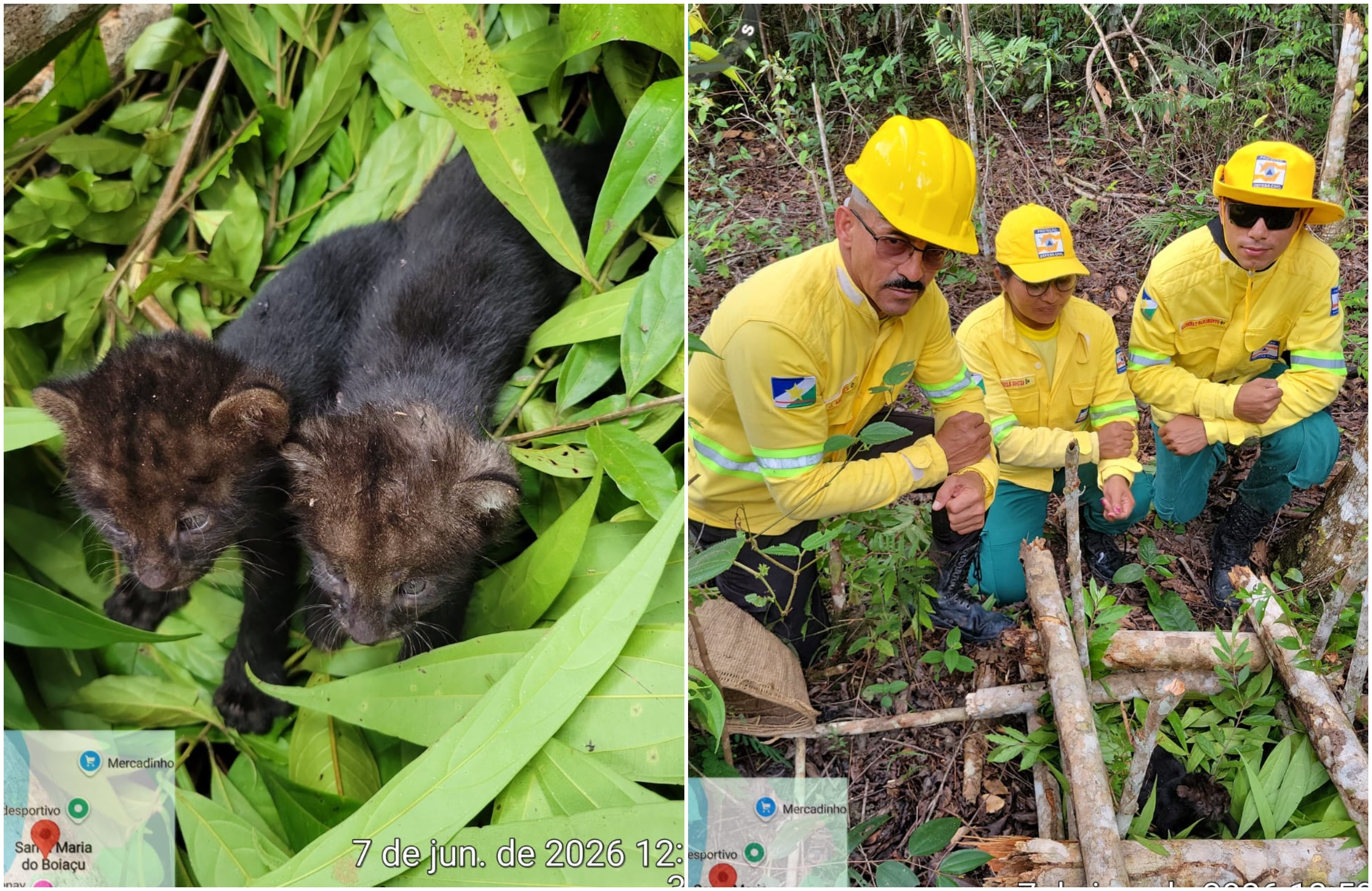
Rare feline puppies are rescued and returned to their mother in a forest area in the south of Roraima
G1 Globo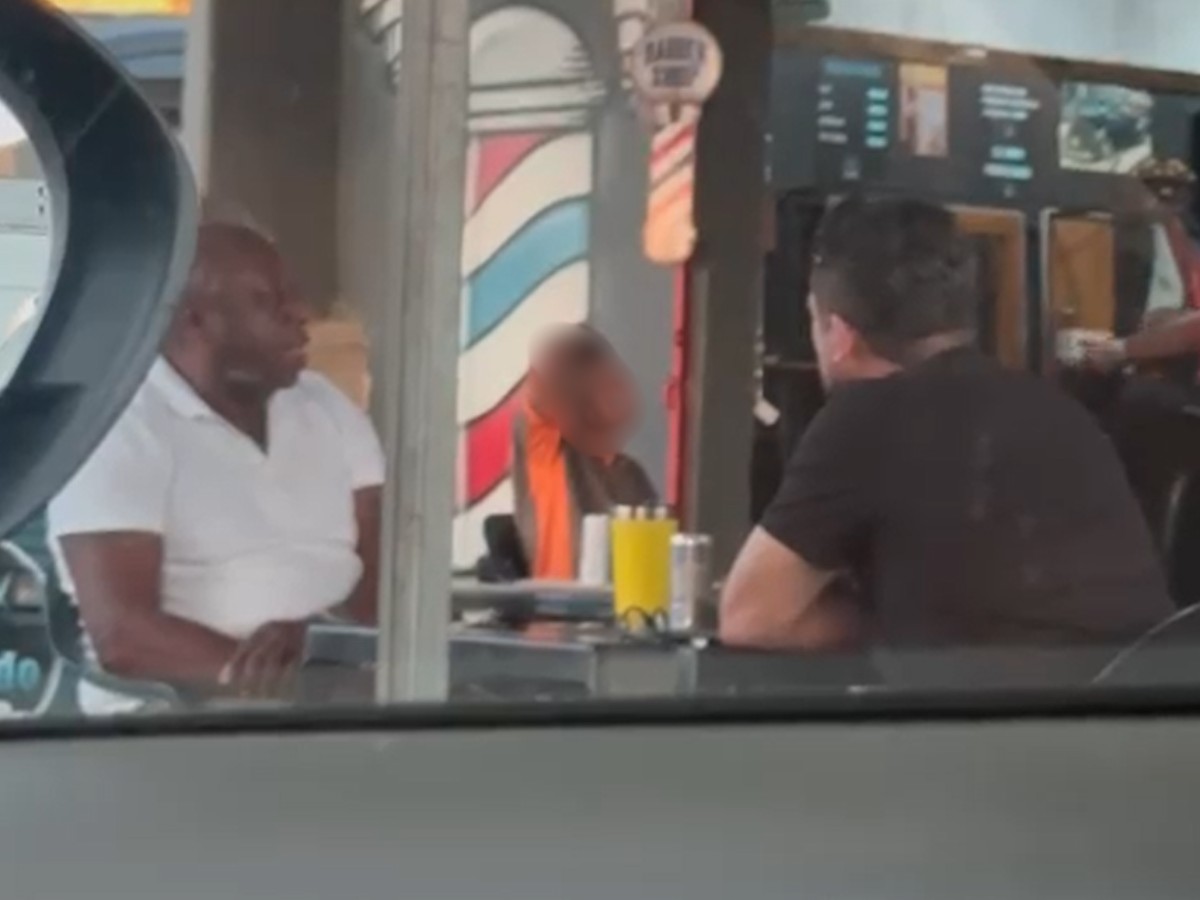
Video with meeting between former chief of investigators and accused of planning prosecutor's death was recorded at the businessman's request
G1 GloboEducation workers protest against layoffs and call for reforms in schools in Parauapebas
G1 Globo
Dias Toffoli takes office as effective minister of the TSE
CNN Brasil
Apple Introduces New Smart Features for 2027; look
CNN Brasil