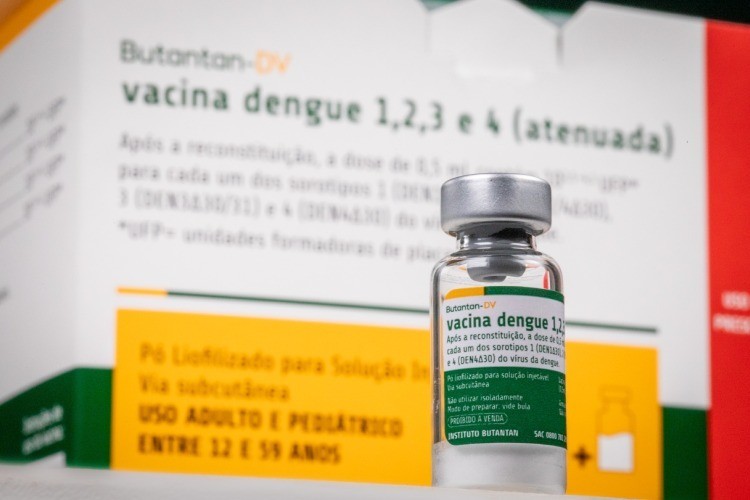
RN suspends application of the Butantan Laboratory dengue vaccine; state has no record of reactions
⚡ Quick Summary
The State Department of Public Health of Rio Grande do Norte (Sesap) temporarily suspended the application of the Butantan-DV vaccine against dengue. The measure follows guidance from the Ministry of Health.
The State Department of Public Health of Rio Grande do Norte (Sesap) temporarily suspended the application of the Butantan-DV vaccine against dengue. The measure follows guidance from the Ministry of Health. In Rio Grande do Norte there was no notification of a reaction to this immunizer.
The campaign with the Qdenga vaccine, aimed at children and adolescents aged 10 to 14, continues normally in the state.
The suspension comes after the Ministry of Health identified 42 severe cases under investigation and two deaths under analysis in the country. The cases may be related to the vaccine produced by the Butantan Institute. Among the adverse symptoms recorded are the simulation of dengue and, in severe situations, the occurrence of hemorrhages. There is still no conclusive result on the correlation of symptoms with the vaccine.
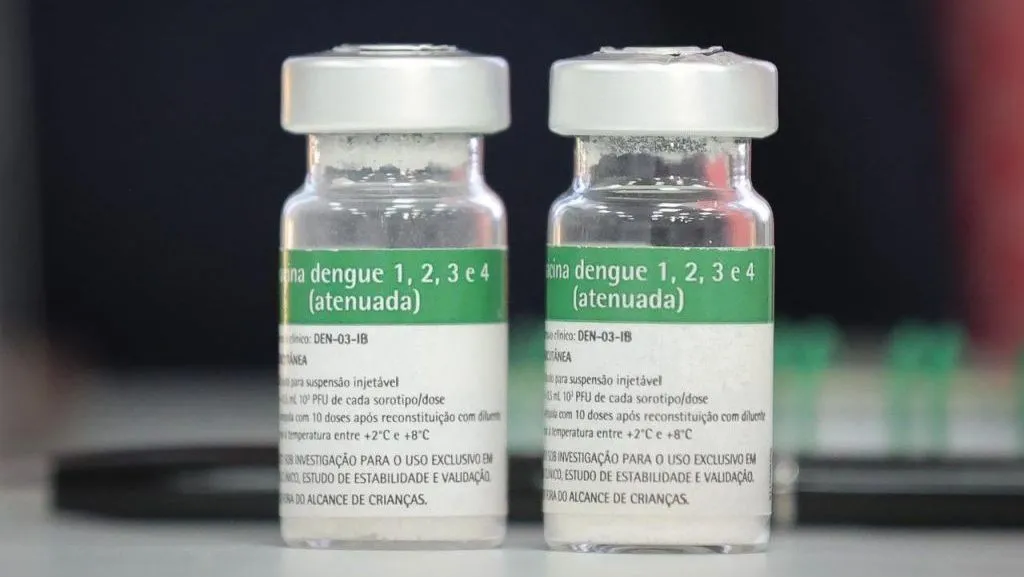
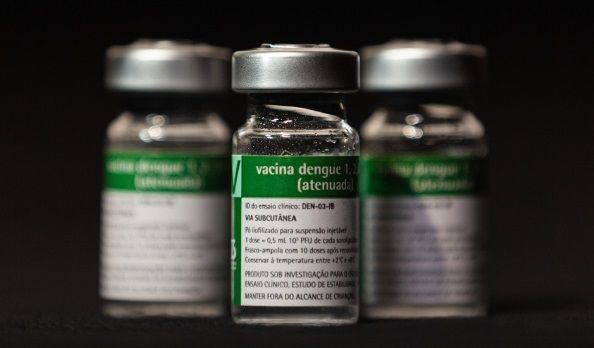
Dengue vaccine
Butantan Institute/ Disclosure
According to Sesap's Health Surveillance coordinator, Diana Rego, the Ministry acted diligently, identifying 42 severe cases under investigation and two deaths that are being analyzed for causality, and could be related to the vaccine produced by Butantan.
In Brazil, notifications considered serious correspond to 0.008% of a total of 500 thousand doses applied until May 30th. Sesap emphasizes that monitoring is part of pharmacovigilance. All doses of new vaccines are monitored and any suspicion of risk requires suspension for investigation.
In Rio Grande do Norte, there was no notification of a reaction to Butantan-DV. Vaccination with this vaccine began in January, aimed at Primary Care workers. The state applied 5,200 of the 18,520 doses received.
Immunization with the Qdenga vaccine is ongoing. The immunizer recorded allergic reactions, with 108 reports of adverse reactions recorded, only two of which were considered serious.
🗞️ 3 sources covered this story
📰 Related Articles

US Congress approves $70 billion project for Trump's migration offensive
CartaCapital
Iphan approves listing of the Municipal Theater of Ouro Preto, the oldest in continuous operation in the Americas
G1 Globo
Woman who pretended to be 12 years old in SC to be adopted had been convicted in GO of ideological falsehood after pretending to be an abused child
G1 GloboFull-time school releases students early due to lack of water two weeks ago in Belém, parents report
G1 Globo
'Coral nursery': scientists test unprecedented experiment to recover reefs affected by the climate crisis
G1 Globo