Butantan vaccine against dengue is suspended; understand what led to the decision and what to do if you have already been vaccinated
⚡ Quick Summary
Understand how the dengue vaccine suspended by the Ministry of Health works The Ministry of Health announced on Monday (06/08) that it will suspend the dengue vaccine developed by the Butantan Institute and which was being administered to health professionals and residents of some Brazilian municipalities after 42 cases of severe reactions — including two suspicious deaths possibly linked to the vaccine and still under investigation.
Understand how the dengue vaccine suspended by the Ministry of Health works
The Ministry of Health announced on Monday (06/08) that it will suspend the dengue vaccine developed by the Butantan Institute and which was being administered to health professionals and residents of some Brazilian municipalities after 42 cases of severe reactions — including two suspicious deaths possibly linked to the vaccine and still under investigation.
Among the cases of reactions are people who reported severe abdominal pain, persistent vomiting and bleeding. Three cases were considered serious — including the two deaths.
According to the Ministry of Health, the suspected cases identified so far are "rare events that correspond to 0.008% of a total of 500 thousand doses applied until May 30".
The ministry highlighted that there is still no conclusive result on the correlation of these cases with the vaccine.
The vaccination strategy with the Butantan vaccine began in January this year. Initially aimed at health professionals in Primary Health Care, it was expanded to the population aged 15 to 49 in three cities — Botucatu (SP), Maranguape (CE) and Nova Lima (MG) — and the Araguaína region in Tocantins.
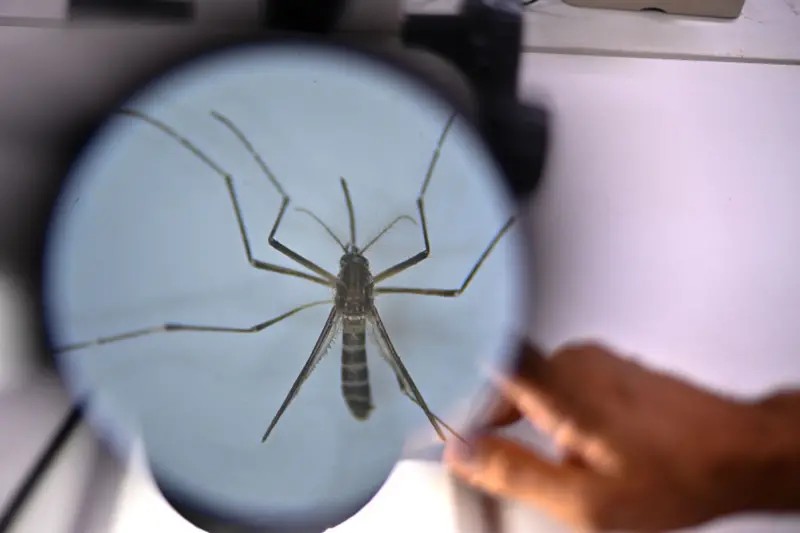
EPA/BBC
Before being incorporated into the SUS, the Butantan vaccine for dengue went through all the evaluation stages required by regulatory bodies, with results that demonstrated its safety and effectiveness, according to the ministry.
"Firstly, it is a precautionary action that should always guide those who respect life and those who respect science, even more so when we are talking about vaccination", said the Minister of Health, Alexandre Padilha, when explaining the decision to suspend.
"Secondly, it allows the Ministry of Health, Anvisa and the Butantan Institute to deepen the investigation of cases, especially registered deaths, for which there is still not enough information to allow establishing a causal relationship with the vaccine."
What happens to those who have already had the vaccine?
Anyone who has already received the vaccine must monitor their health status for 21 days after application. In case of symptoms such as fever, severe abdominal pain, persistent vomiting, bleeding, dizziness, excessive drowsiness, signs of dehydration or worsening of the general condition, immediate medical attention should be sought.
The ministry said that those who have already received the vaccine remain protected against four types of dengue.
The SUS continues to offer immunization against dengue to children and adolescents aged 10 to 14 with the Qdenga vaccine, produced by the Japanese pharmaceutical company Takeda and offered on the public network since 2024. Around 8 million doses of this vaccine have already been administered in Brazil.
Why was the dengue vaccine suspended?
The Ministry of Health had already vaccinated 500,000 people among health professionals in the country — and later vaccinated part of the population in three municipalities and the Tocantins region.
However, 42 cases of rare and unexpected reactions were recorded, which according to the government correspond to 0.008% of the total. These reactions had not been identified in clinical studies and are not foreseen in the vaccine package insert.
According to the vaccine leaflet, the adverse effects expected in some of those vaccinated are: headache, body aches, eye pain, spots on the skin, extreme tiredness, itching, nausea, sensitivity to light and chills.
Among the symptoms reported in the 42 cases identified, there were unexpected reactions: intense abdominal pain, persistent vomiting and bleeding.
Three cases were considered serious — and two of them resulted in deaths. The ministry says that none of the deaths occurred in the three cities and in the region where vaccination was expanded to the population.
"It cannot be said that the deaths were caused by the vaccine, but it was considered a warning sign that justifies an in-depth investigation. Possible comorbidities, risk factors and other situations that may have contributed to the deaths will be checked", states the ministry.
The government said that there are no signs of failures in the storage, transport or application of doses, but that these hypotheses will also be investigated.
The dengue vaccines already in health centers will not be discarded or destroyed. According to the ministry, they must remain stored in the cold chain until the investigation is completed.
There is still no date for a decision on whether vaccination will resume. This decision depends on ongoing investigations. The government has not released a deadline. Anvisa will have a panel of experts to deepen the epidemiological investigation into the vaccine.
What is the Butantan dengue vaccine?
The Butantan vaccine against dengue began to be made available in December last year, after approval by Anvisa.
Before that, another vaccine against dengue — Qdenga — had been incorporated into the National Immunization Program (PNI) by the Ministry of Health free of charge. It remains in use.
According to the Ministry of Health, the Butantan Institute worked on developing its vaccine for approximately 20 years, and licensed its technology to the United States National Institute of Health (NIH).
Phase 1, 2 and 3 clinical studies were carried out, in accordance with current protocols. More than 11 thousand volunteers were vaccinated and monitored for 5 years.
The vaccine was 65% effective against the disease overall and 80.5% effective for more severe cases.
According to the ministry, "the vaccine does not cease to be safe when a signal is detected. This is a warning that needs to be investigated in more depth."
Dengue is considered the largest endemic in the country. Until May 30, Brazil had a 97% reduction in dengue deaths and a 94% reduction in probable cases, compared to 2024, according to government data.
“Vaccines continue to be fundamental weapons in this confrontation, and will help to achieve even better results,” said the ministry.
"According to the WHO, vaccines have saved 154 million lives in the last 50 years, around 3 million per year. In Brazil, vaccines helped to eradicate polio (infantile paralysis) and rubella and, in the case of measles, the country is free of the disease."
🗞️ 4 sources covered this story
Understand what the New World screwworm is
CNN BrasilWhat is greening? Understand the disease that is advancing in Brazilian orchards
CNN BrasilButantan believes that immunization against dengue will be available in 2027
CNN Brasil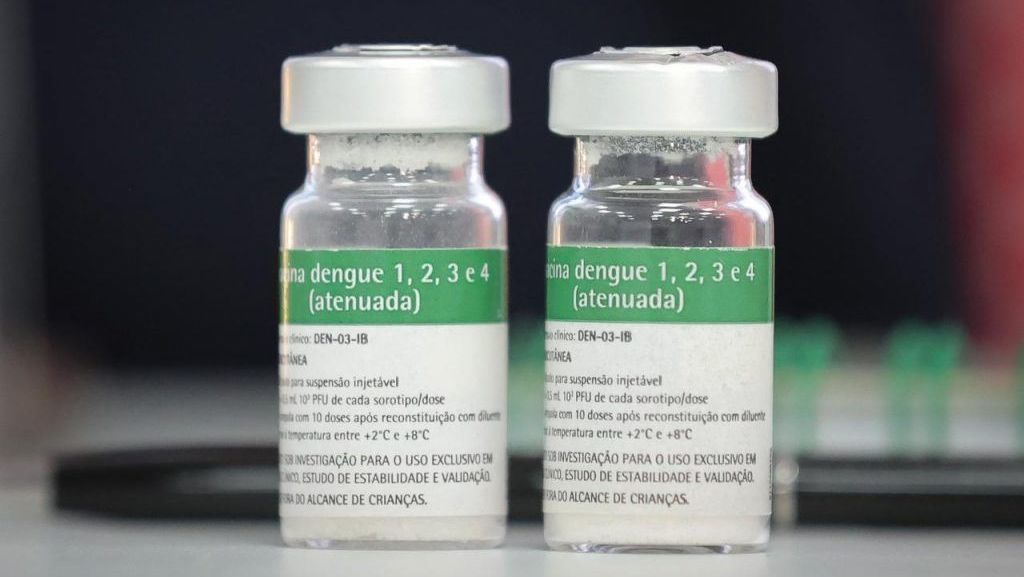
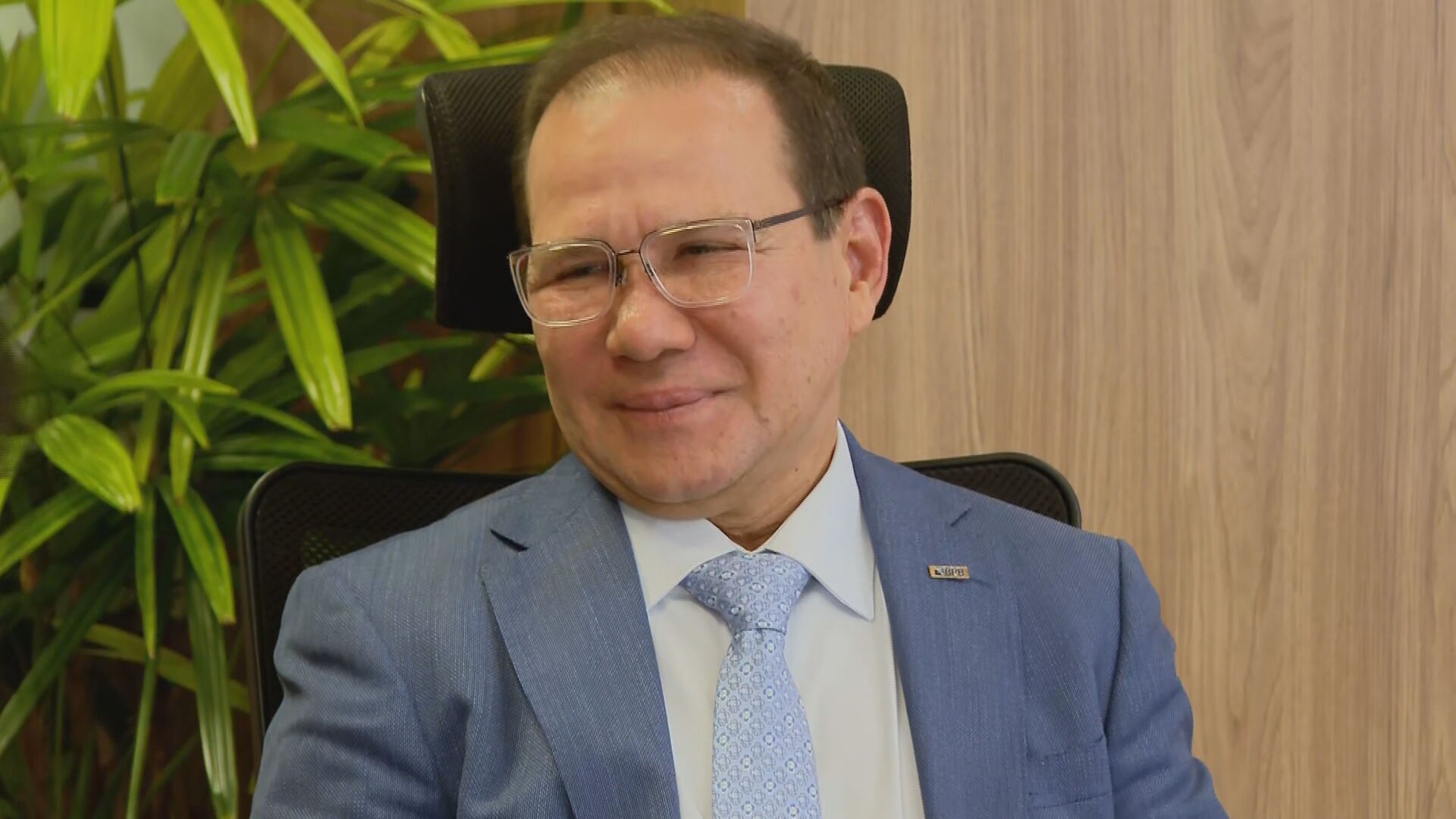
Vaccine suspension: Director of Butantan defends rigor in investigation
CNN Brasil📰 Related Articles
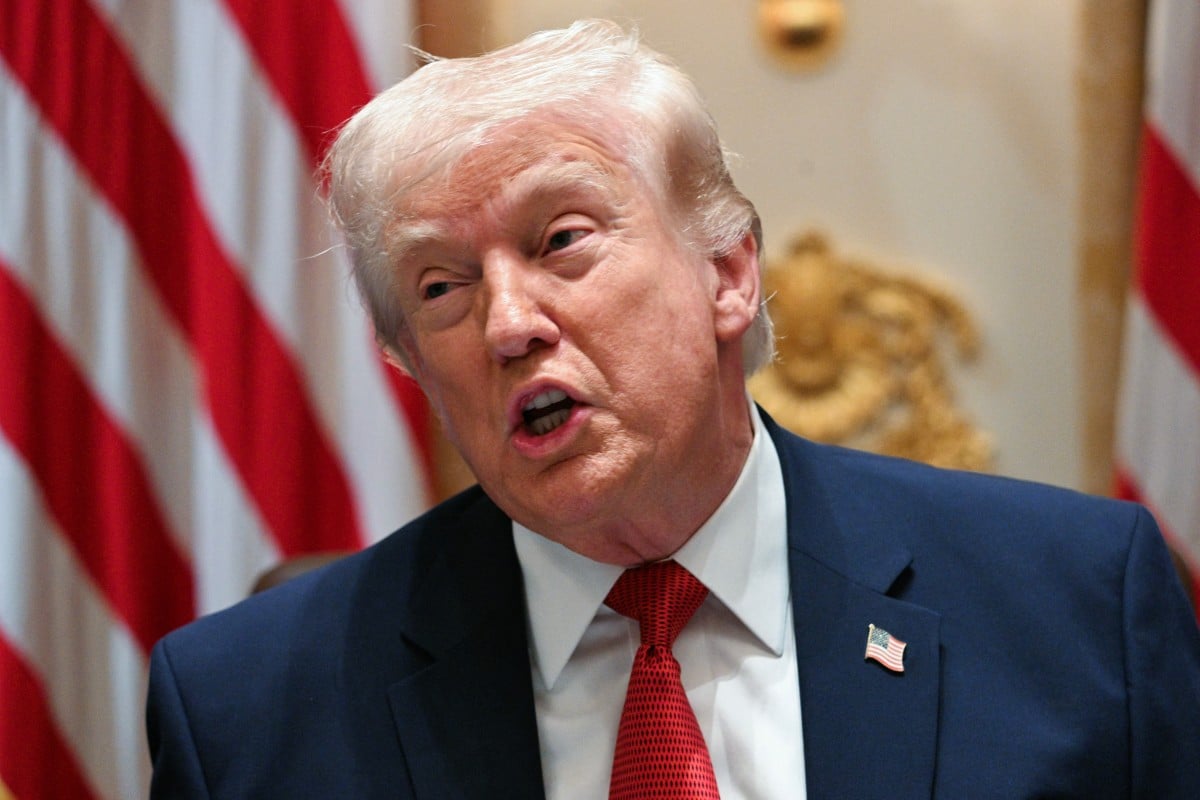
US Congress approves $70 billion project for Trump's migration offensive
CartaCapital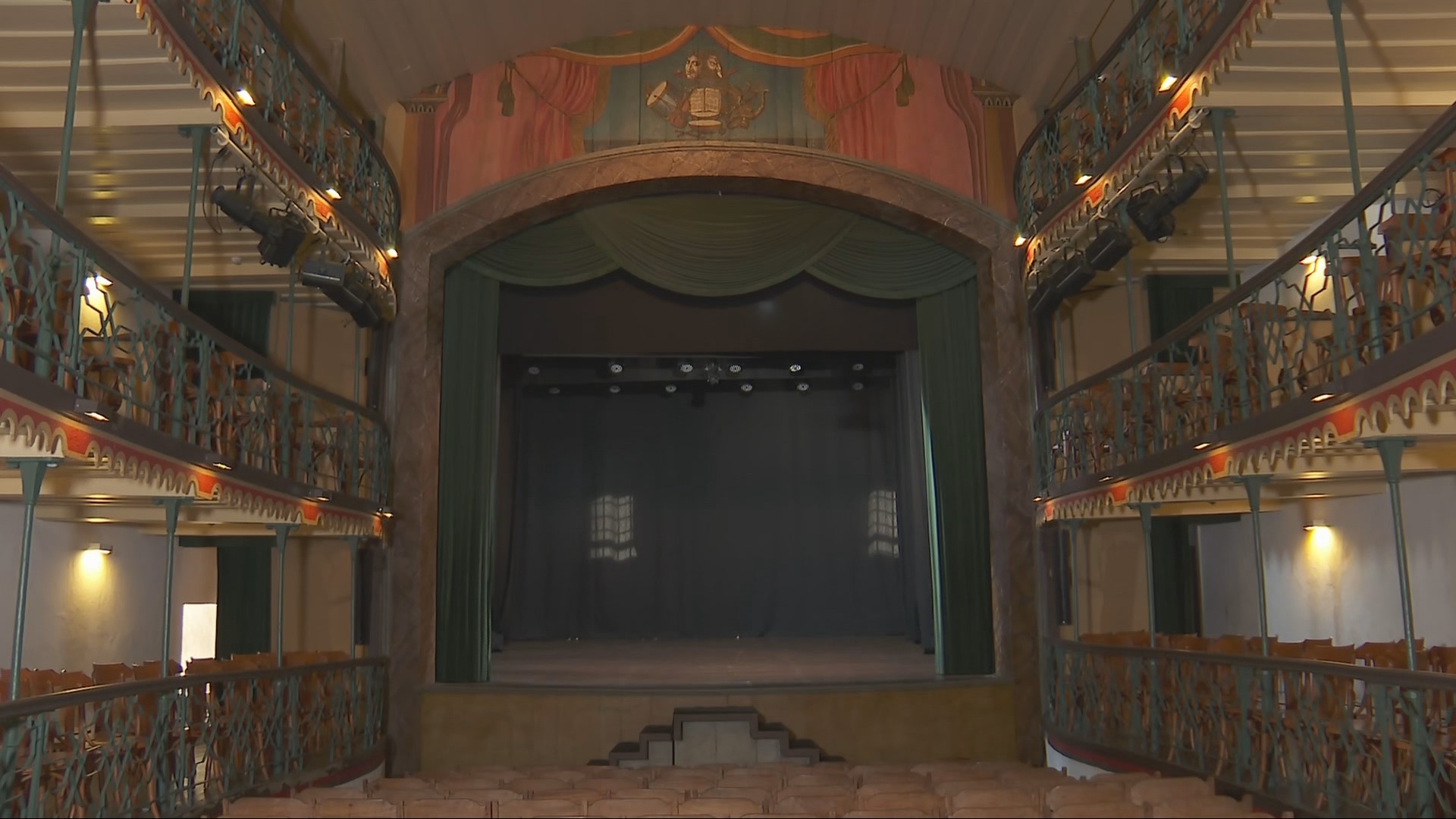
Iphan approves listing of the Municipal Theater of Ouro Preto, the oldest in continuous operation in the Americas
G1 Globo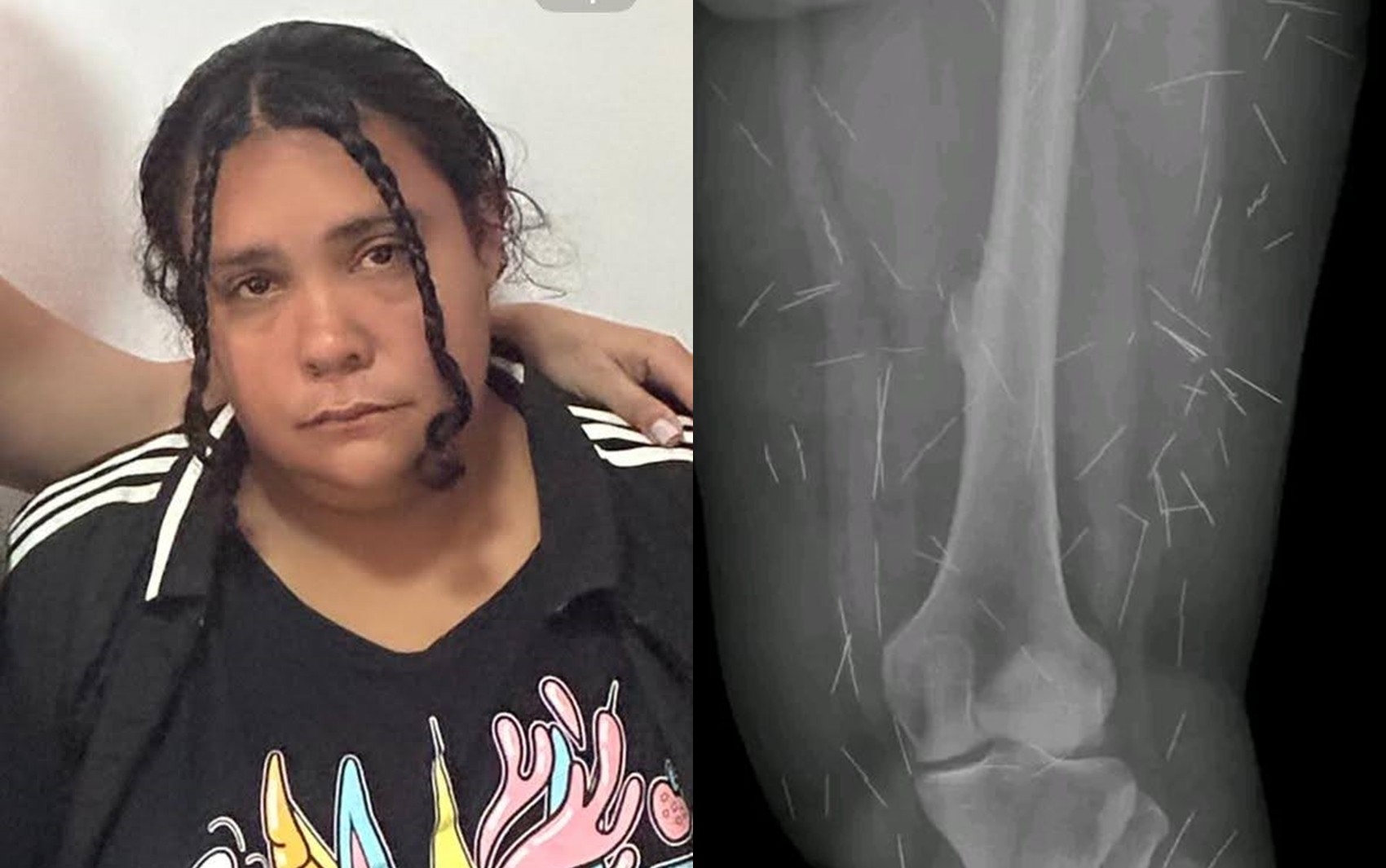
Woman who pretended to be 12 years old in SC to be adopted had been convicted in GO of ideological falsehood after pretending to be an abused child
G1 GloboFull-time school releases students early due to lack of water two weeks ago in Belém, parents report
G1 Globo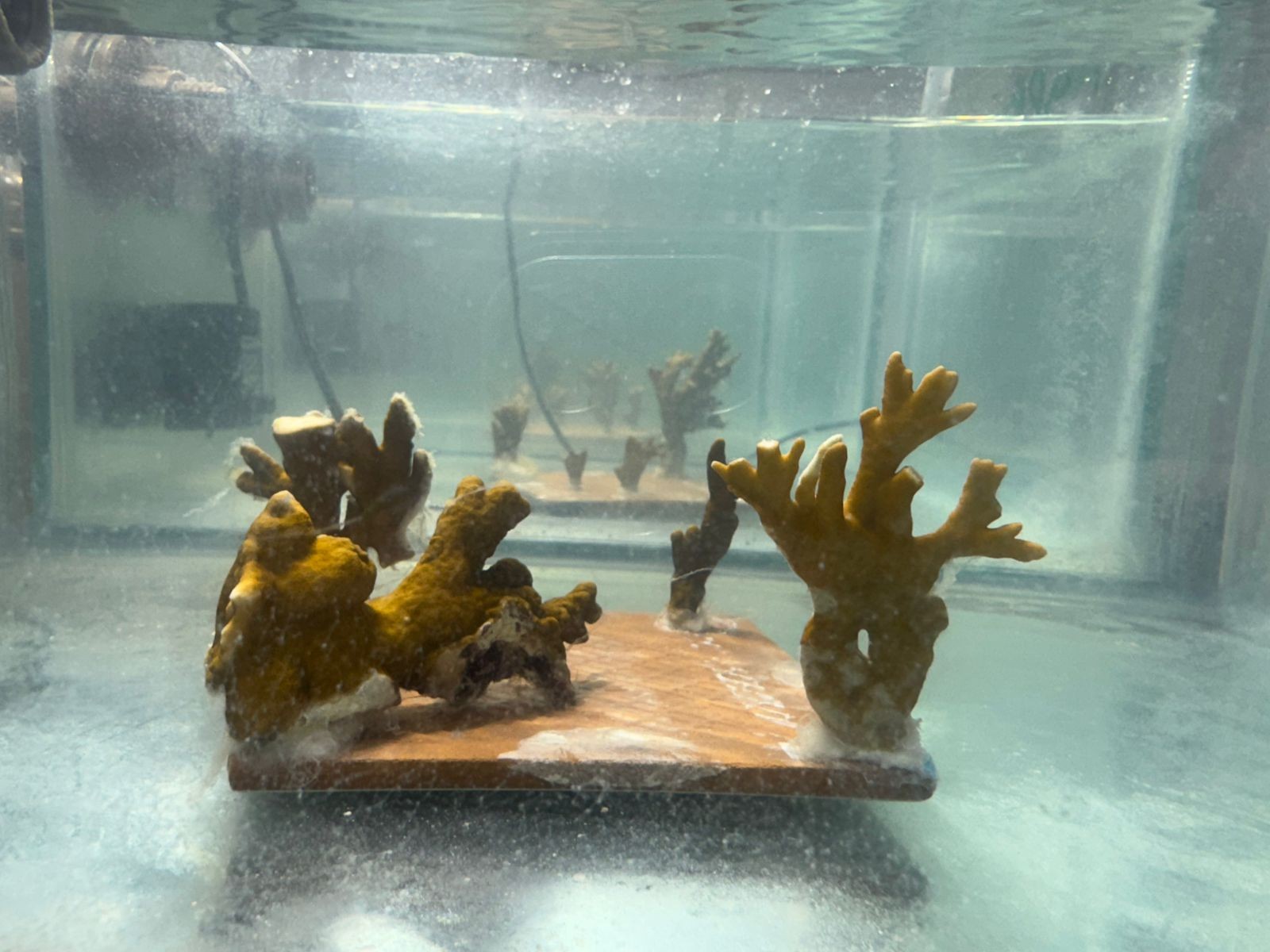
'Coral nursery': scientists test unprecedented experiment to recover reefs affected by the climate crisis
G1 Globo