'China is ready to work with North Korea', says Xi Jinping on visit to Kim Jong-Un
⚡ Quick Summary
Xi Jinping arrives in North Korea for state visit The President of China, Xi Jinping, arrived in North Korea for an official visit to Kim Jong-Un this Monday (8) and defended a greater partnership between the two countries.
Xi Jinping arrives in North Korea for state visit
The President of China, Xi Jinping, arrived in North Korea for an official visit to Kim Jong-Un this Monday (8) and defended a greater partnership between the two countries.
Xi received Trump and Putin in Beijing
Putin and Xi meet in Beijing days after Trump's visit to China
On the surface, Chinese leader Xi Jinping's meetings with US President Donald Trump and Russian President Vladimir Putin appeared quite similar.
They occurred days apart and were celebrated with formal handshakes in Beijing's Tiananmen Square, enthusiastic greetings from children waving flowers and columns of soldiers marching with flashing bayonets. But the visits also revealed how different China's relationship is with the two countries.
✅ Follow the g1 international news channel on WhatsApp
During Trump's visit, China sought to stabilize ties with the United States, while Putin's trip served to deepen its strategic partnership with Russia.
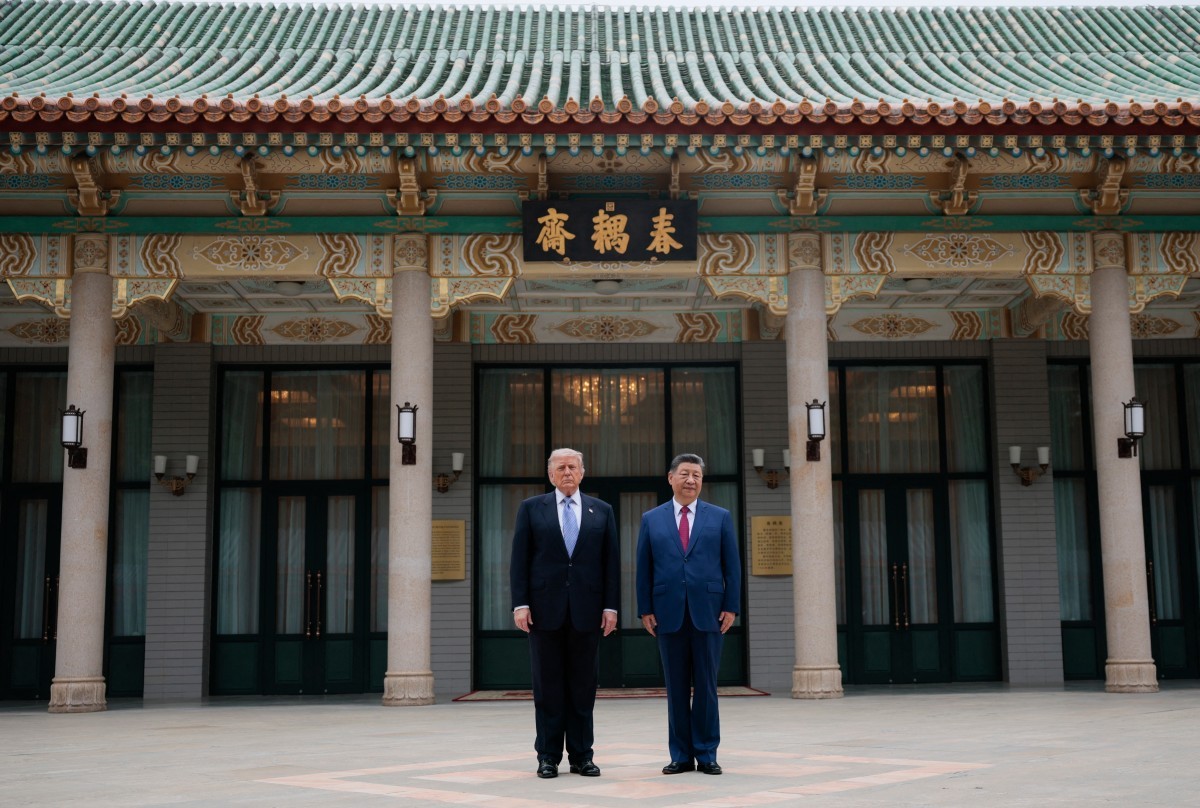
Xi emphasized ceremonial hospitality during Trump's visit, including a rare tour of Zhongnanhai, a former imperial garden that now serves as the headquarters of the Chinese government's top brass.
Beijing understood that Trump valued public displays of respect, said George Chen, partner in the Greater China practice of The Asia Group: "Xi knows that's what Trump values: being treated like a VIP, respected on camera."
U.S. President Donald Trump (left) poses for photos with Chinese President Xi Jinping during a visit to Zhongnanhai Garden in Beijing, May 15, 2026.
Evan Vucci / Pool / AFP
Under Putin, Chen said, Xi began to focus on substance. "Reaffirming the friendship treaty, signing new energy agreements and reinforcing the 'limitless' partnership," he added.
Duration and number of visits
The similarities and contrasts began with the agenda and duration of the visit: the US president stayed in China for three days, while Putin stayed for two days.
Both leaders were welcomed to Tiananmen Square by ceremonial guards, a military band and children waving flags.
Russian President Vladimir Putin and Chinese President Xi Jinping inspect the guard of honor during a welcoming ceremony at the Great Hall of the People in Beijing.
Maxim Shemetov/Pool/Reuters
Both also held closed-door meetings with Xi in the Great Hall of the People, next to the square.
Trump also took a private tour of the Temple of Heaven and walked through the Zhongnanhai Imperial Gardens.
Putin, for his part, spent much of his time with Xi inside the Great Hall of the People, where the two presidents visited a photo exhibition on China-Russia relations and later drank tea.
Last week's trip was Trump's second visit to China as president. For Putin, it was his 25th visit to the country.
Trump ends visit to China without significant agreement to resolve impasses with Xi Jinping
Clear division in messages
The main contrast between the two summits was the message conveyed.
With Trump, Xi focused on the need to maintain a relatively stable relationship after months of tensions and a trade war between the world's two largest economies. He urged the US president to view China as a partner rather than a rival, and both leaders agreed to work towards what they described as “a constructive China-US relationship of strategic stability”.
Donald Trump and Xi Jinping meet in Beijing for historic meeting
With Putin, Xi sought to reinforce and deepen a long-standing partnership, important both strategically and economically for both countries.
Although the US and China are still trying to stabilize their trade relations, Moscow and Beijing have reaffirmed their relationship as essential partners. Putin stated that the “driving force” of the relationship was the energy sector, particularly oil and gas. Xi signed agreements with only one of the presidents
China and Russia have signed more than 40 cooperation agreements, covering areas such as trade, technology and media exchanges. The two leaders also signed a joint statement describing Russia and China as "important centers of power in a multipolar world."
Trump and Xi, on the other hand, did not sign a joint declaration or publicly oversee the signing of any agreements during the visit.
It was only after the American president's departure from Beijing that the two countries announced the details of several agreements, with Washington saying China had agreed to buy American agricultural products at an annualized rate of $17 billion and acquire 200 Boeing jets.
"China and Russia have signed more agreements, and with China and the US, what are the agreements? Even that is not very clear," said Claus Soong, an analyst at the Mercator Institute for China Studies in Berlin.
But Lyle Morris, senior fellow on Chinese national security and foreign policy at the Asia Society Policy Institute's China Analysis Center, said the biggest surprise from the meetings between Xi and Putin was the apparent absence of a formal agreement on the Siberian Force 2 pipeline project, which could transport gas from Russia to China through Mongolia.
“This is a huge setback for Russia and for Putin,” he said.
Putin and Trump have different positions on Taiwan
Moscow is aligned with Beijing on the issue of Taiwan, the democratic island that China claims as its own. Meanwhile, the US maintains an intentionally ambiguous stance towards the island and acts as its main informal supporter and arms supplier.
Xi made it clear to Trump that Taiwan is the most important issue in the bilateral relationship and warned that mismanagement of US relations with the self-ruled island could lead to a confrontation between the two countries.
Trump did not mention Taiwan publicly during the visit. But upon his return to the United States, he described arms sales to Taiwan as a “great bargaining chip” with China, comments that generated anxiety on the island.
With Putin, there was no sign of disagreement on the issue.
In the joint statement signed by Xi and Putin, Russia reiterated its opposition to Taiwan's independence "in any form" and expressed support for what it described as China's efforts to defend its sovereignty and achieve "national unification."
According to China's Foreign Ministry, both sides also expressed concern about what they called the "accelerated remilitarization" of Japan, in a context of tense Sino-Japanese relations over Taiwan.
🗞️ 4 sources covered this story
Why Xi Jinping visits North Korea — and what's at stake in the dispute with Russia
BBC Brasil
Teixeira approves Neymar's return and says the star is ready for the World Cup
CNN Brasil
Trump says Netanyahu “doesn’t call the shots” and will have to accept a deal with Iran
CNN BrasilTrump says Netanyahu "doesn't call the shots" and will have to accept deal with Iran
CNN Brasil📰 Related Articles

Hot baths and free meals: assistance for homeless people is expanded with the arrival of cold weather in Divinópolis
G1 Globo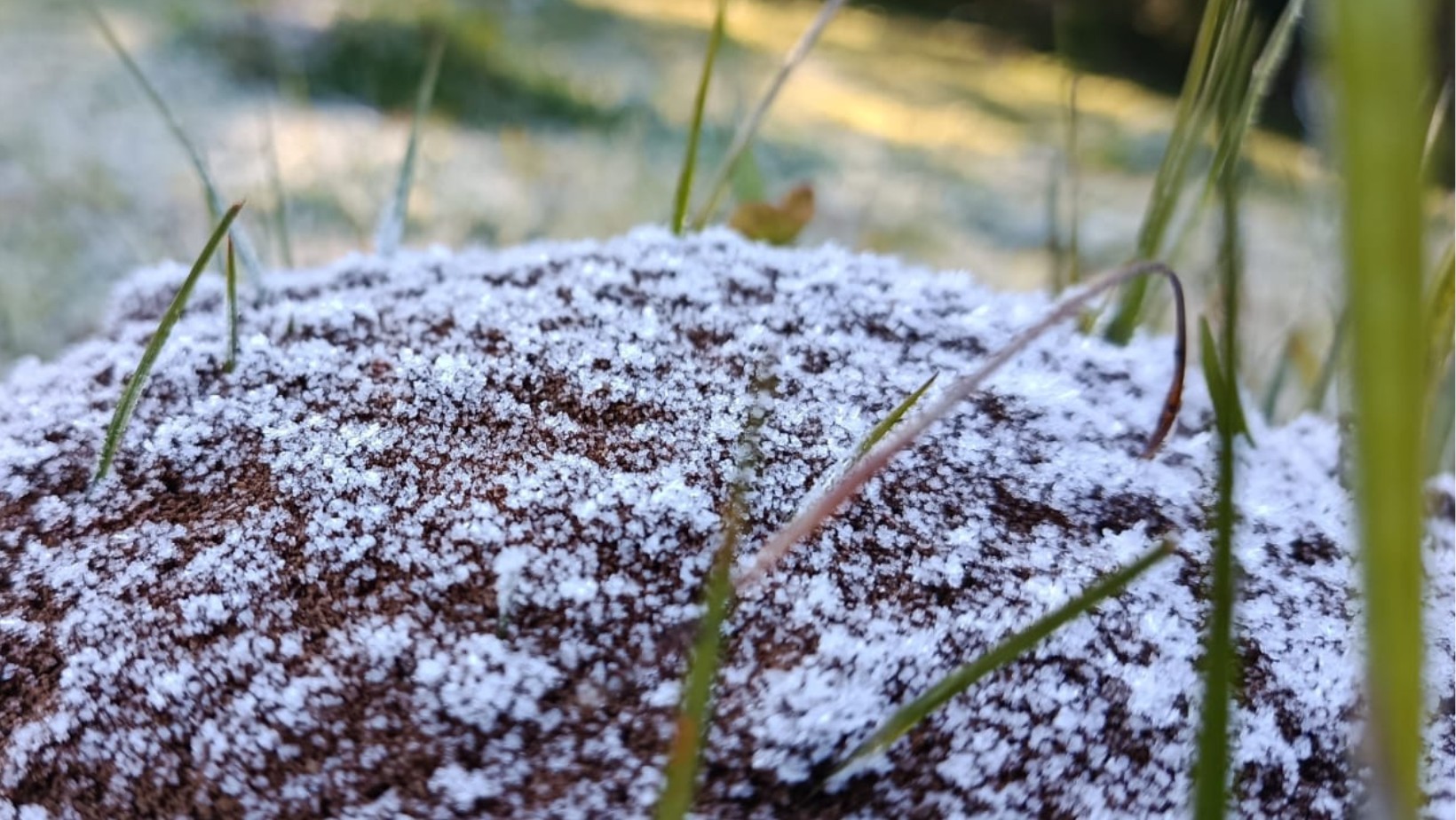
Campos do Jordão records new frost after a sequence of intense cold in Serra da Mantiqueira
G1 Globo
VIDEO: new images show a tourist who jumped into Iguaçu Falls to get a cell phone at the edge of the falls
G1 Globo
Drunk motorcyclist is arrested for riding the wrong way in PI with an alcohol level three times above the limit
G1 GloboVII Technical Philosophy Colloquium debates the impacts of Artificial Intelligence between June 22nd and 24th
UFPI